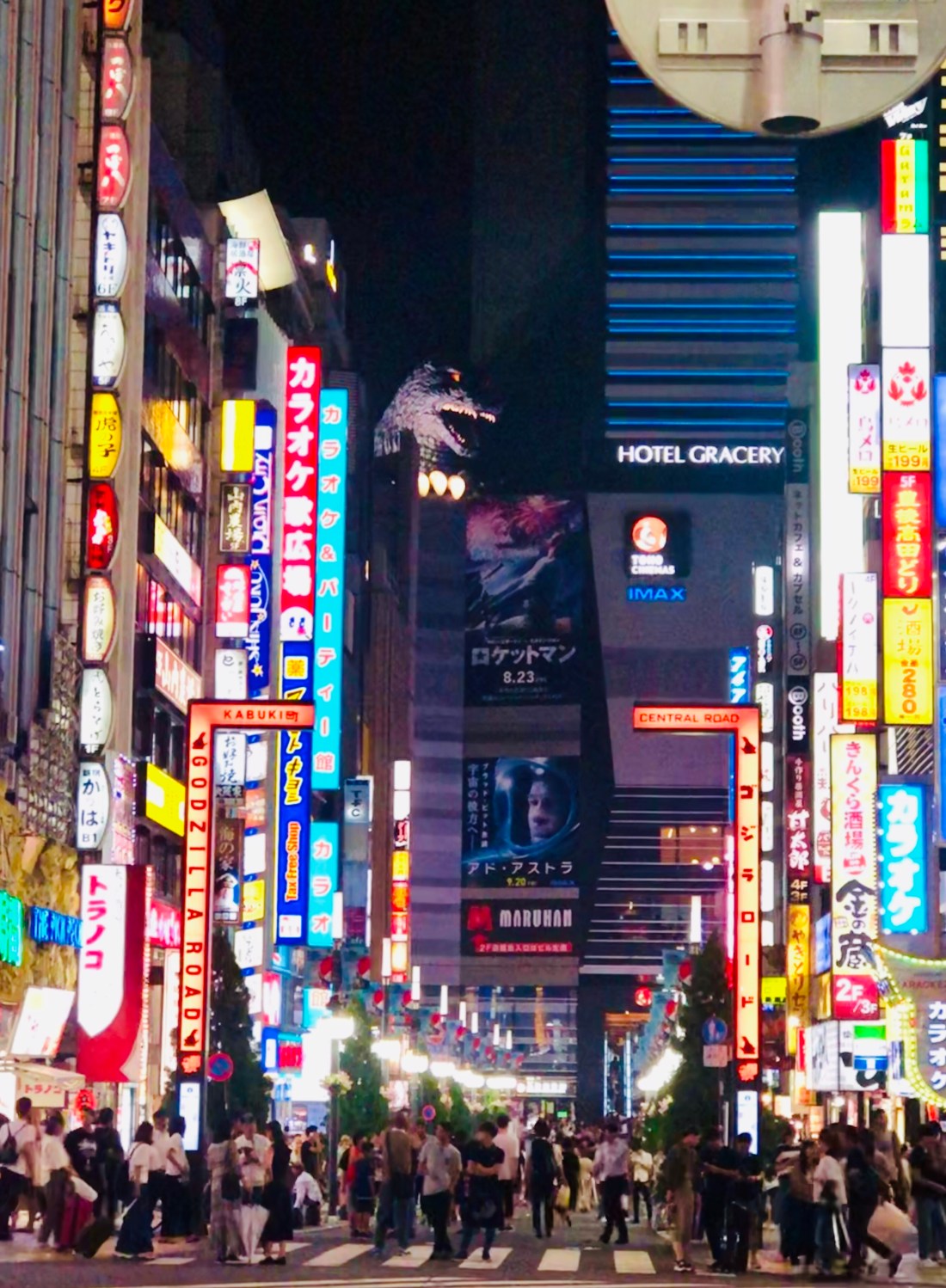
Bright neon lights, organised chaos and a city that never sleeps. I’m not talking about the obvious American Sister, I’m talking about its Asian Big Brother: Tokyo.
Tokyo is fittingly like a game on an old Nintendo console; every neighbourhood like a new level with a unique theme; some harder to complete than others. (There is even a go kart-feature in some of them!) Luckily you’ve got Metro-underscoring with high-pitched jingles playing every time you get on a train. Check point. It means you don’t have to go back to start – aka your hotel. Although, after the following itinerary my power levels were low more than once.
Thank Goodness Tokyo has so many forms of energy inputs to power up; be it the whole spectacle of this incredible city, or, the more obvious, its incredible wealth and variety of world-class food.
Our Tokyo-journey is not for the faint hearted; you will walk about 80 kilometres in 5 days and eat your body weight in food, but I can guarantee you a great sleep on the long flight home!
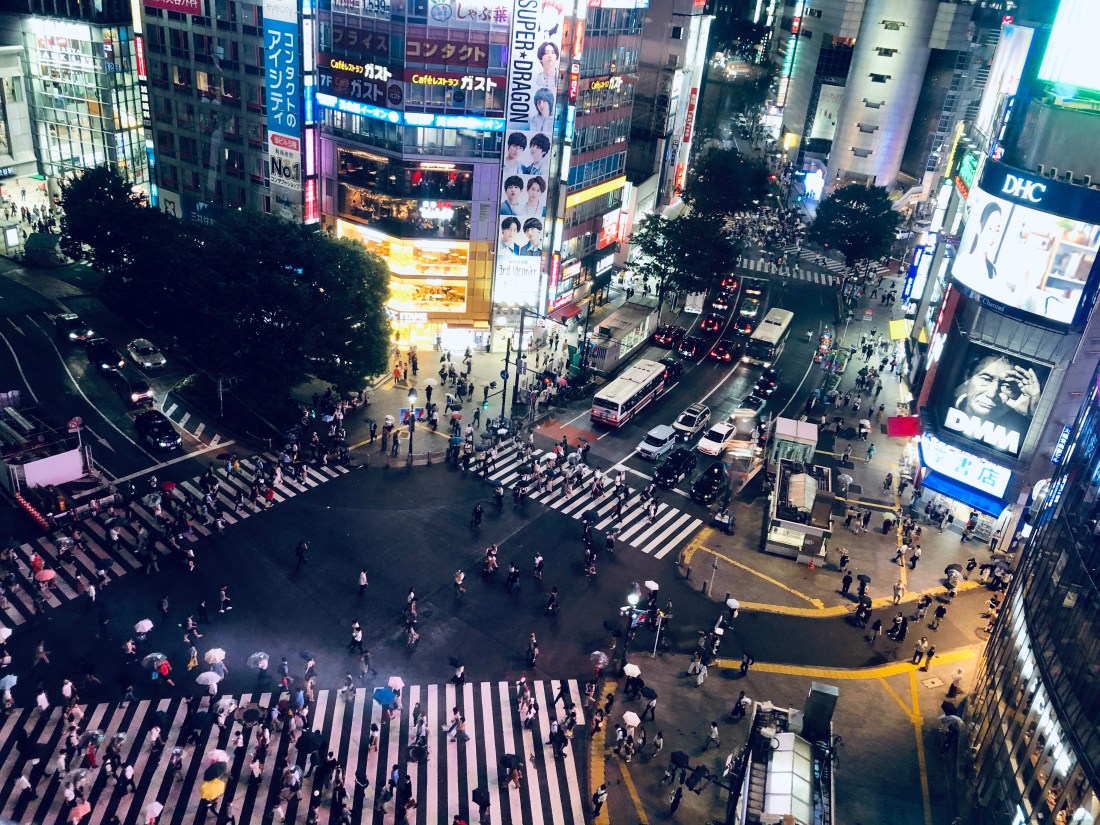
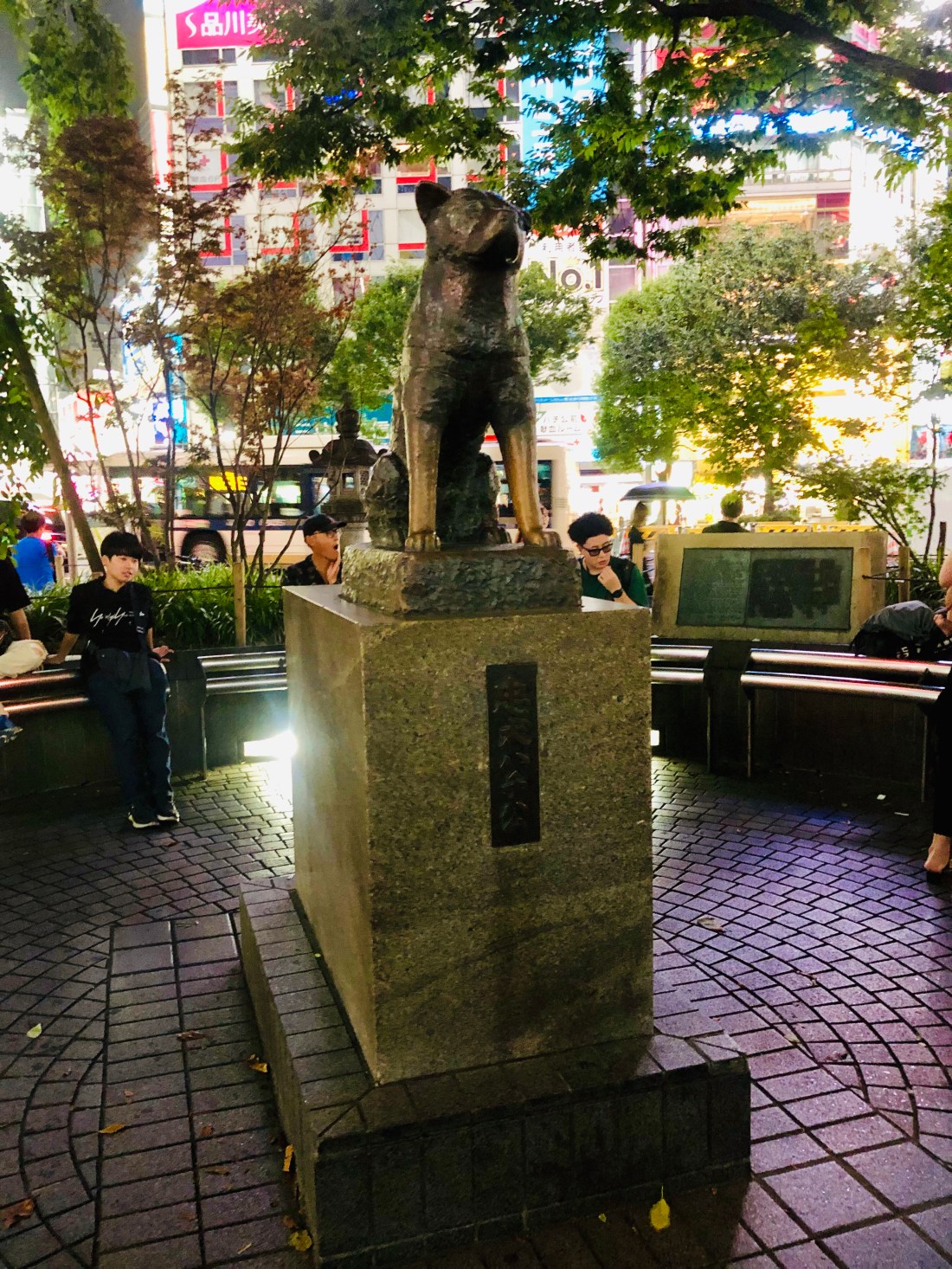
Tuesday. It’s our first night in Tokyo. We just spent the day in Enoshima – but I will cover that in a separate post. We’re starting at Level 1 whilst still learning the Tokyo-moves. Just – it turns out we’re really not. This game is not for beginners. Our first mission is in Shibuya at one of the busiest pedestrian crossings in the world; The Shibuya Crossing. We visited just after rush hour as it was getting dark – which makes for great pictures as the neon lights from the buildings light up the crossing. Apparently the busiest times are Friday and Saturday nights when everyone is on their way to the clubs. Take the exit towards Hachiko out of Shinjuku station. Hachiko is the statue of the dog that loyally came to the station every day to meet his owner for 10 years after his death in 1925. To remember Hachiko, a statue was erected in his honour. Snap a few pictures, and follow the crowd towards the crossing. When the lights turn green, choose one of five directions and GO! There are great views of the crossing from the 7th floor rooftop at Meg’s Department Store. Entry to the viewing platform is ¥300 (about £3) – but it’s worth it. We were lucky to see the crossing birds eyed view in the rain, when all the colourful umbrellas decorate it further.
The food court on the 6th floor of Meg’s is pretty cool, but we headed straight for one of Tokyo’s hidden “Yokocho’s” – so called mini-bar streets – with plenty of local “izakayas” (Japanese pubs) the size of closets. (Literally!) Nonbei Yokocho has been a local establishment for over 70 years, and is home to 38 izakayas. It came to life as the government wanted to fill the narrow plot of land next to the railway tracks where the Yurakucho line races past, and it is a common spot for workers to have a drink or two after work.
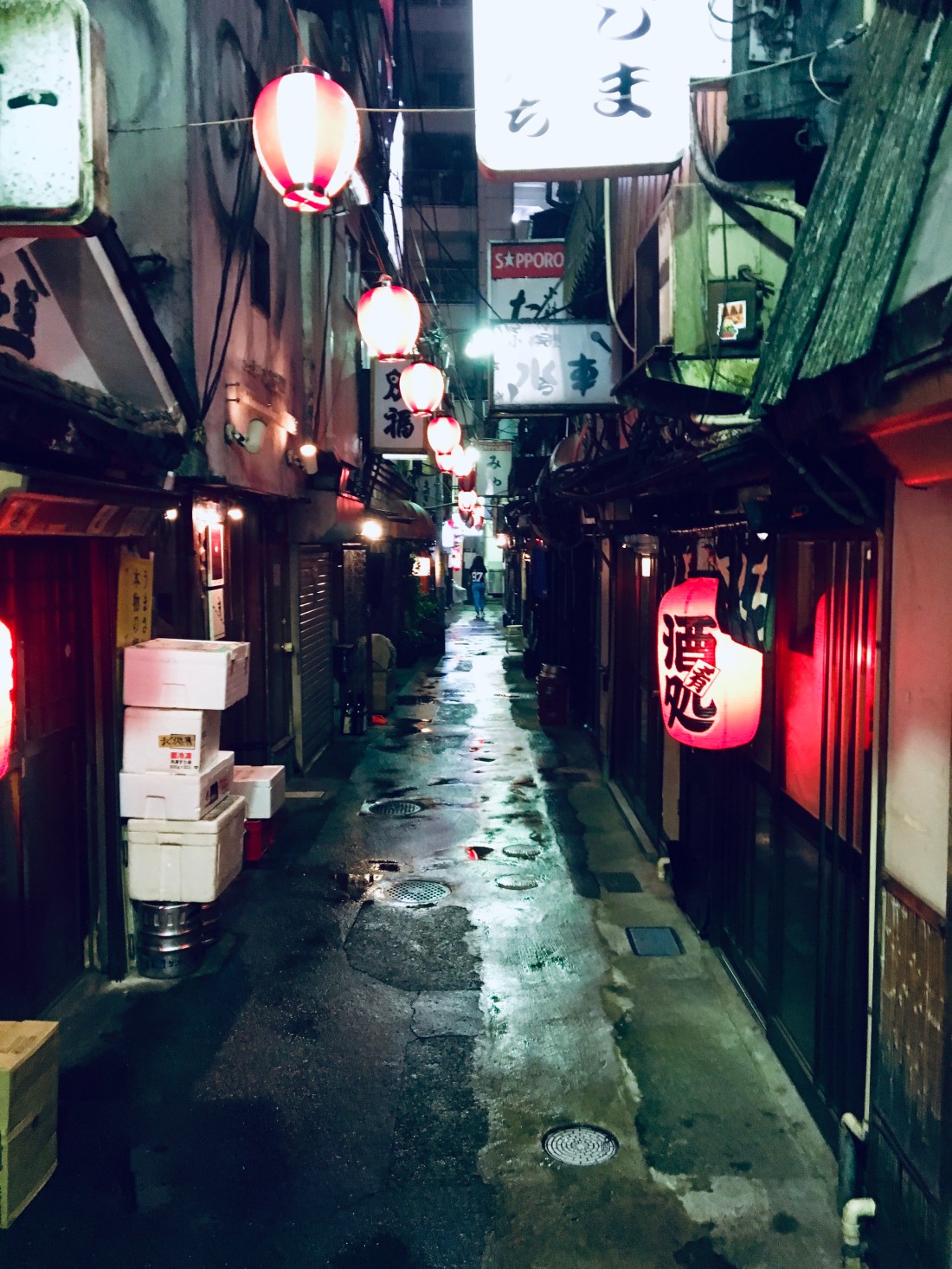
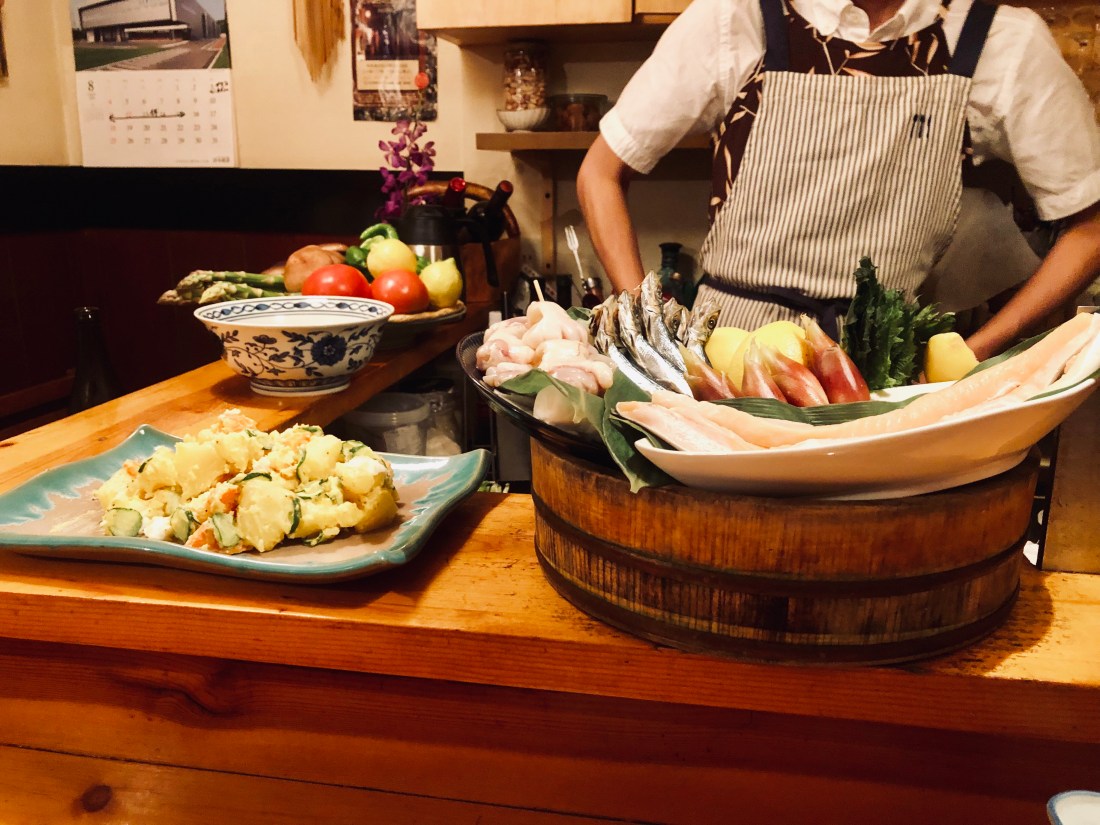
Nonbei Yokocho is only 2 minutes walk from the Shibuya Crossing. As soon as you see a bar you like, knock on the door or slide it open and ask if they have space. Be aware that a lot of the bar owners don’t speak English, and might turn you away if you’re a foreigner, so keep a little glossary and be prepared to try out a little Japanese. Make sure you have cash handy – most of these places don’t accept cards.
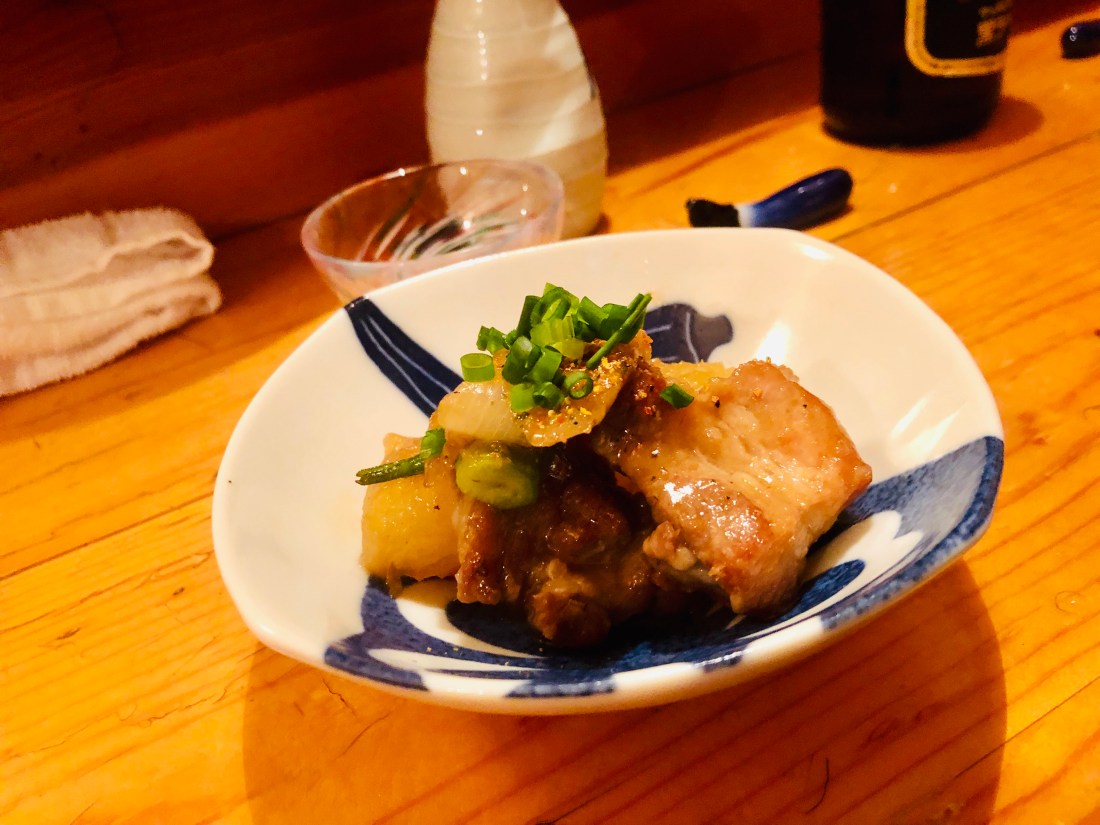
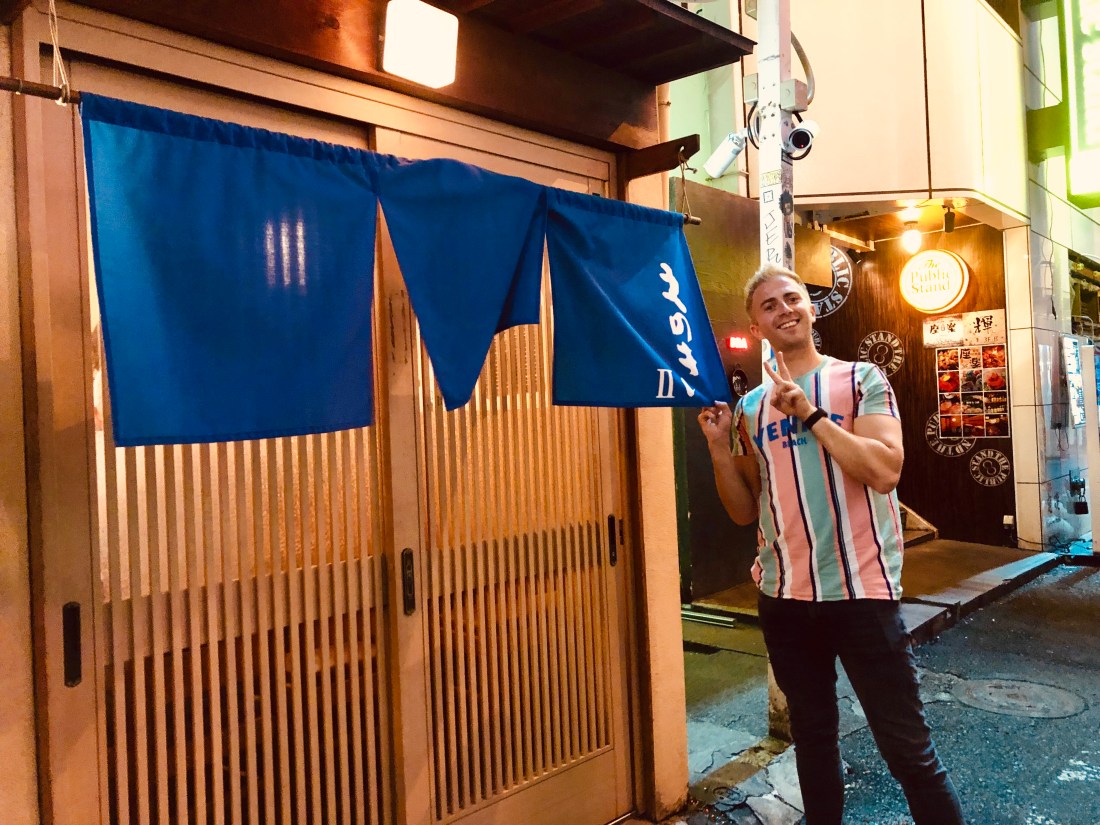
We loved Enoki 2 where we met a lovely Japanese man with excellent English. Most places won’t have a menu – and certainly not in English, so if you’d like to eat, try saying omakase. This means they can make you anything they want, and you’ll get a variety of small dishes. The roasted teriyaki pork we got here was a favourite. Combine it with some sake.
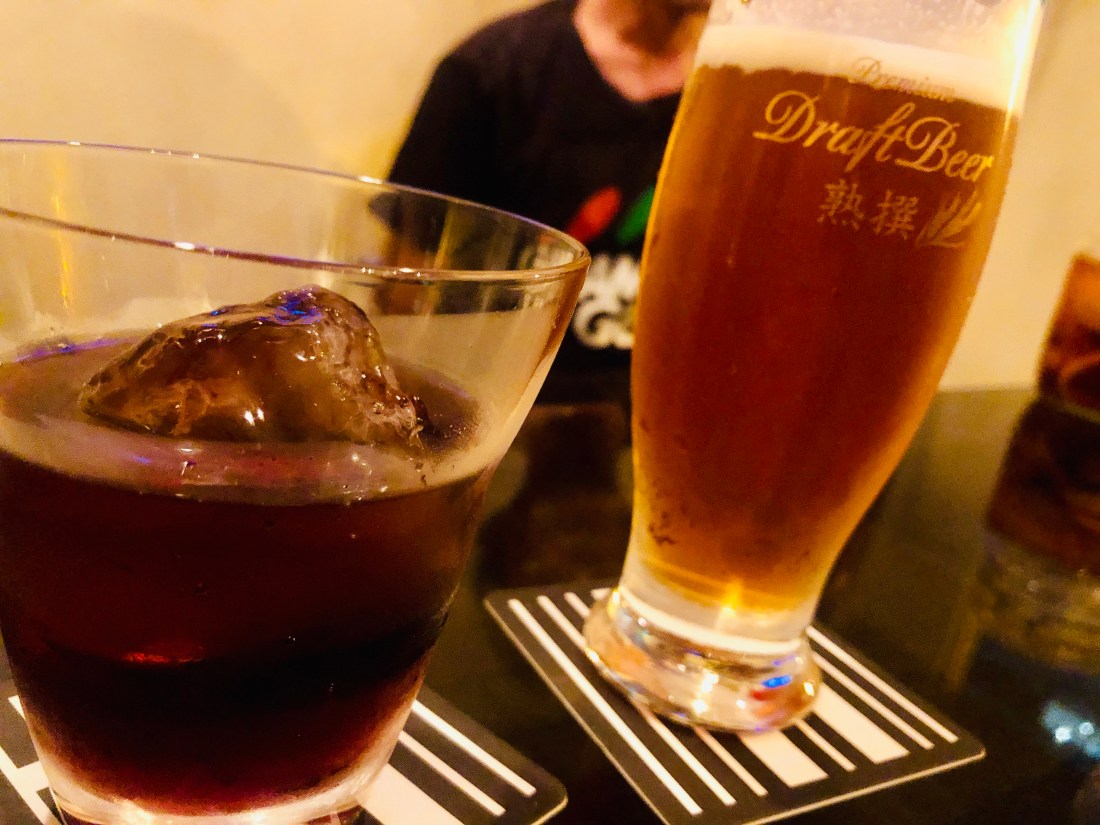
Tight Bar is another great spot. On the first floor up a narrow staircase, even equipped with a little chandelier! The owner speaks good English and they do the most amazing Asahi Pale Ale on draft! Try some Japanese plum wine or the Nikka Coffey Gin, too.
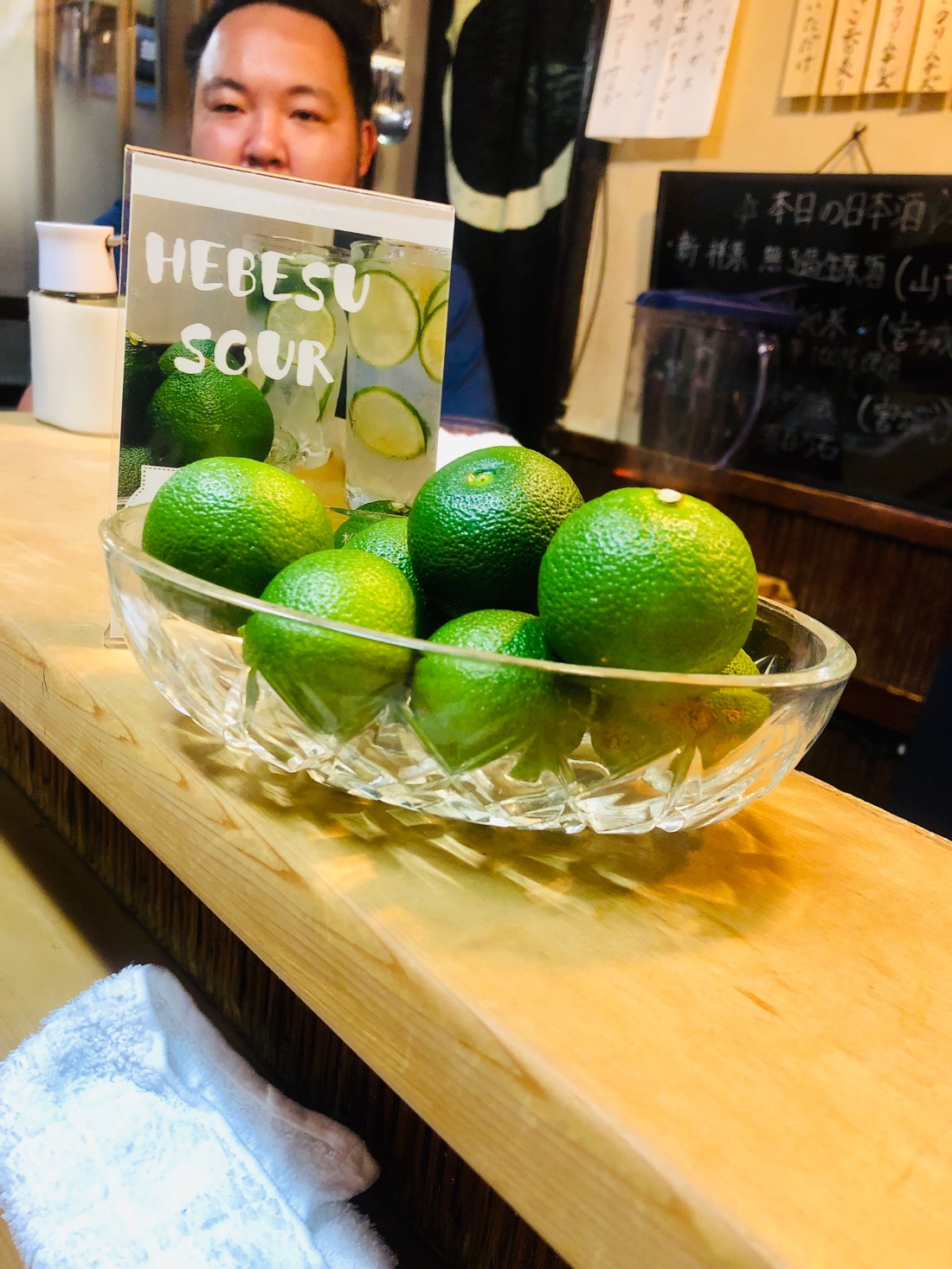
On the corner of the two alley ways, near the entrance, is a bar behind a yellow door. It does say not for tourists, but we popped into another friendly bar to have a Japanese Hebesu Sour (similar to lime) and was led to this local hang-out when it closed. Full of locals, and many people we had met earlier in the night, it was clearly the late-night spot to be. Not managing to convince the locals to join us for karaoke, we ran to catch the last metro home. Make sure you check your travel, as the last trains are usually between midnight and 12.30, night buses are very limited and taxis are expensive.
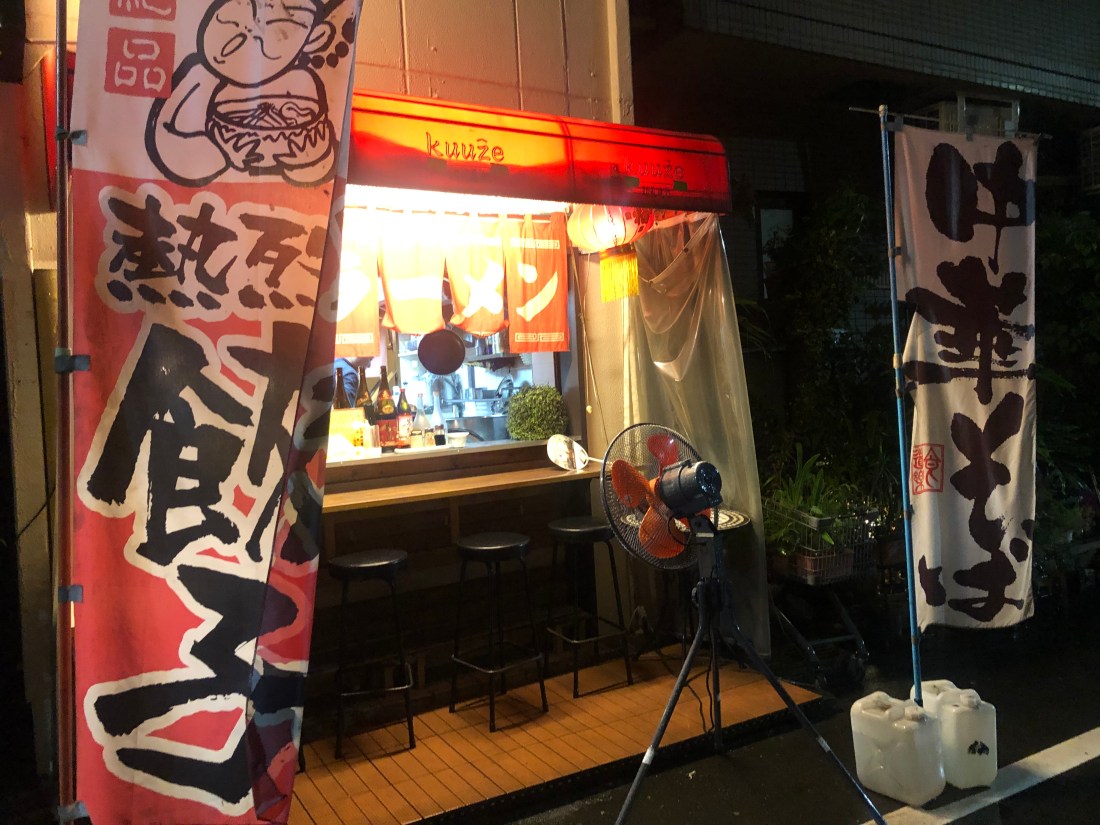
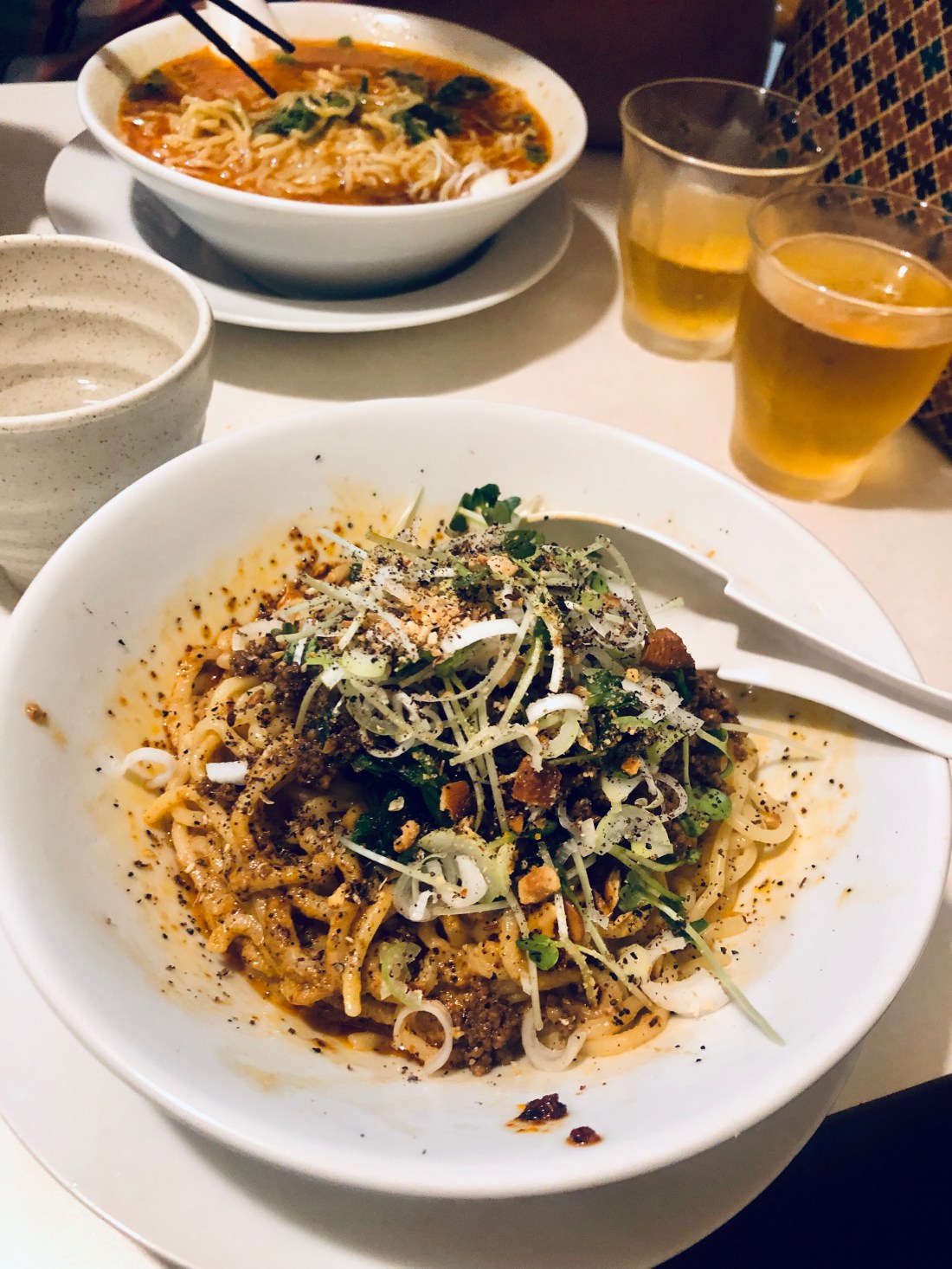
If you’re still awake; have some late night ramen. Ramen is technically a Chinese dish, but Japan has adopted it and it has become an important part of Japanese food culture. Kazuu, near Sudugame metro, was one of our favourites and we visited twice for their spicy bowls – but there are thousands of them around the city, so find your favourite near where you’re staying.
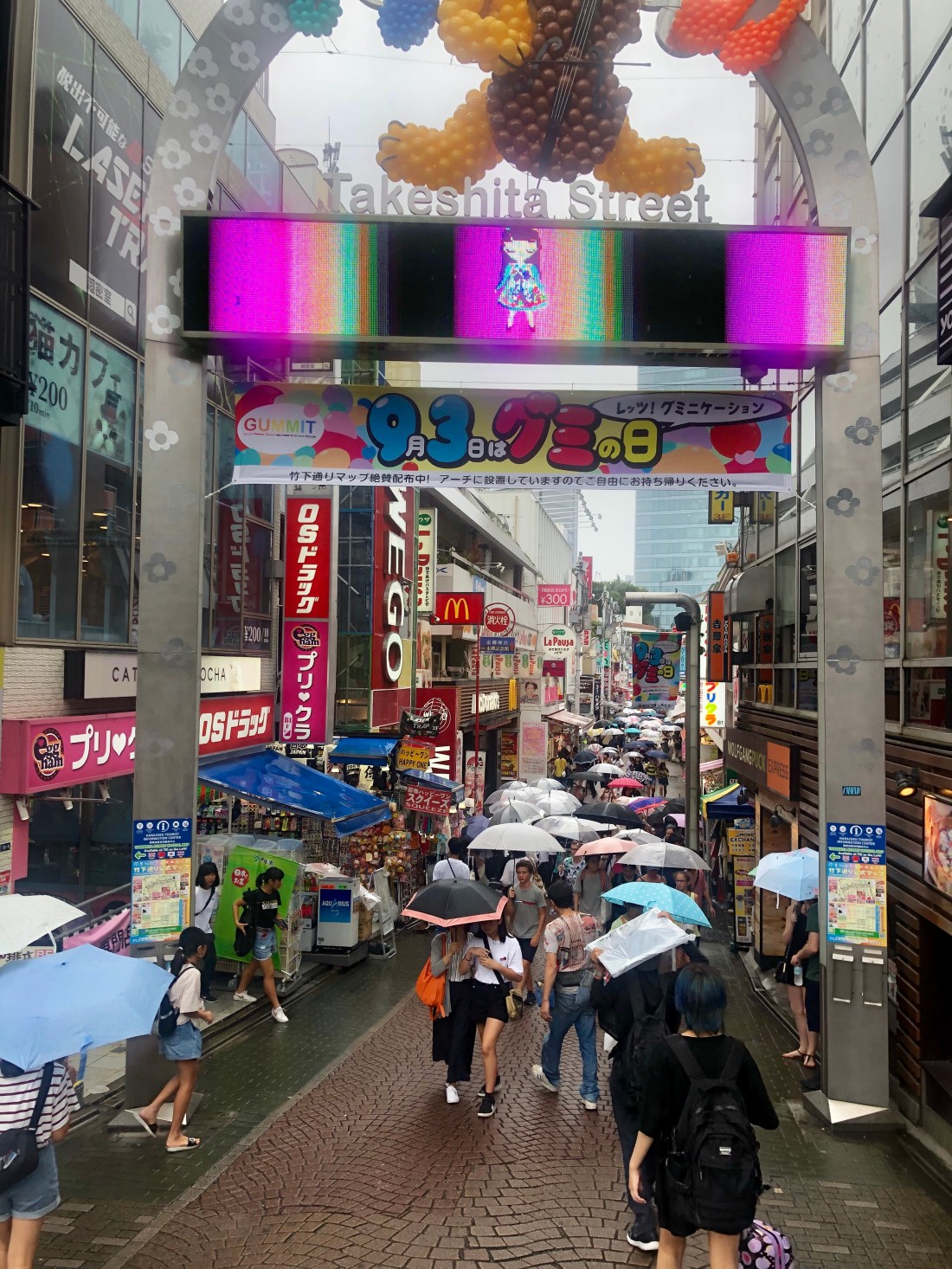
Wednesday. It’s time for Level 2. The anime level. The one with all the colours. It’s Harajuku time. Harajuku is a prime-shopping area and an eternal toy shop for teenagers and adults alike. You can find snacks in all sorts of colours; Japanese crépes, non-melting ice cream and rainbow-cotton candy.
Takeshita Street is a lot of fun. Make sure you try the photo booths that automatically edit you into an anime character. It’s extremely popular with Japanese teenagers.
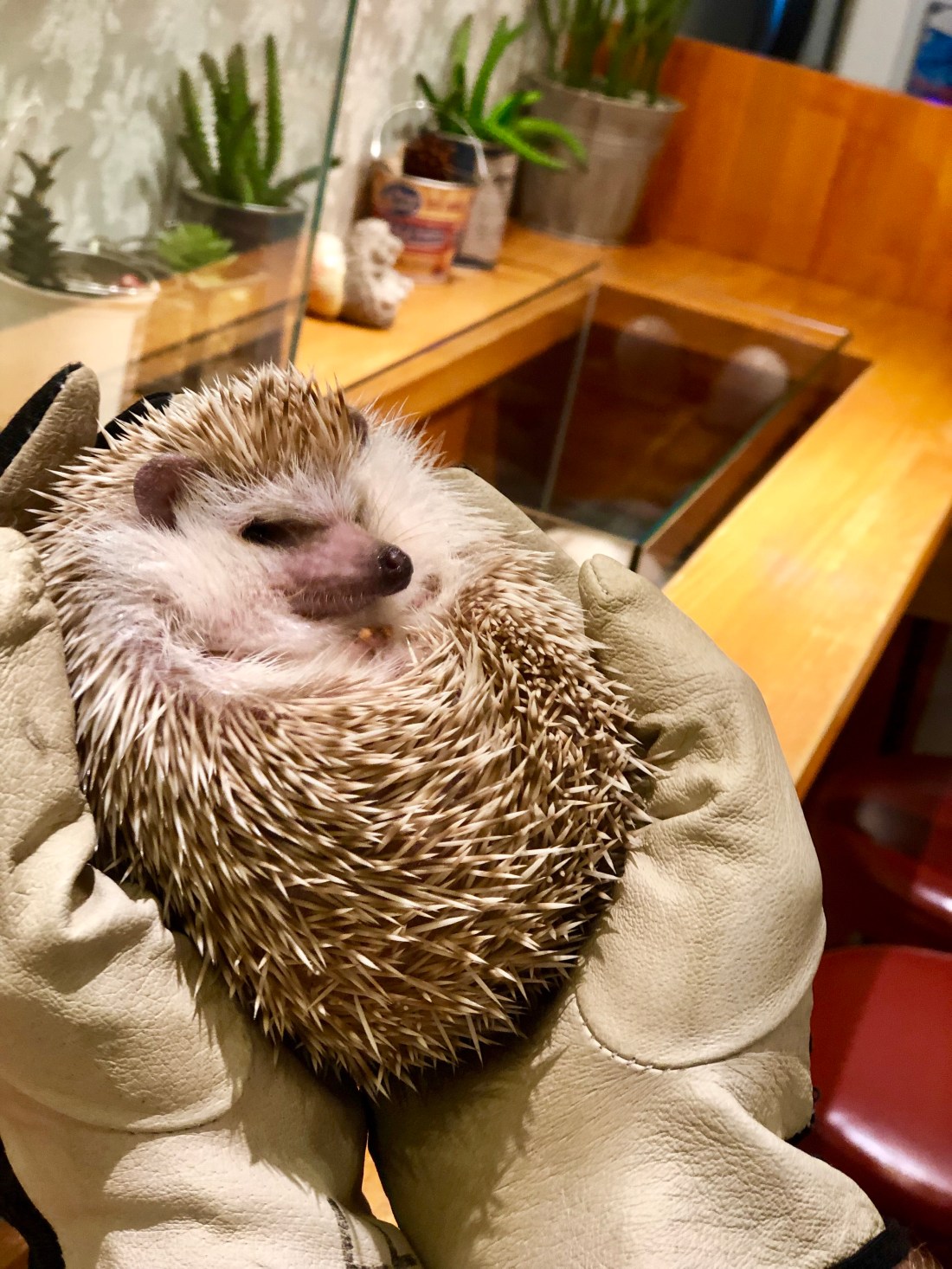
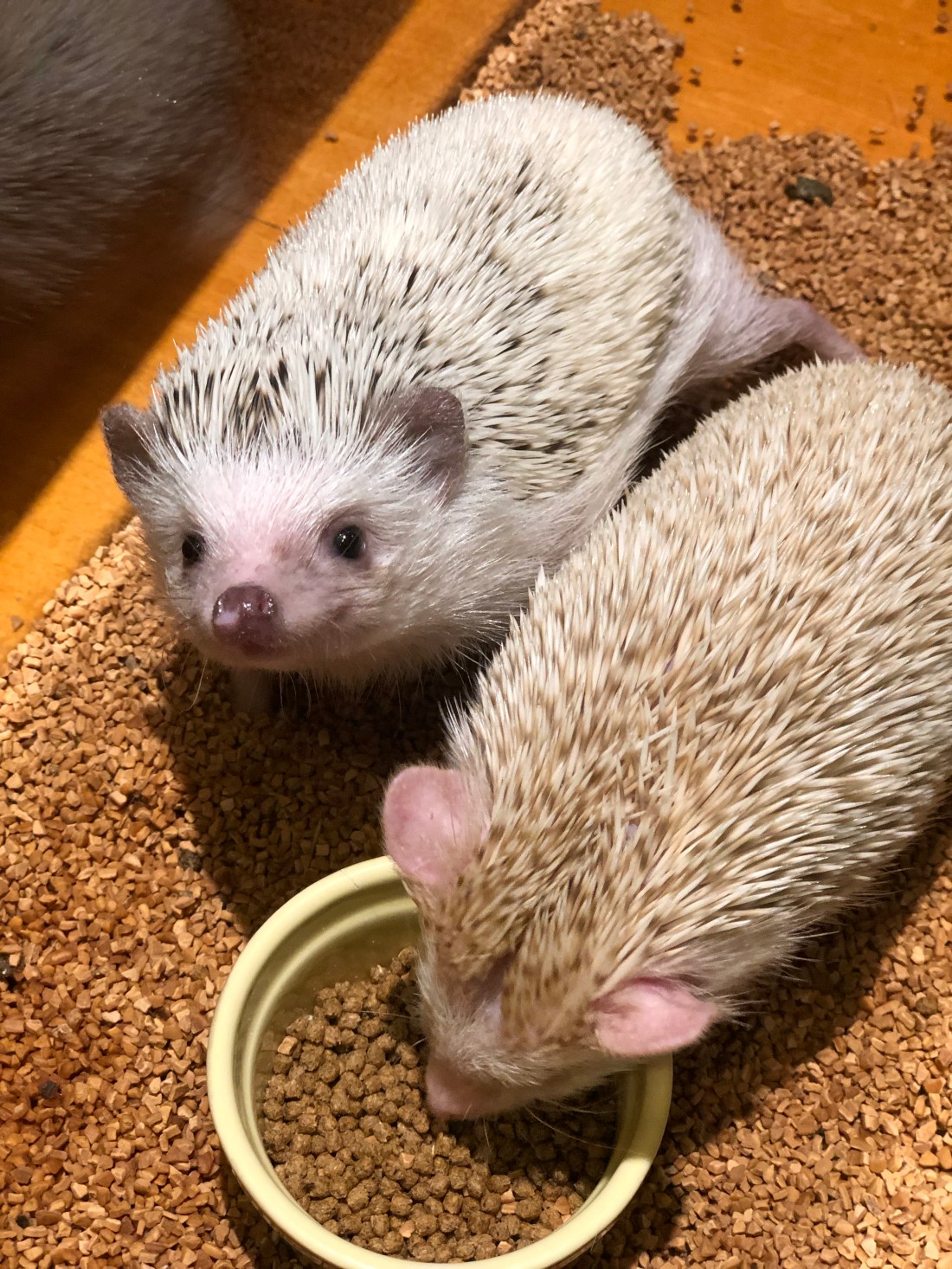
There are plenty of animal cafés in Harajuku where you can meet puppies, kittens, otters, owls or hedgehogs. We went to to Harry’s Hedgehog Café. I was positively surprised by how they treated the animals, giving them designated break times, with no-go play areas. You pay for 30 minutes or a an hour, with or without snacks for the hedgehogs, and sit down next to one of the little open cages where you can feed and pet them. They are very cute! Drinks are from a vending machine and nothing special (Japan has vending machines absolutely everywhere!) – you go here to meet the animals.
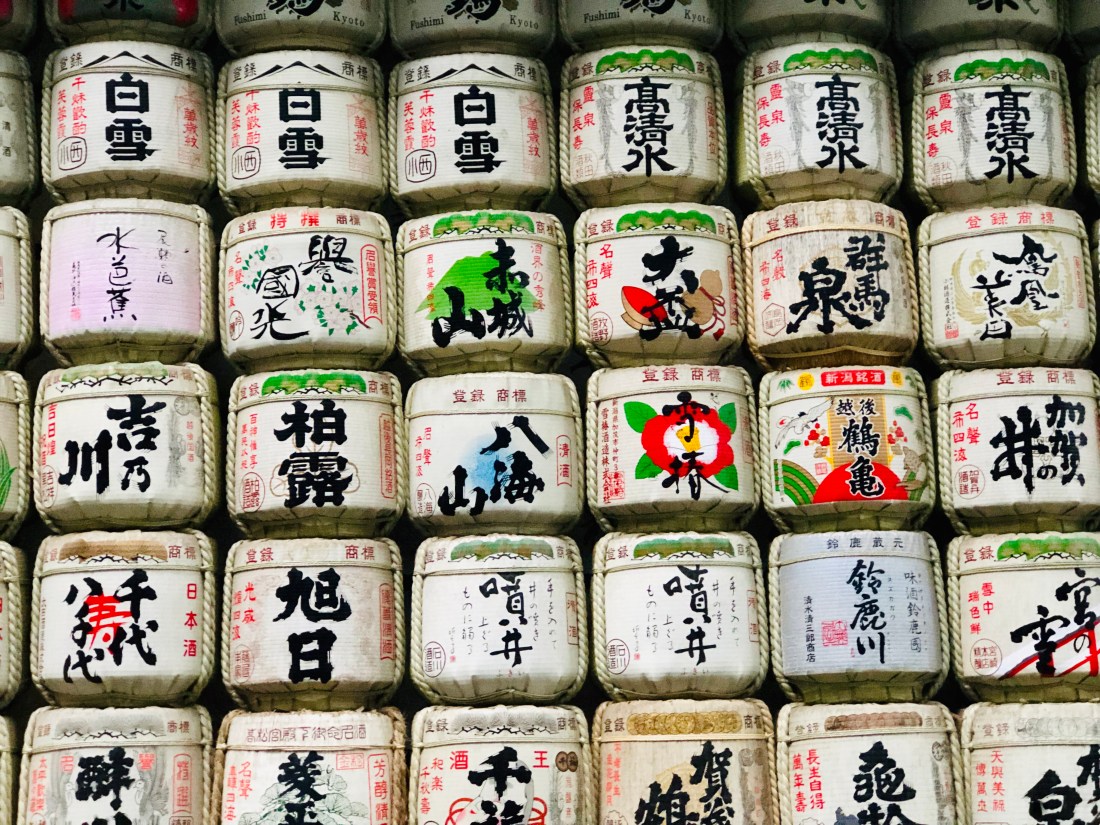
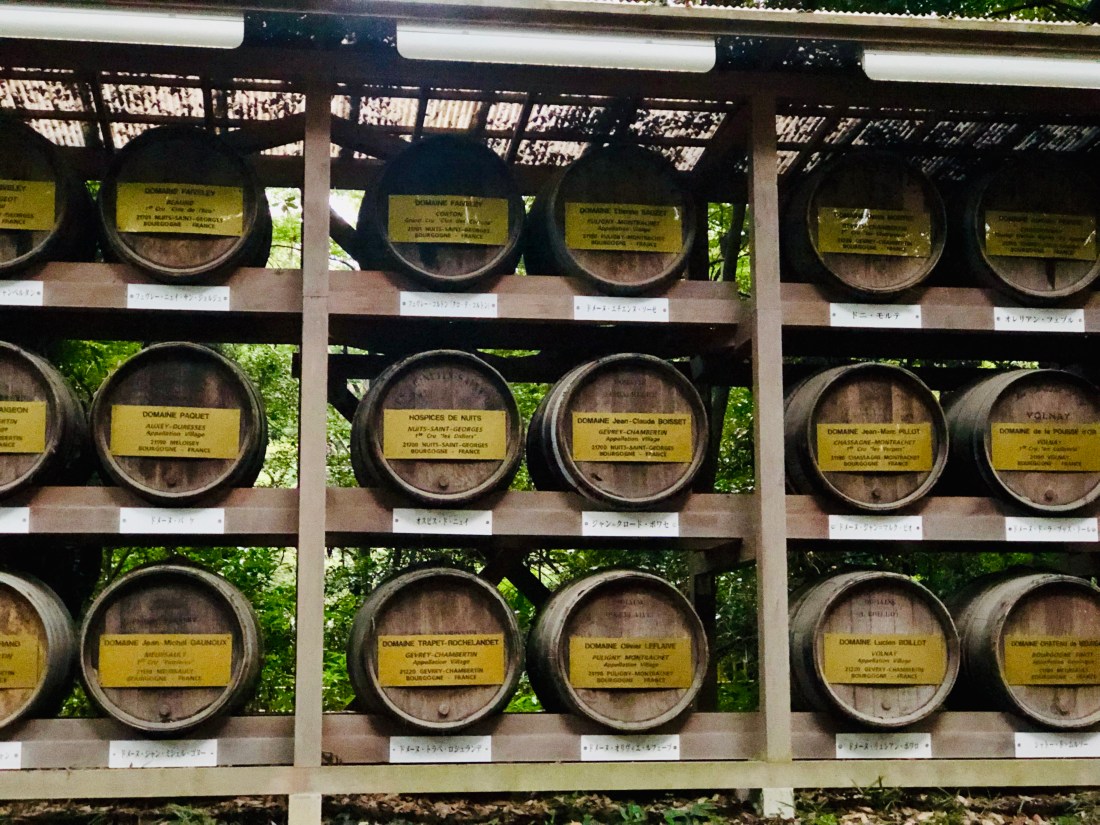
When you’ve had enough of the little stingy balls, make your way towards Yoyogi Park. It has tall trees almost covering the sky above and some beautiful Japanese bridges over small ponds. There are also installations of hundreds of decorated sake barrels as well as wine barrels being stored there to mature. Yoyogi is a large park, so you could spend hours here, but we used it for a stroll towards Shinjuku – our next stop. Level up and fasten your seatbelts. This is about to get crazy.
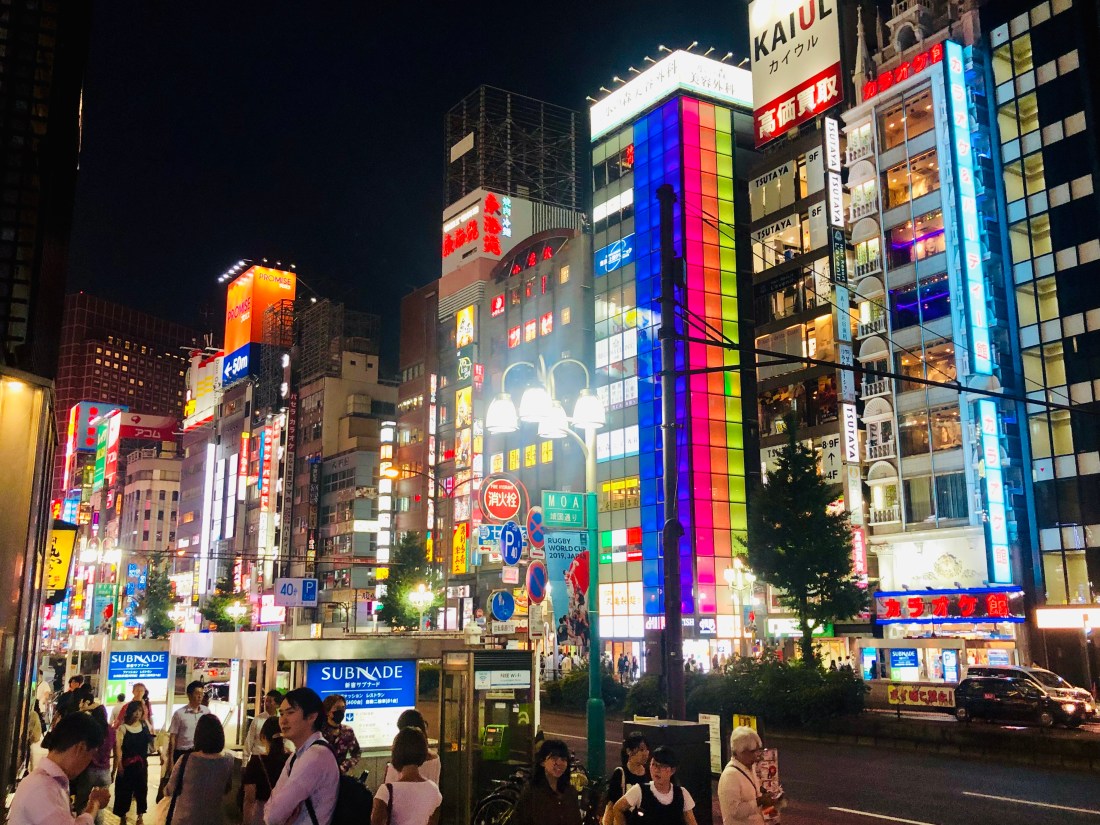
Shinjuku is hectic, bright, loud and completely non-stop. There are big neon signs everywhere and hords of people rushing in and out of shops, restaurants and bars. This is also where you can find the famous Robot Show – which apparently comes highly recommended – but I haven’t tried it myself.
Shinjuku Koko-Ku (the Northern part of Shinjuku) is the red light district of Tokyo, and it’s worth a stroll for the neon lights or a visit to The Samurai Museum – but be cautious of the bars in this area and stay away from anywhere with a hostess outside – these places could try to scam you.
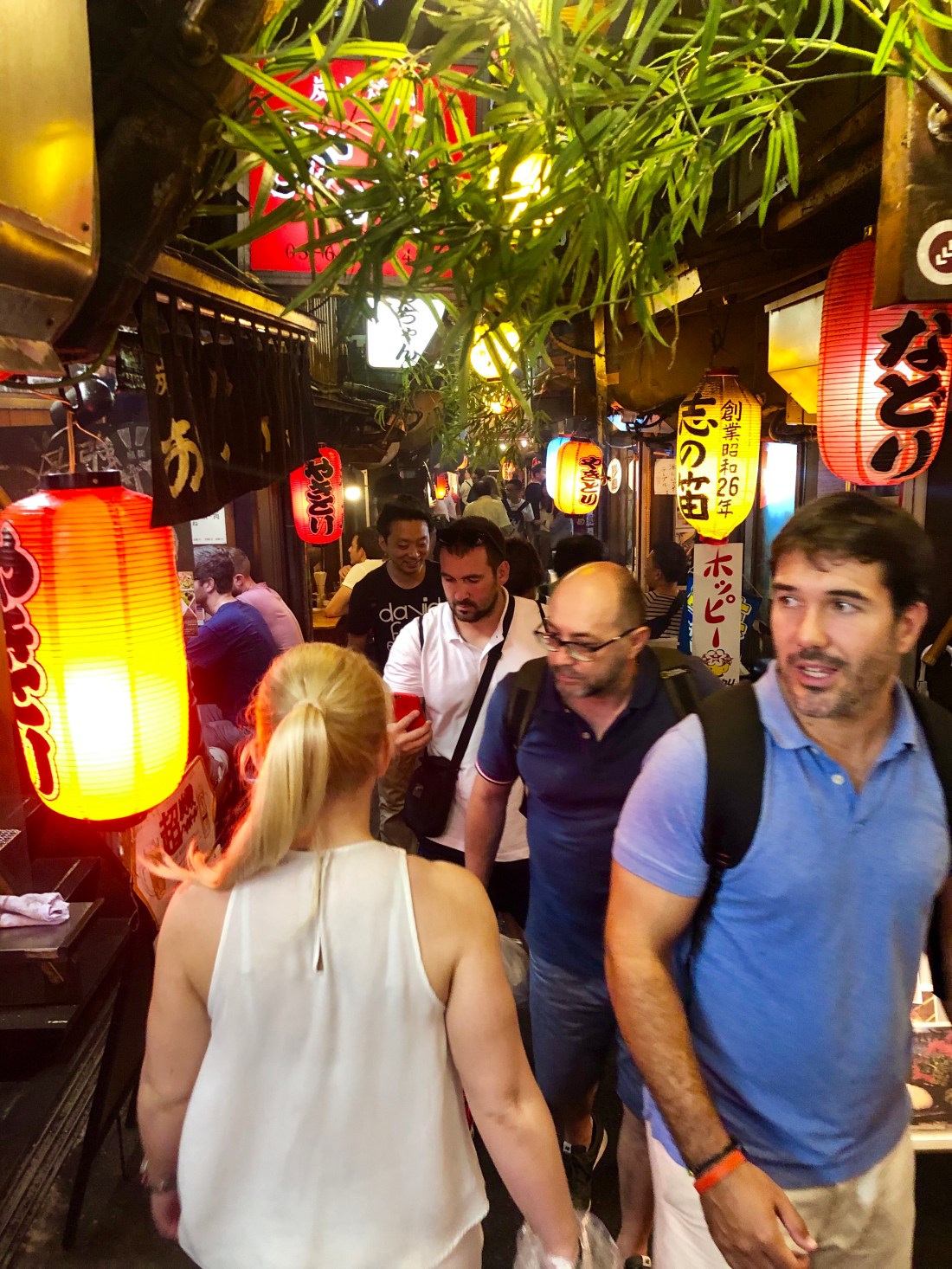
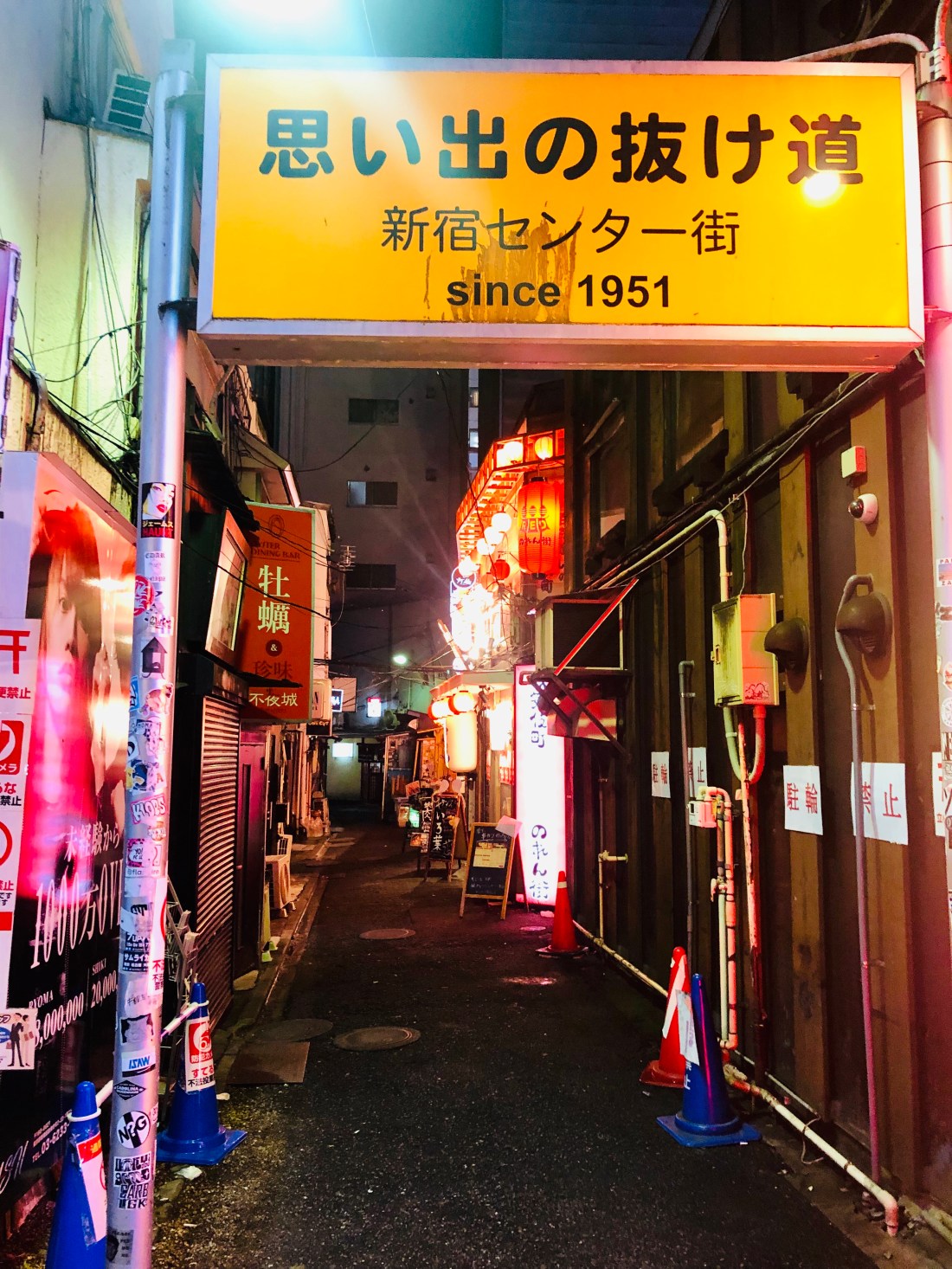
Head to Omoide Yokocho, more famously Piss Alley or Memory Lane as it’s also called by the local older generation, named after the time this alleyway was conveniently placed for a nightly piss after a few beers too many. Now, it is a miniature food-mecca and sacred by the Japanese government. After a fire destroying big parts of it, it was rebuilt to its original state. Tiny restaurants side by side all serving Japanese street food delicacies. It is crowded, but the restaurant owners fit you in like a tetris block.
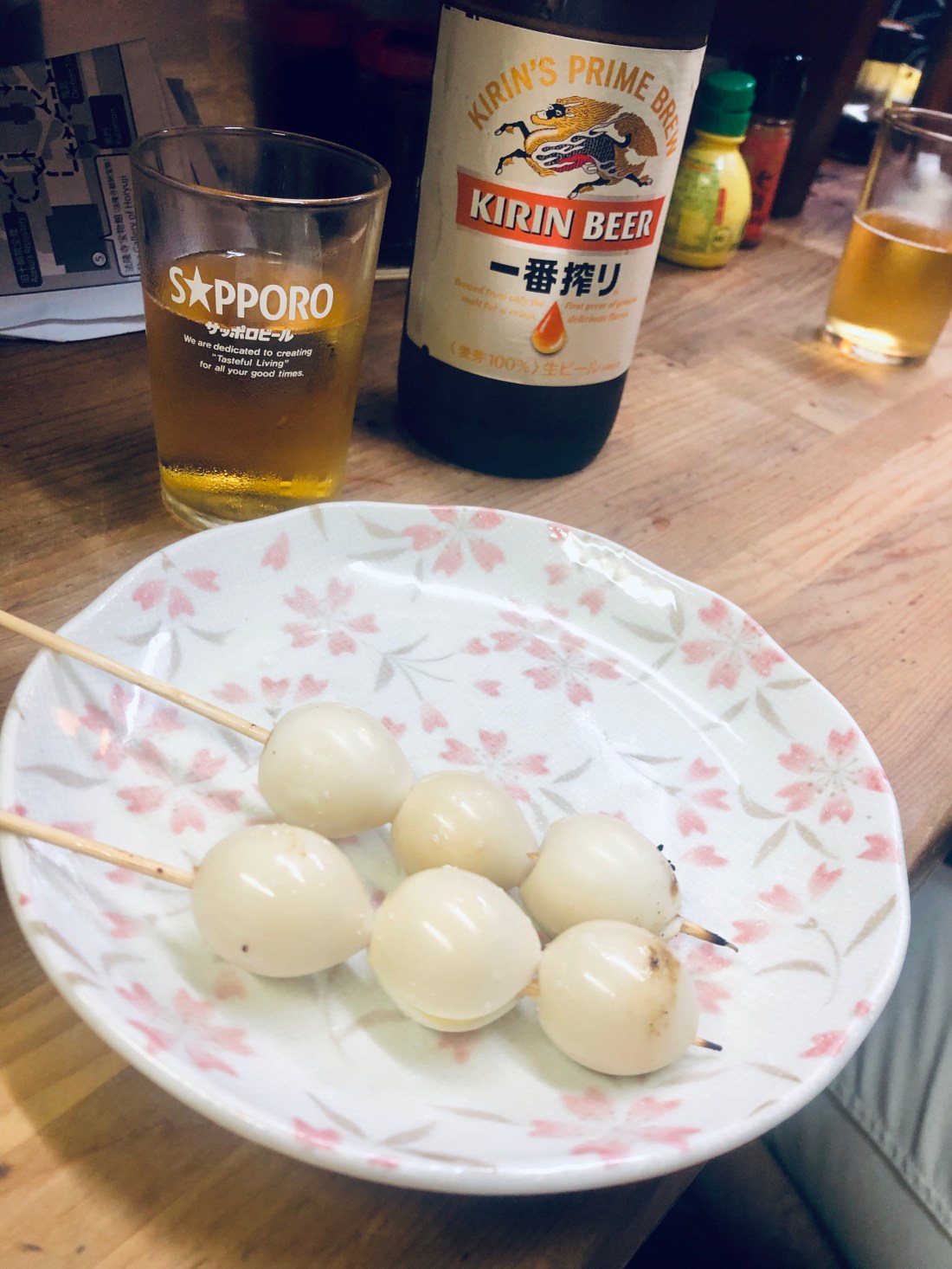
Grilled meat is great here. Eat yakitori chicken. We also had some amazing quail egg skewers. A classic stew made out of animal intestines is served in many of the restaurants – a proper traditional treat. Will you give it a go?
When you think you’ve had enough food to last a night of fun it’s time to head to Golden Gai. Golden Gai is the big brother of yokochos and has 201 little bars side by side and on top of each other. It is like an arcade game for adults. As much as this place is mentioned in tourist guides, we met surprisingly few tourists, except for a crazy American who escaped to Tokyo 10 years ago with reasons unknown, uninvitingly trying to be our tourist guide and protector. As much as Golden Gai welcomes tourists, some bars only opens their doors to locals, and there are even some private members bars only allowing regulars.
Our two favourites were Albatross and TY Harbour. Albatross is one of the slightly bigger bars, with one bar on each floor. I got introduced to Japanese cherry blossom and matcha liqueur from the brand Dover here. Try a cherry blossom cocktail and matcha liqueur with milk. Bartenders recommendations and both amazing!
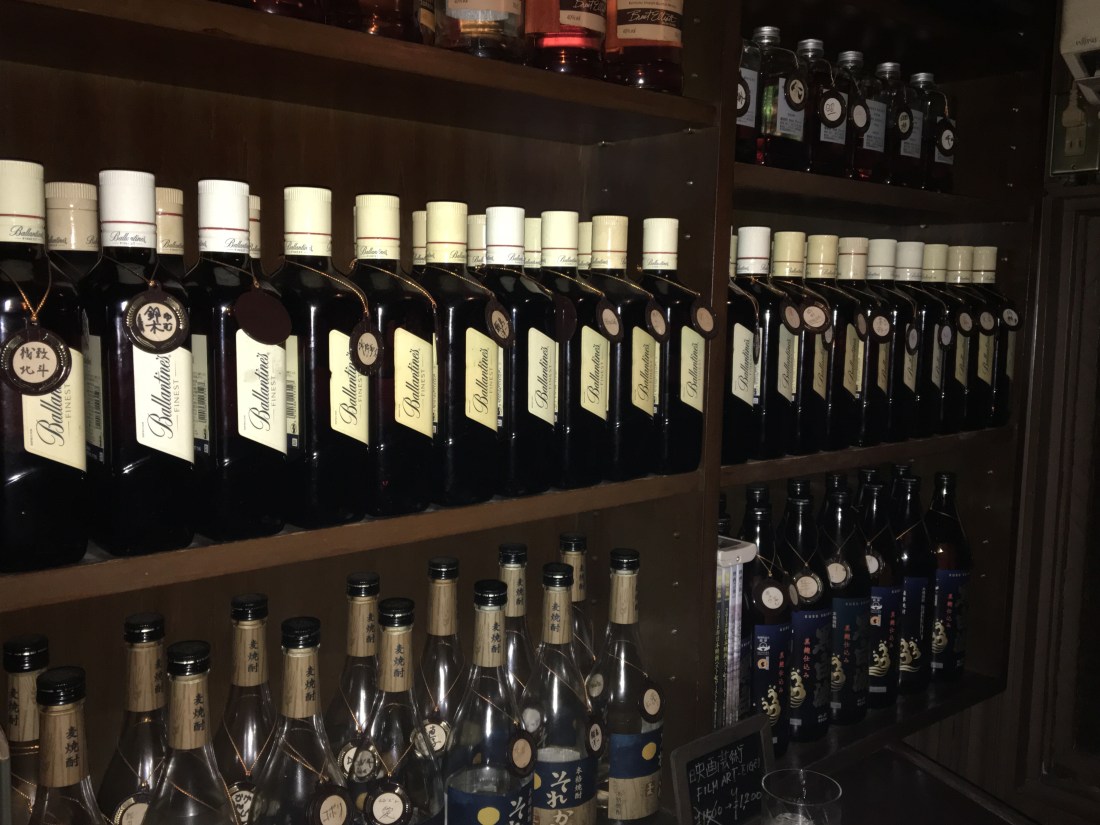
At TY Harbour the owner, who works there herself every night, is very chatty and friendly with great English. If you’re in Tokyo for a while, you can buy a bottle and leave it at the bar with your name tag on it to keep drinking when you’re back!
Still up for more? Golden Gai has a miniature karaoke bar! Most bars stay open till the early hours of the morning, so there is no need to go home even if the clocks reach 25 (as the Japanese will say about 1AM).
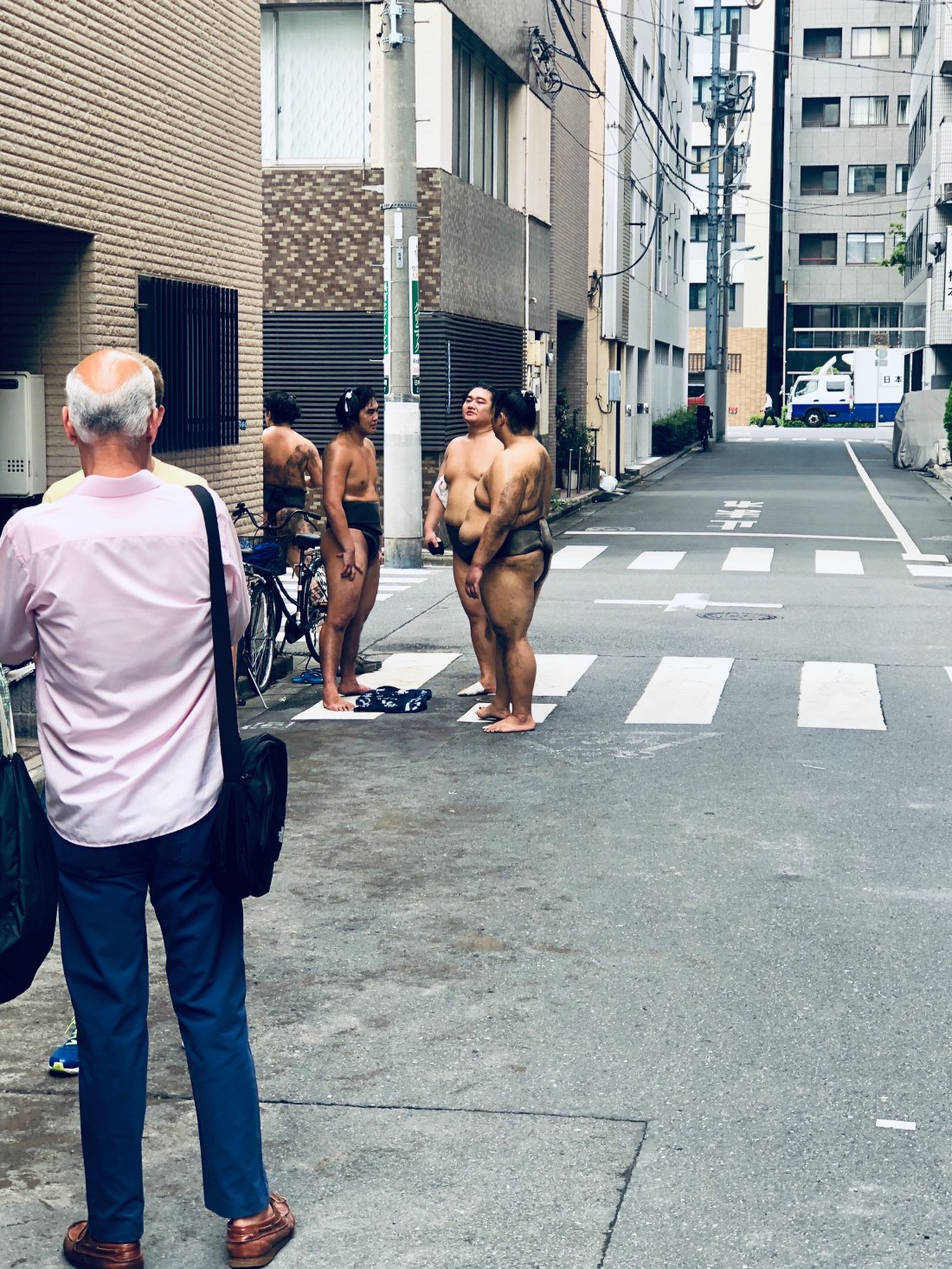
Thursday. We have learnt new tricks, and got a few stars in our hat. Today’s mission requires an early start. We start the early morning with a visit to a sumo wrestling stable. Most stables allow visitors if you call ahead, but you then have to sit completely still with no food or drinks for the 3 hour practice. However, at Arashio Beya stable around the corner from Hamacho metro, you can watch the training session through a large window and stay for the time you want. Sumo trainings are usually 3 hours sometime between 6AM and 10AM, so you want to get their early.
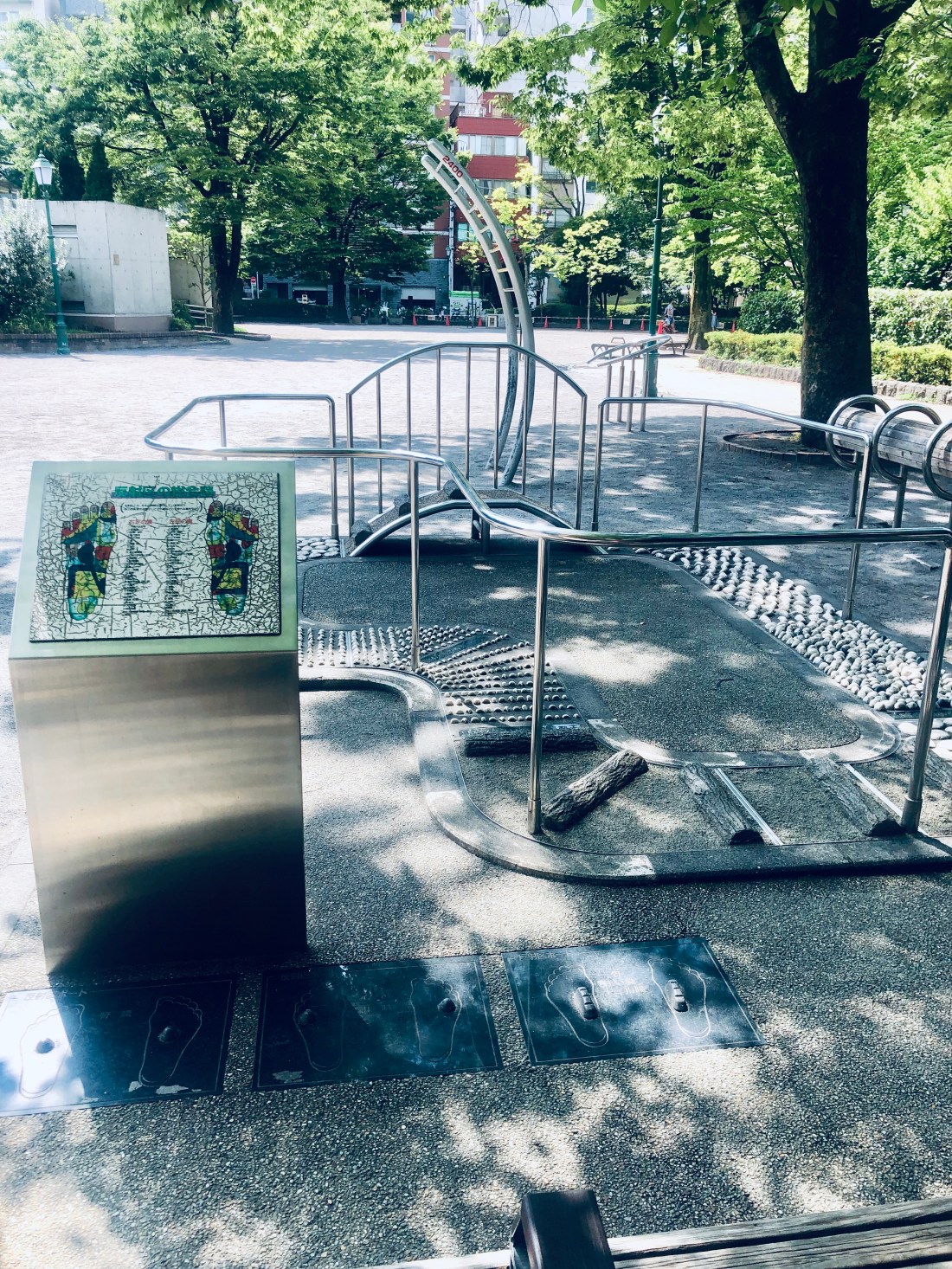
Secret Tip! If your feet are as tired as mine were after days on the go, take a peak into Hamacho Park by the metro entrance and walk the little reflexology trail they have set up before you head on!
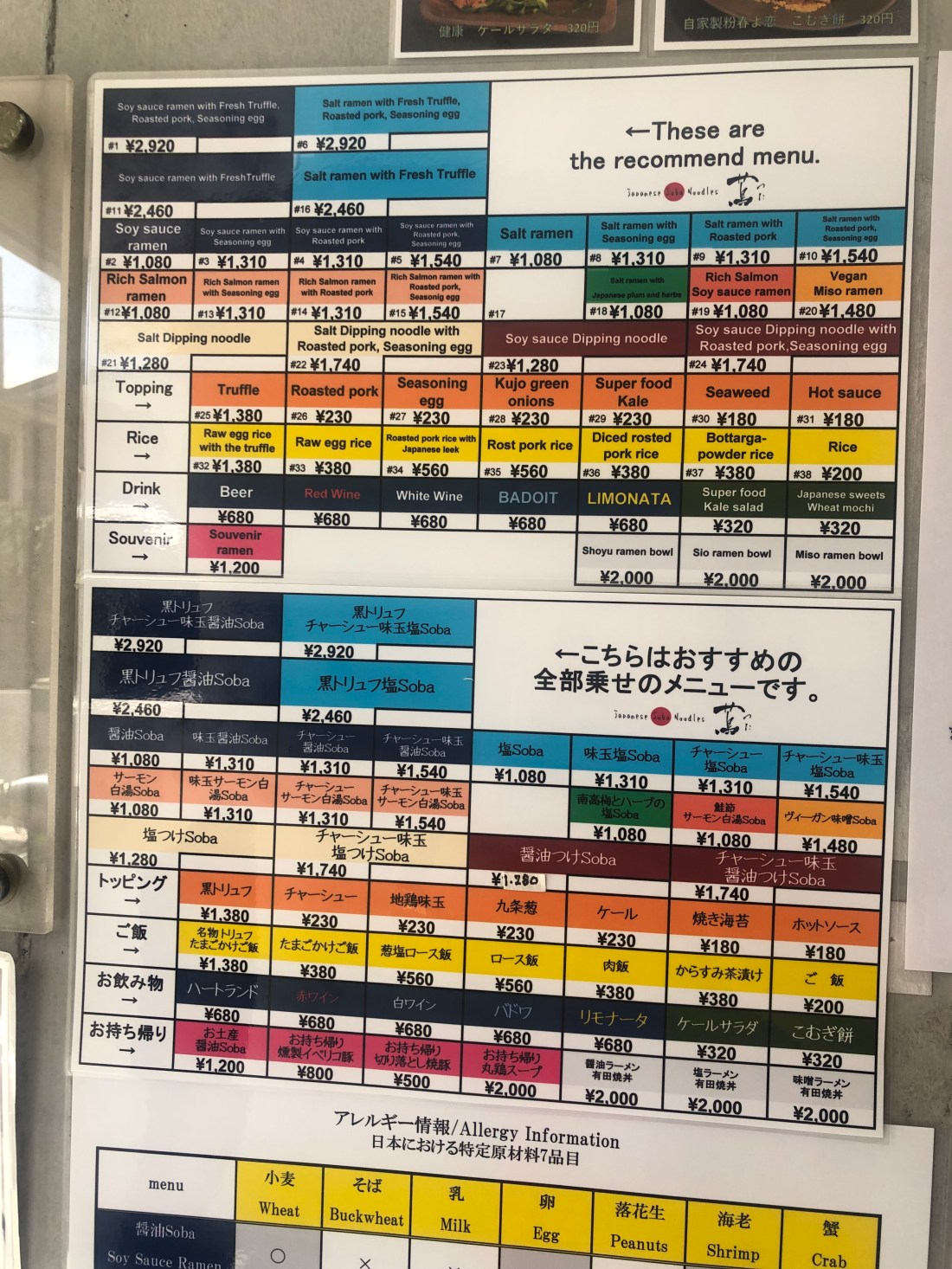
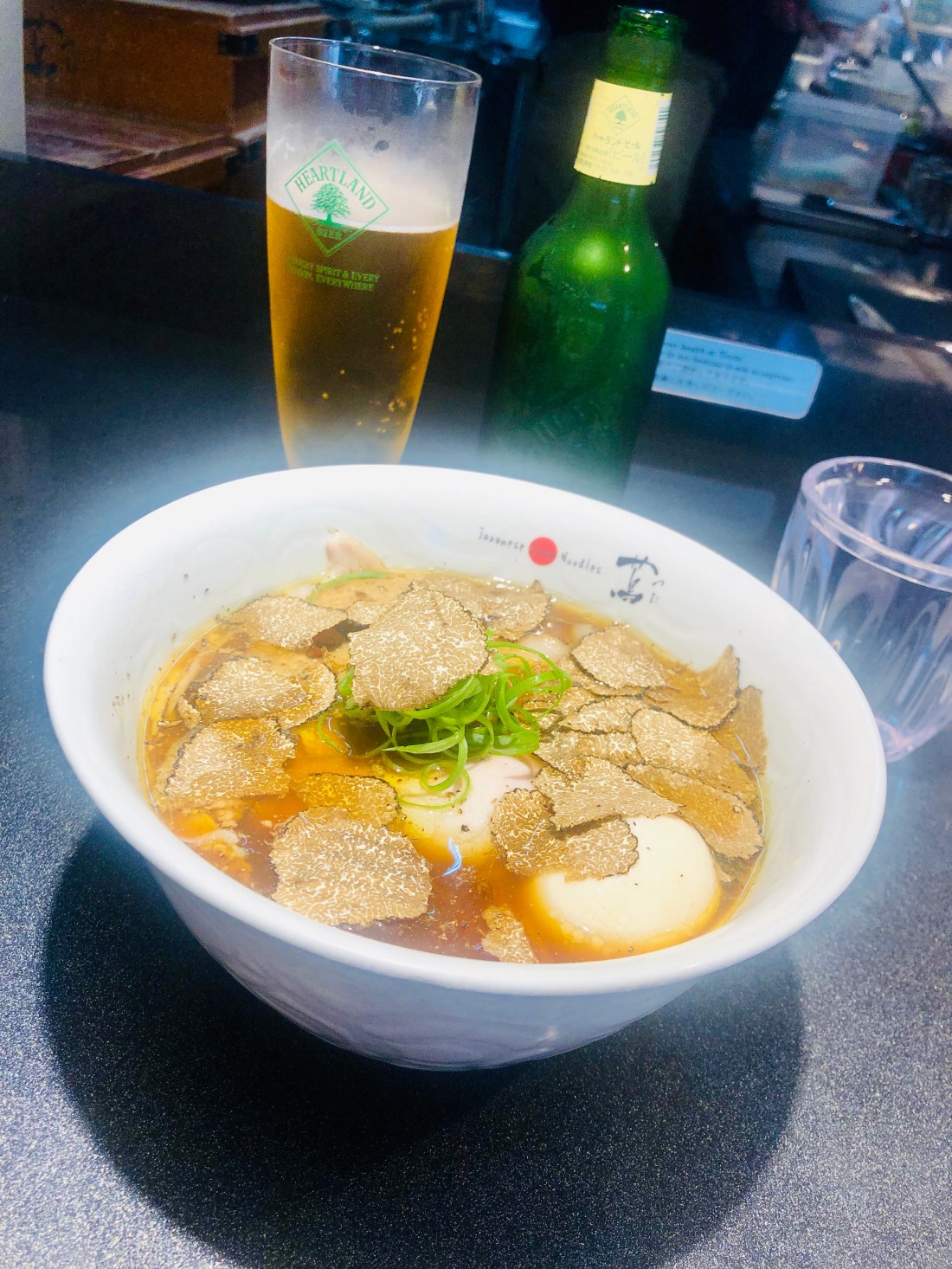
When you’ve freshened up your fighting skills watching the ancient Japanese tradition – head to Sugamo to queue up for Michelin Starred Tsuta Ramen. The restaurant do not take reservations and you have to go in before they open at 11AM to pick up a ticket and pay a ¥1000 deposit per person. It’s usually very busy, but we were lucky and got an 11AM slot when we picked up our tickets at 8AM.
(We actually did the sumo fighting first, but as the journey time between the two are about 25 mins, I would highly recommend staying in the Sugamo-area whilst waiting for your Ramen-slot.)
Make sure you come back to Tsuta at least 15 minutes before your slot. There are only 9 seats inside and they give out twice as many tickets as seats per slot. We showed up at 10.50 and didn’t get seated until 11.40.
When told, you order your dishes and drinks from a vending machine inside before being told to get back in the queue. The restaurant is actually a soba noodle restaurant, but they have earned their Michelin-Star for the ramen, that comes in various versions, but the classic one is the one with black truffles priced at ¥3900.
This is not a slow sit down meal. When in, your food and drinks are ready at the bar by the open kitchen, and all your focus should evolve around that bowl of ramen for the 25 minutes it takes you to eat it. It is absolutely delicious and totally worth the wait. Set aside the Christmas music blasting through the speakers in the middle of August – this is a Tokyo-must!
After your ramen experience, head to Akihabara, nick named “Tech City”. They say it takes time to truly understand this area and find its soul – and I do believe them. It’s a chaotic mis-match of confusing tech shops selling anything money can buy, alongside shopping centres and many story-high high tech malls. Talking about gaming, Akihabara will certainly be our docking station. You can find any game you’ll ever want here, any accessory, any console. If you’re a technology enthusiast, you might have just found your wonderland.
Food wise, however, this area doesn’t have much to offer, except for all the traditional Maid Cafés. It’s a bizarre concept – Japanese girls dressed up as maids, taking you into themed cafes serving you rainbow desserts, cakes, ice creams and colourful milkshakes. You might just learn to like it. The maid cafés have now popped up all over Tokyo – but Akihabara was the origin for the maid and anime culture, originally marketed towards children, but adopted as an adult concept.
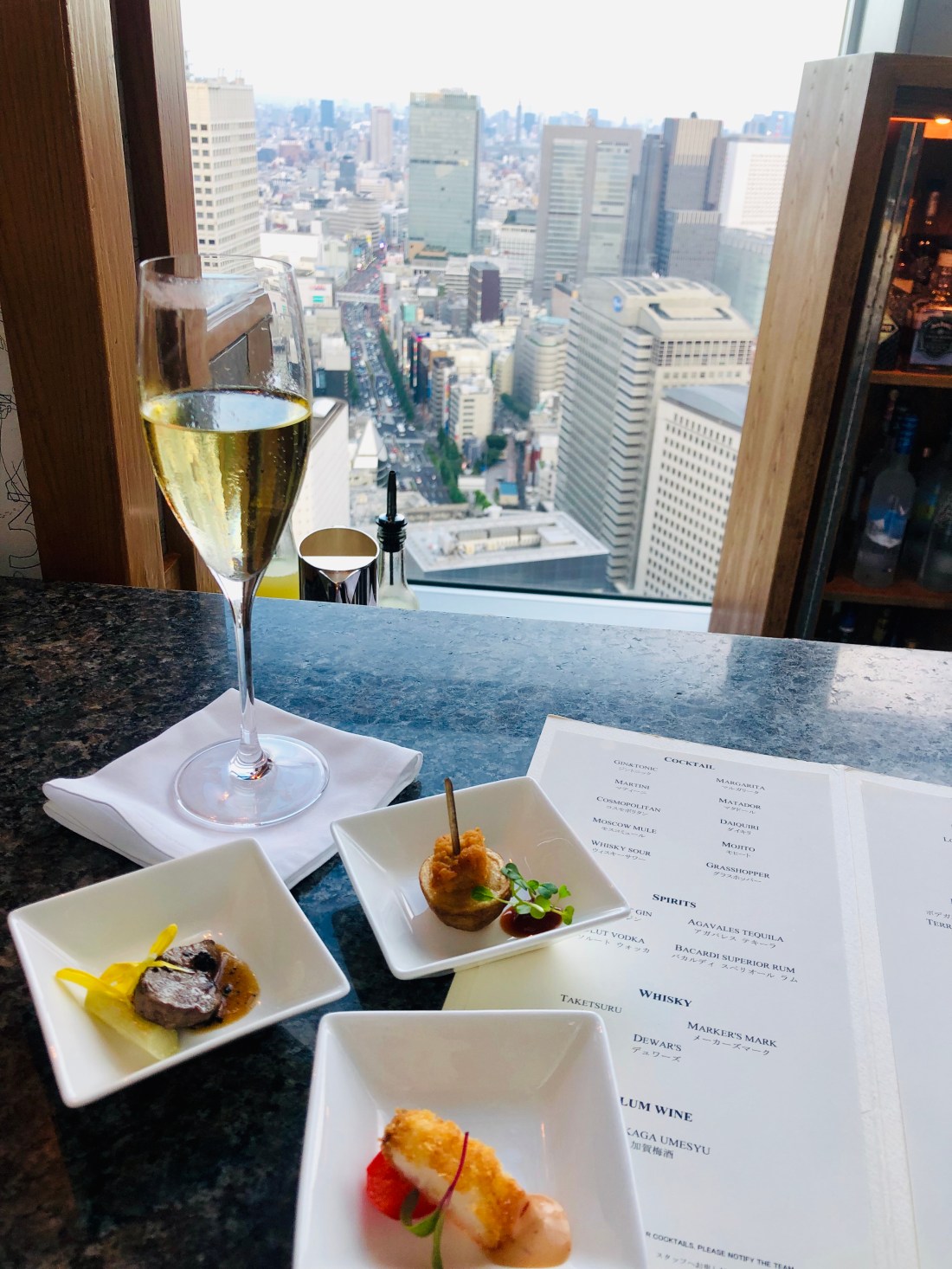
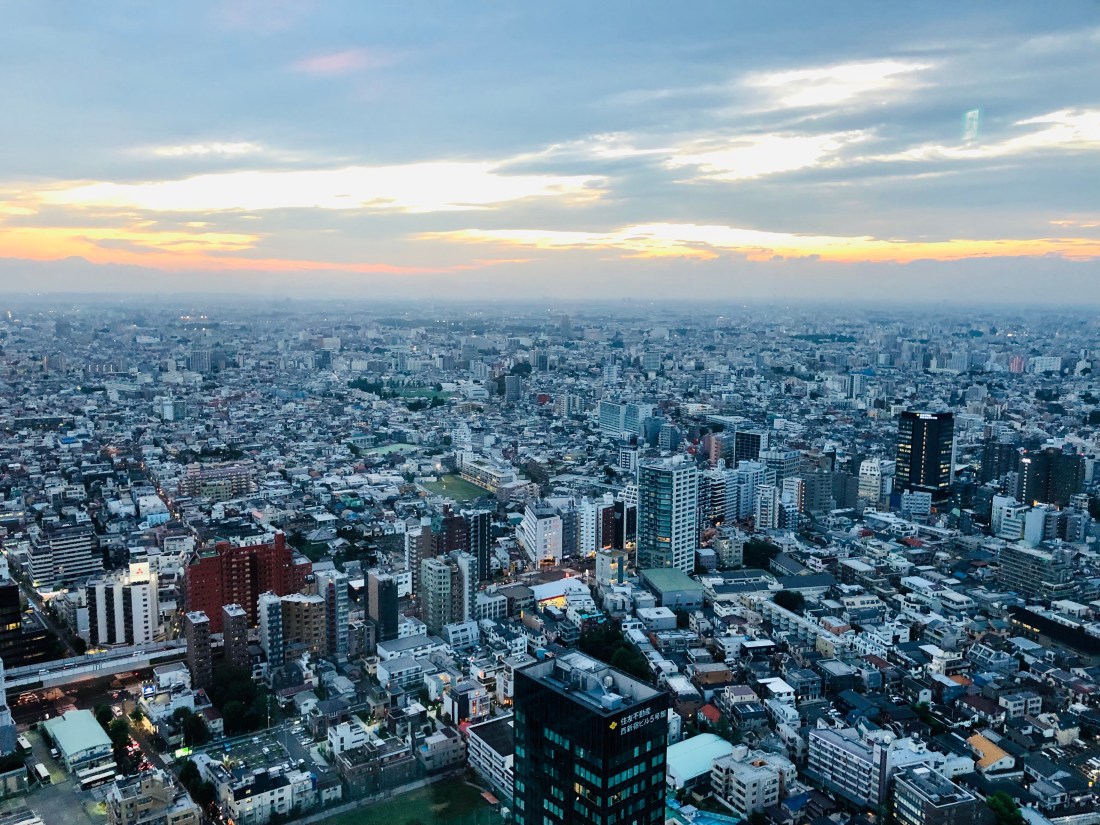
Akihabara required me to pause the game for a little, before heading to our next level; Twilight Time at Hyatt Park Hotel.
Between 5 and 8PM, you can head up to the Peak Bar on the 41st floor of the hotel for all you can drink cocktails, wines and beers and canapés whilst watching the sunset. It’s a remarkable way to take in the Tokyo Skyline, all for ¥4500 per person. There isn’t much food though, unless you fill up on canapés, so it’s worth grabbing a bite before you get here.
You can’t make a reservation, just show up around 5PM for a great window view by the bar.
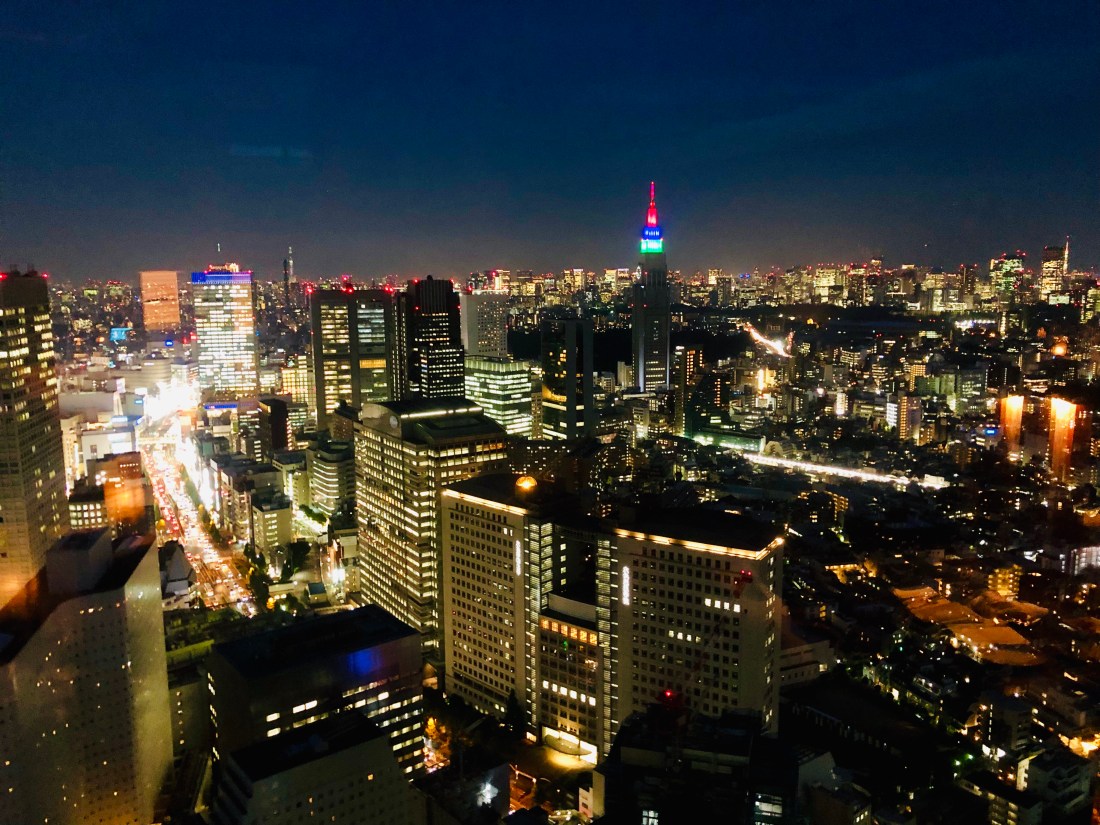
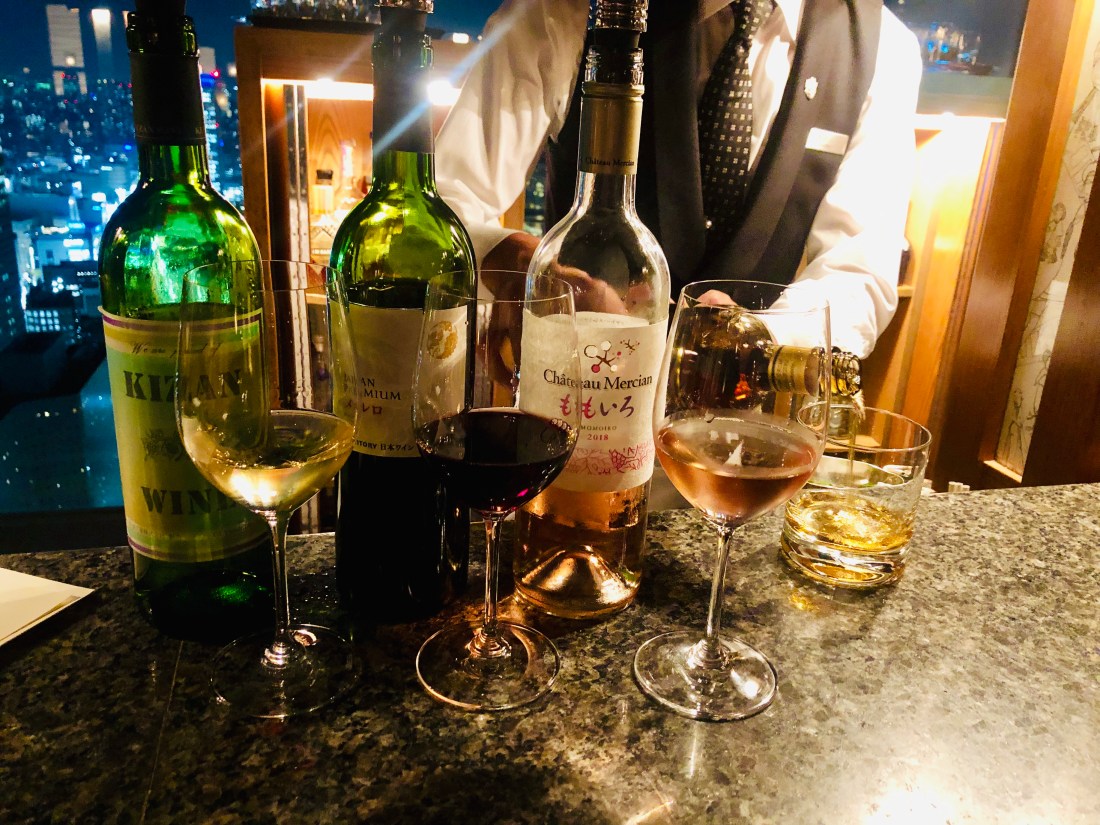
For an even higher view you can book dinner at the New York Restaurant or listen to jazz at the New York Bar on the 52nd Floor.
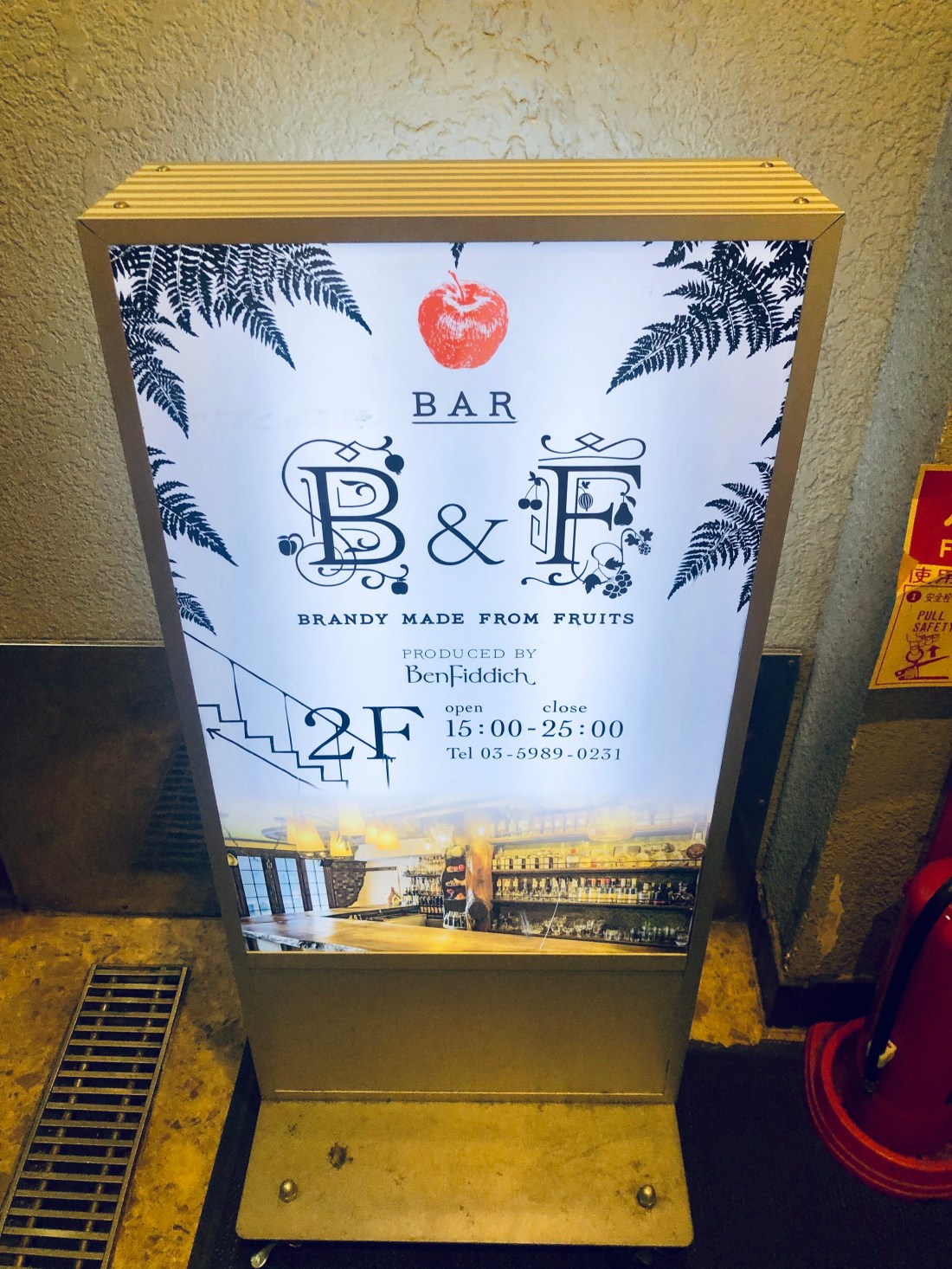
After twilight time, walk to Ben Fiddich Bar. This magical, secret bar on the 9th floor of an office building is truly worth a visit. There is no menu, just two very highly skilled bartenders making you the most wonderful cocktail potions in a very dim-lit bar.
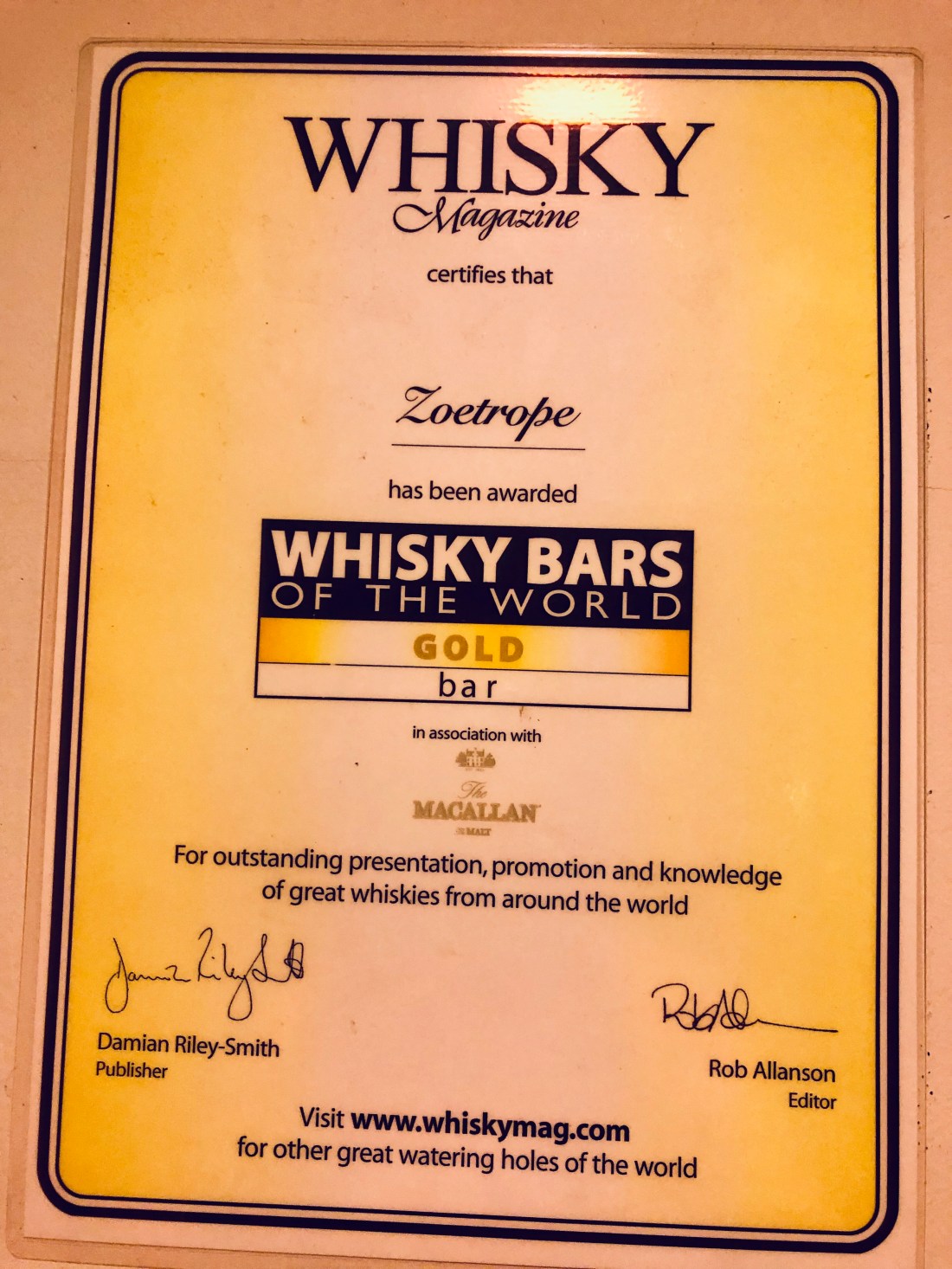
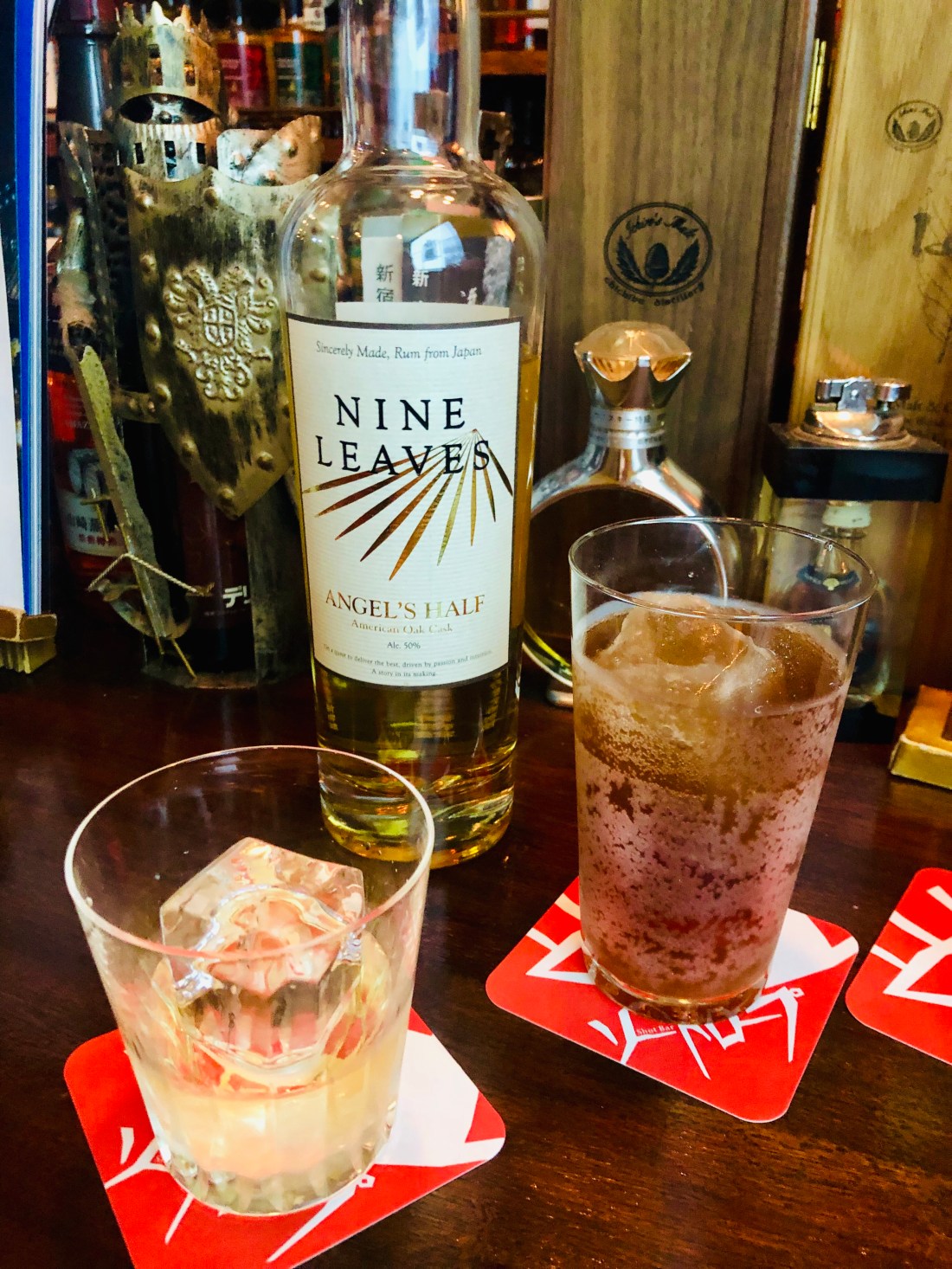
From here, walk to ZoeTrope. This bar has been awarded Gold Whiskey Bar of the year and is the perfect place for a Japanese Whiskey Tasting. They sell various flights of miniature whiskeys, so you can try a few. I also found an excellent Japanese golden rum in here! The owner is full of knowledge, so ask away!
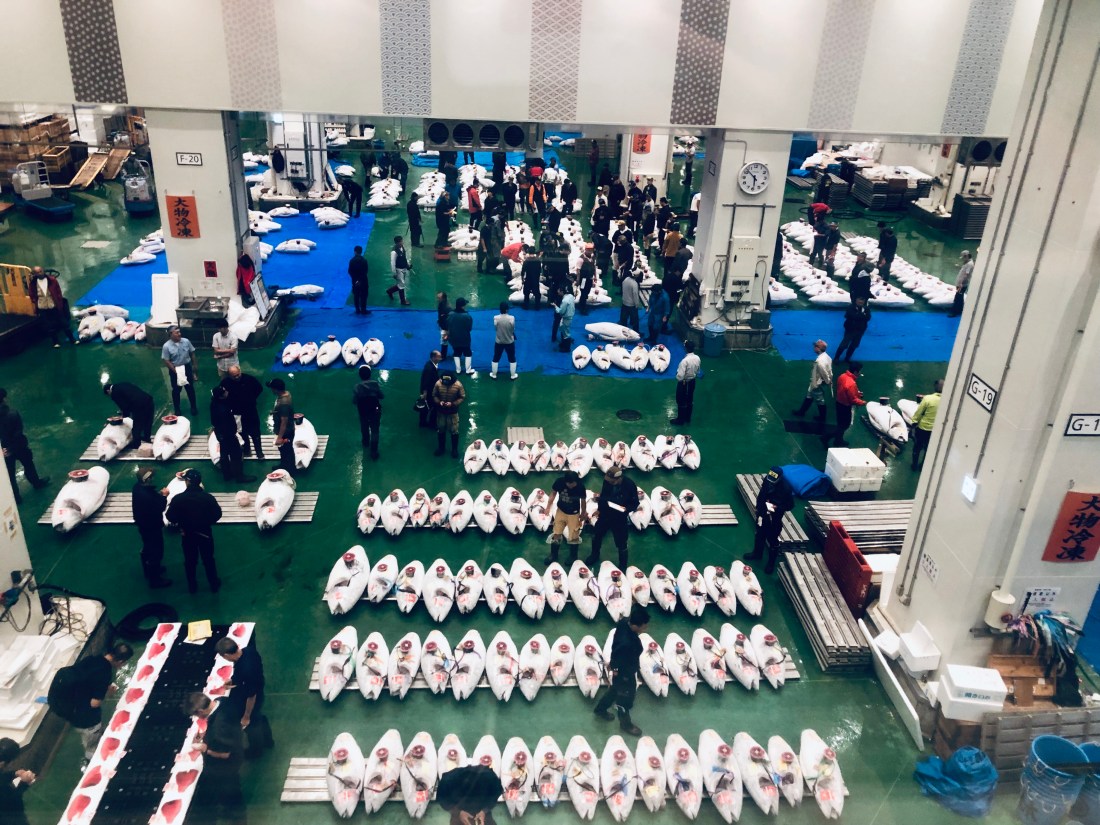
Friday. Get up at 4.30AM. If you do, you’ll get a platinum star, and an experience you will never forget. Grab the can of nitro-brew espresso you bought from SevenEleven the night before – you’re gonna need it!
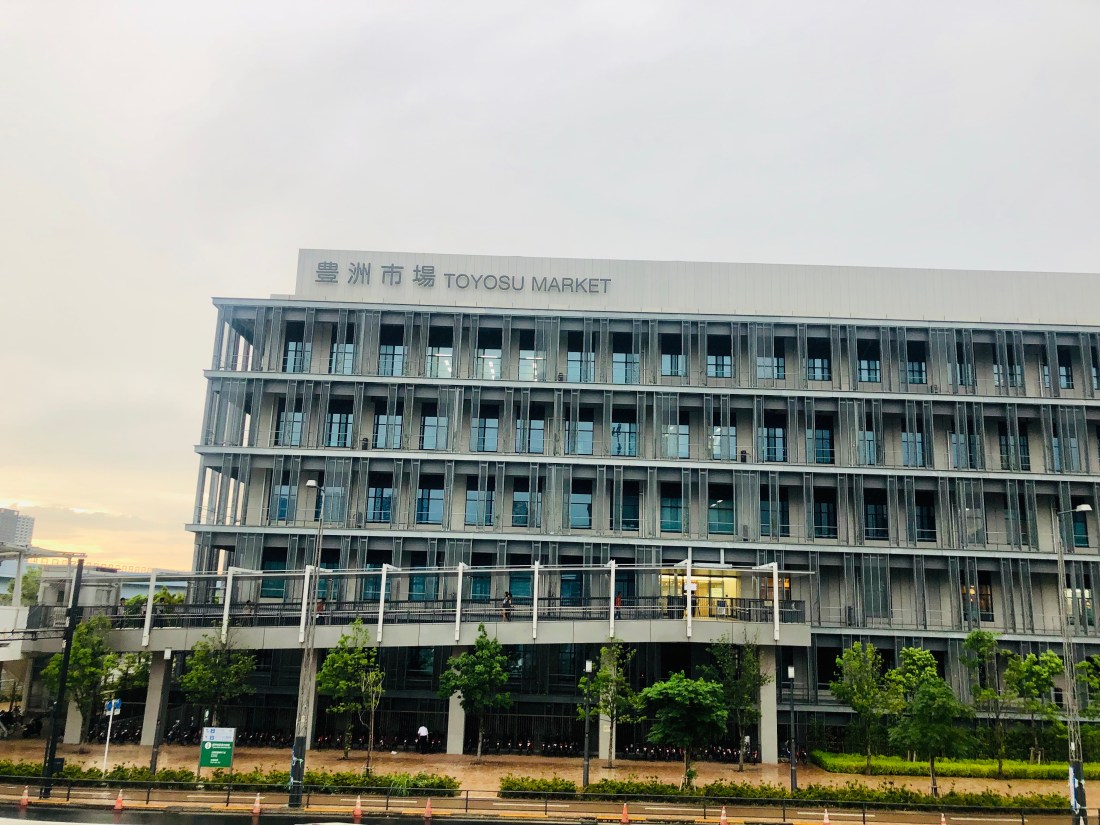
We’re headed on a truly remarkable morning of fish with the most incredible guide, Toshi. He repeatedly stated the meeting time was 5.46AM exactly. First Stop is the new Toyousu Market – it has only been open since 2018 – which is world-renown for its tuna auction, where fresh tuna can sell for up to ¥300000! The auction starts at 6AM to make sure the fish gets to the restaurants on time – they like an early start in Japan! Toshi guides us through the quick-paced auction like a pro. After all, he used to be one of them. I hope you haven’t finished your coffee yet, because I needed a bit of caffeine to keep up!
We have a chat with one of the fish vendors who’s patiently answering all our questions about tuna and explains how the fisher men can be at sea for over a year until they have filled their freezers with tuna to sell at the auction. The fish here get transported all over the world, some even express-flown to New York for the evening restaurant services! A lot of it is flash frozen in nitrogen freezers. This morning, only a fraction of the fish is actually fresh!
Toyosu Market is also home to some incredible sushi restaurants, and is a popular breakfast spot. Sushi Dai is the most famous one with people queuing from 3AM in the morning to get a seat – but there are other great ones with no queues.
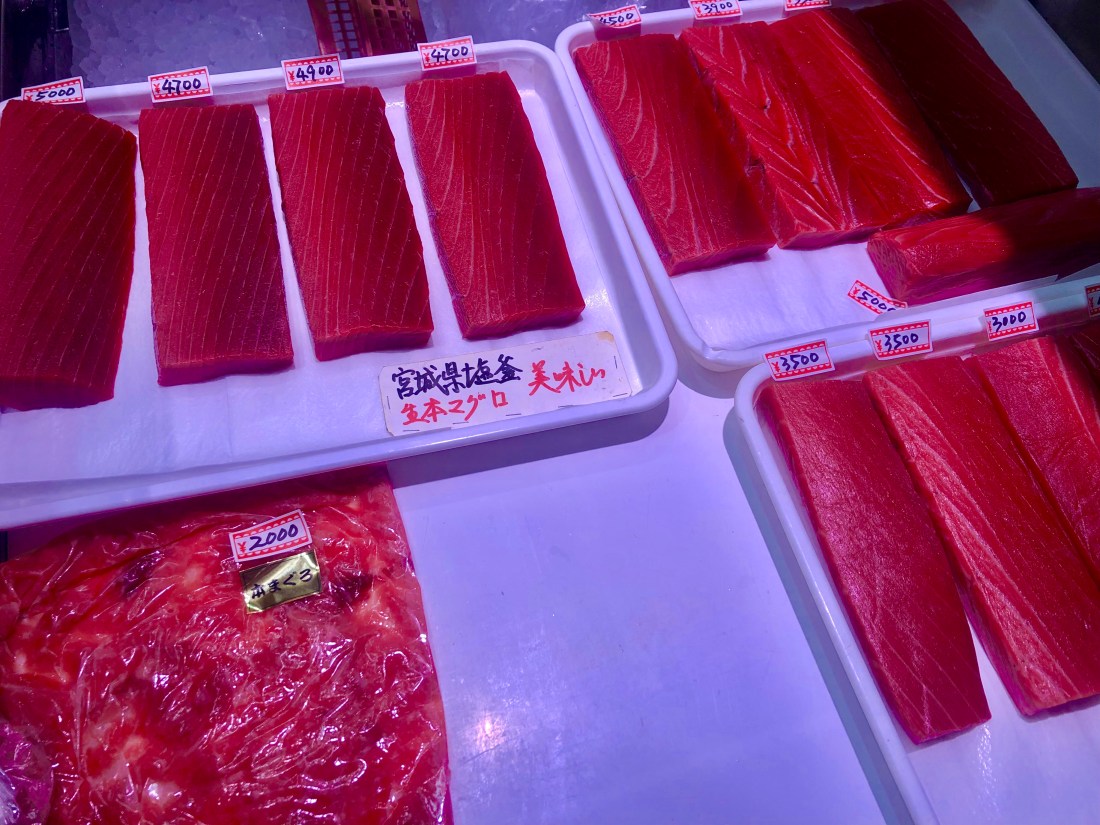
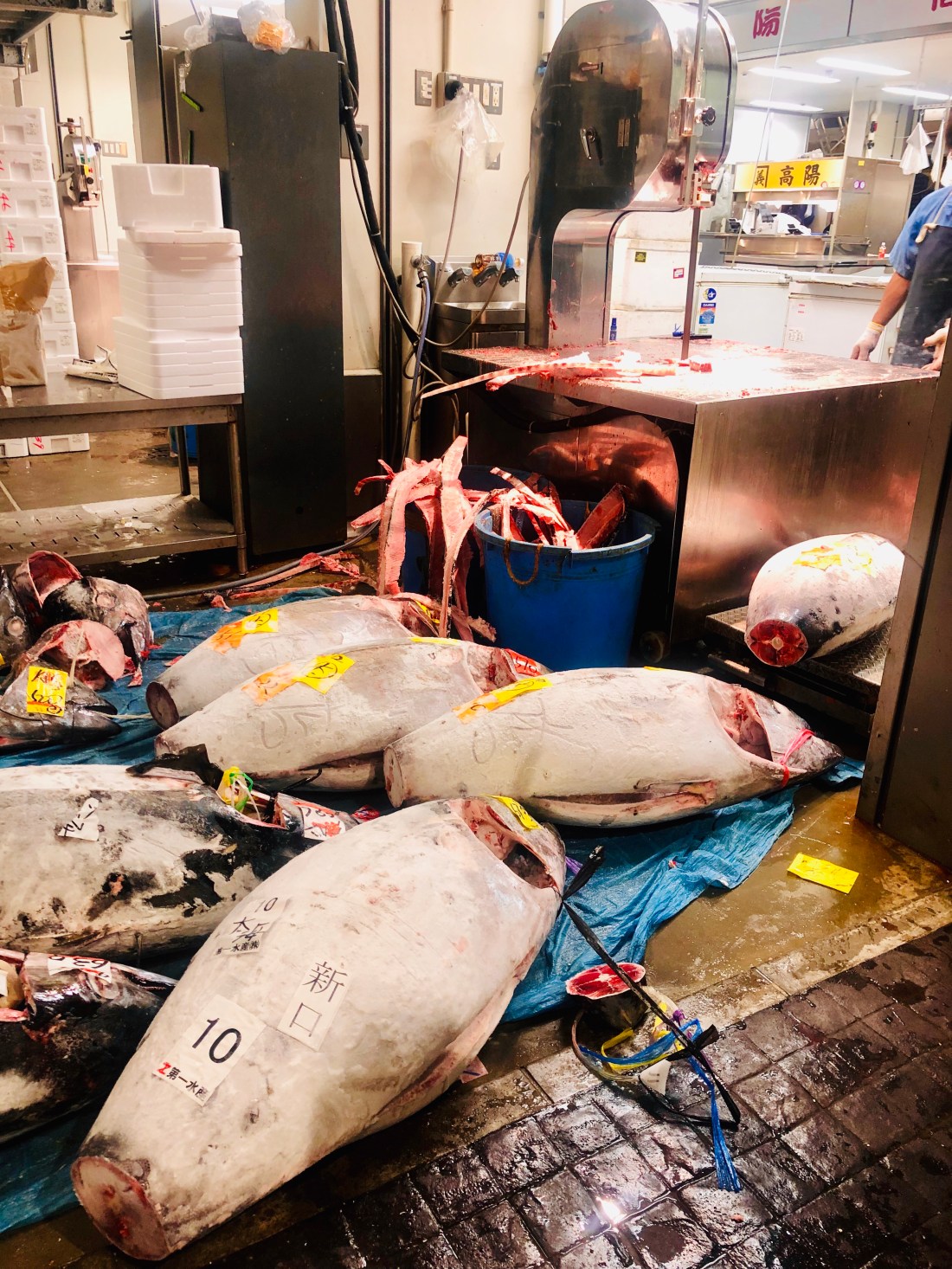
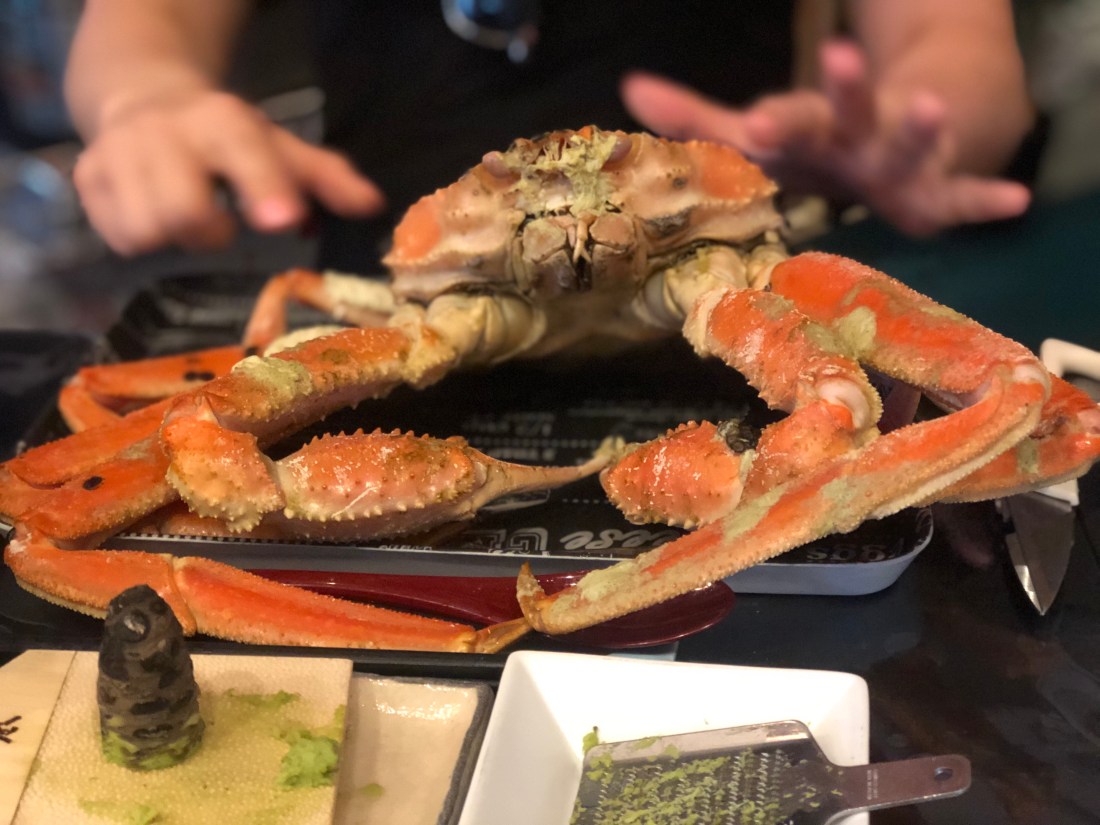
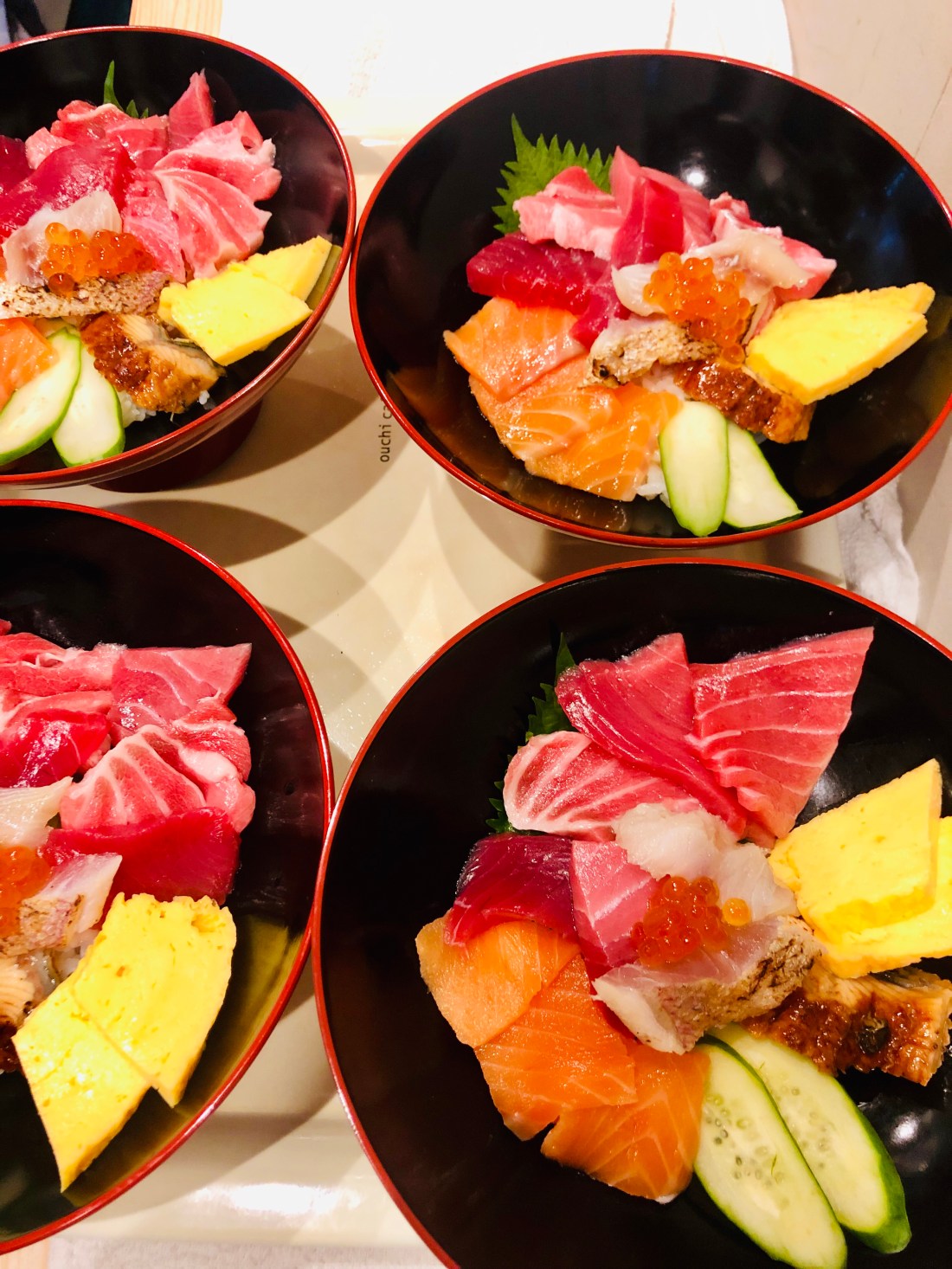
Toshi takes us into the no-entry professional fish market. This area is usually not accessible for the general public – but it is an absolute must-see! Very high pace, beeping trucks with boxes of fish ready for transport and a maze of fish vendors all specialising in their own type of fish or seafood. We get to pick our lunch; fresh snow crab, oysters and tuna are all on the menu.
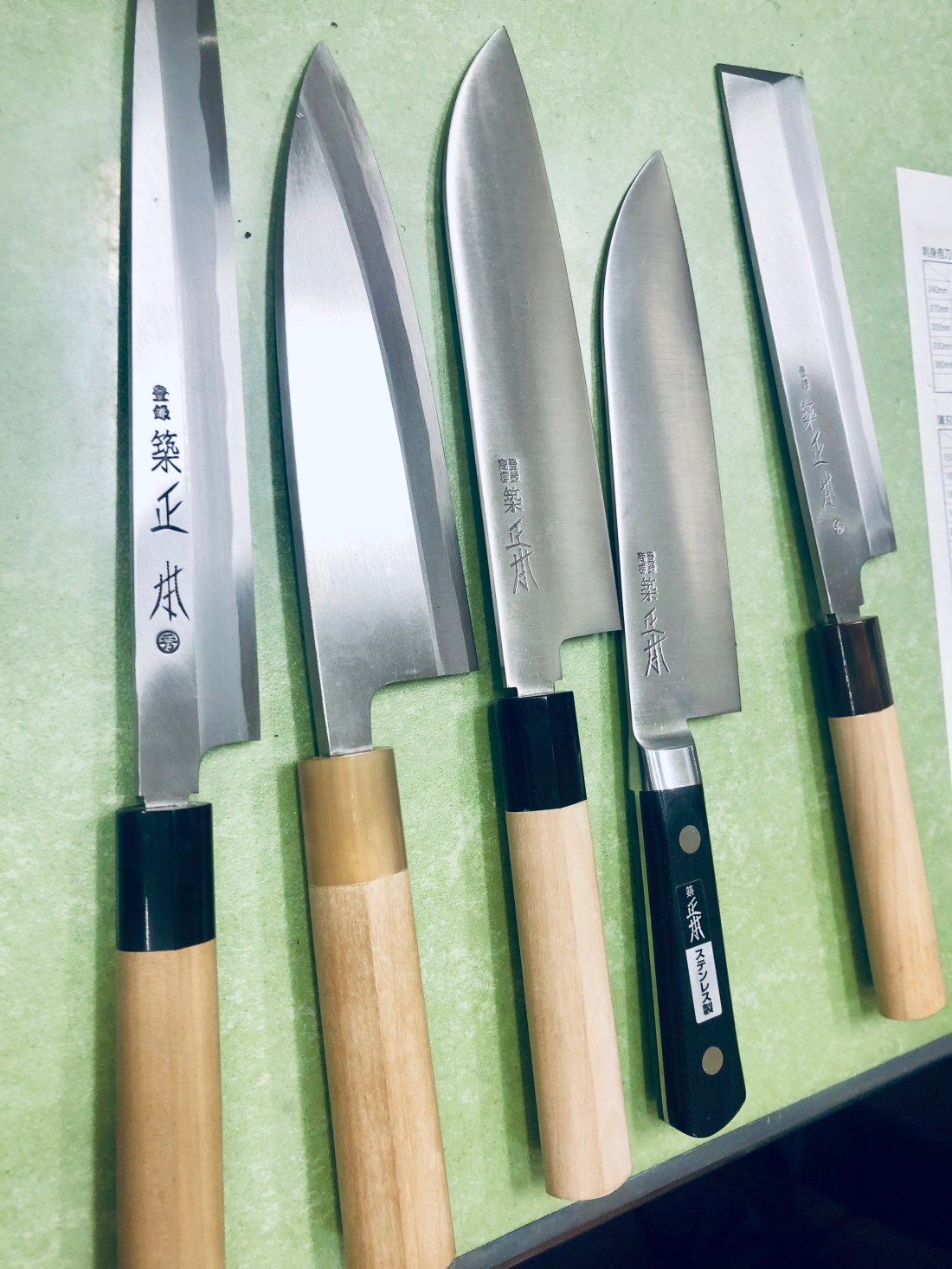
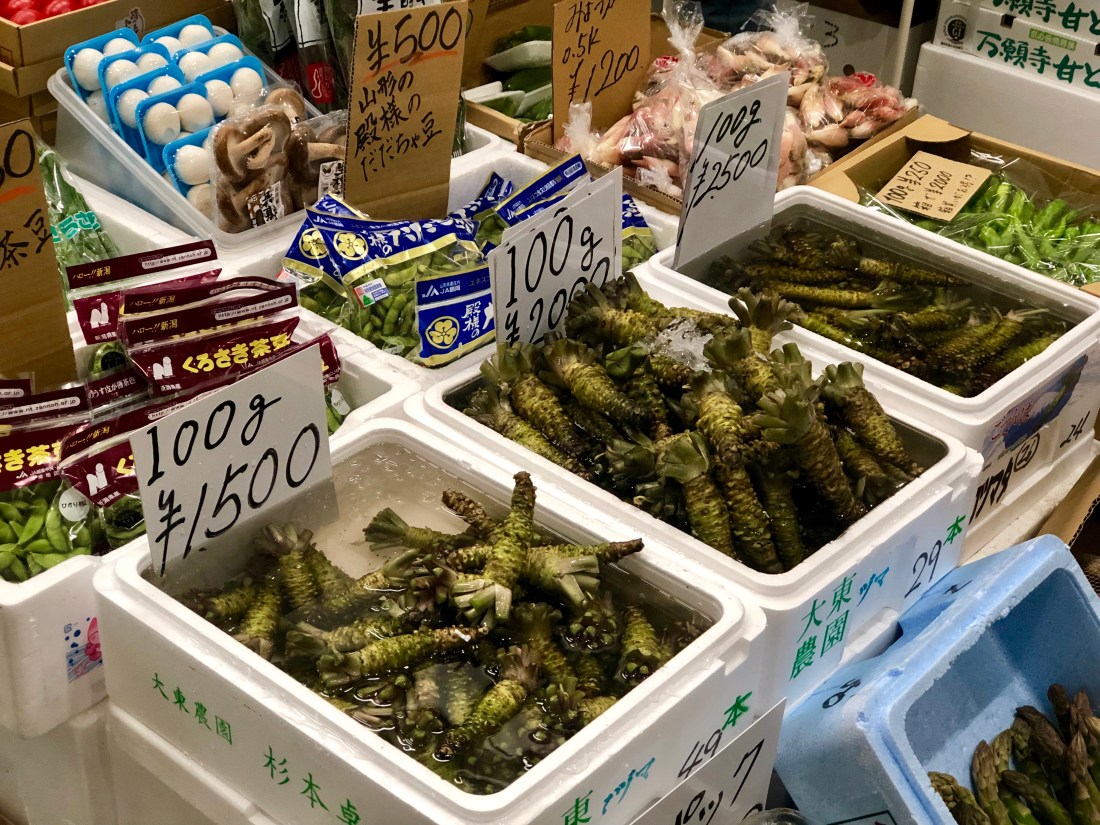
We spend a bit of time at the market upstairs, trying our cutting skills with professional Massamato-knives. After learning about Japanese produce such as wasabi and seaweed we set off to the old market a little bus ride away; Tsukiji Market.
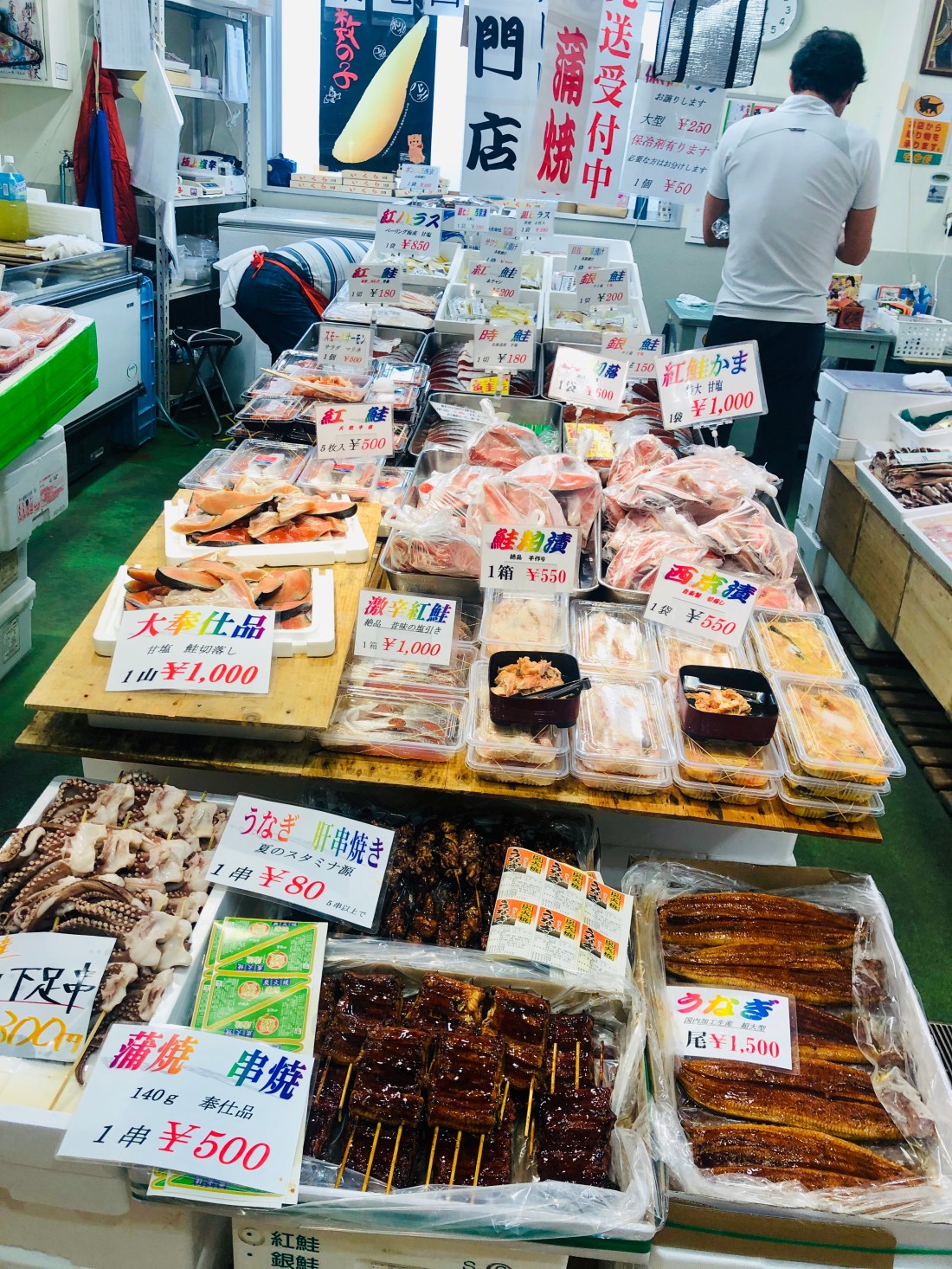
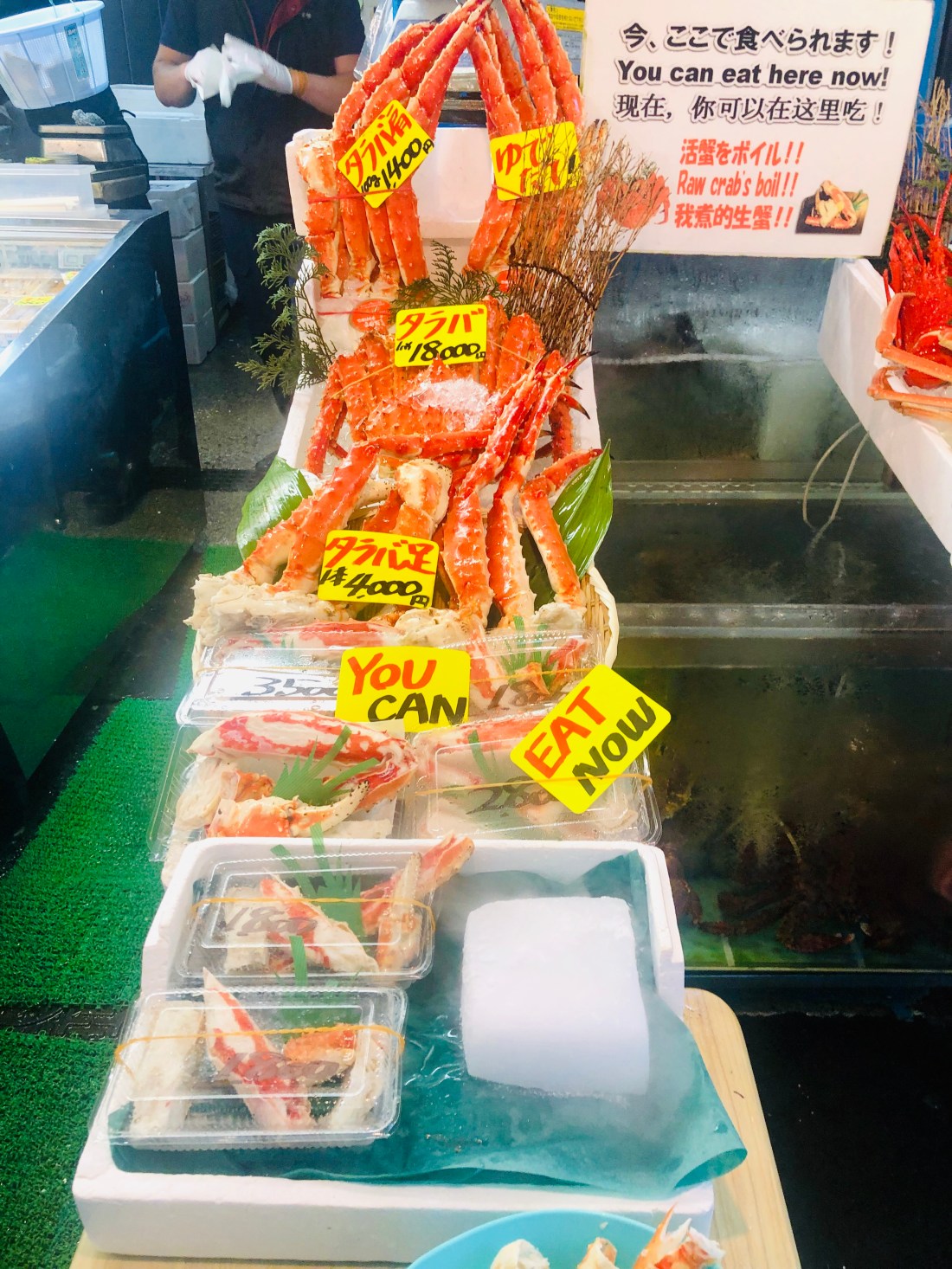
Tsukiji was built in 1657 on reclaimed land in Tokyo Bay after the Great fire, which is where it got its name; Tsukiji means constructed or reclaimed land in Japanese.
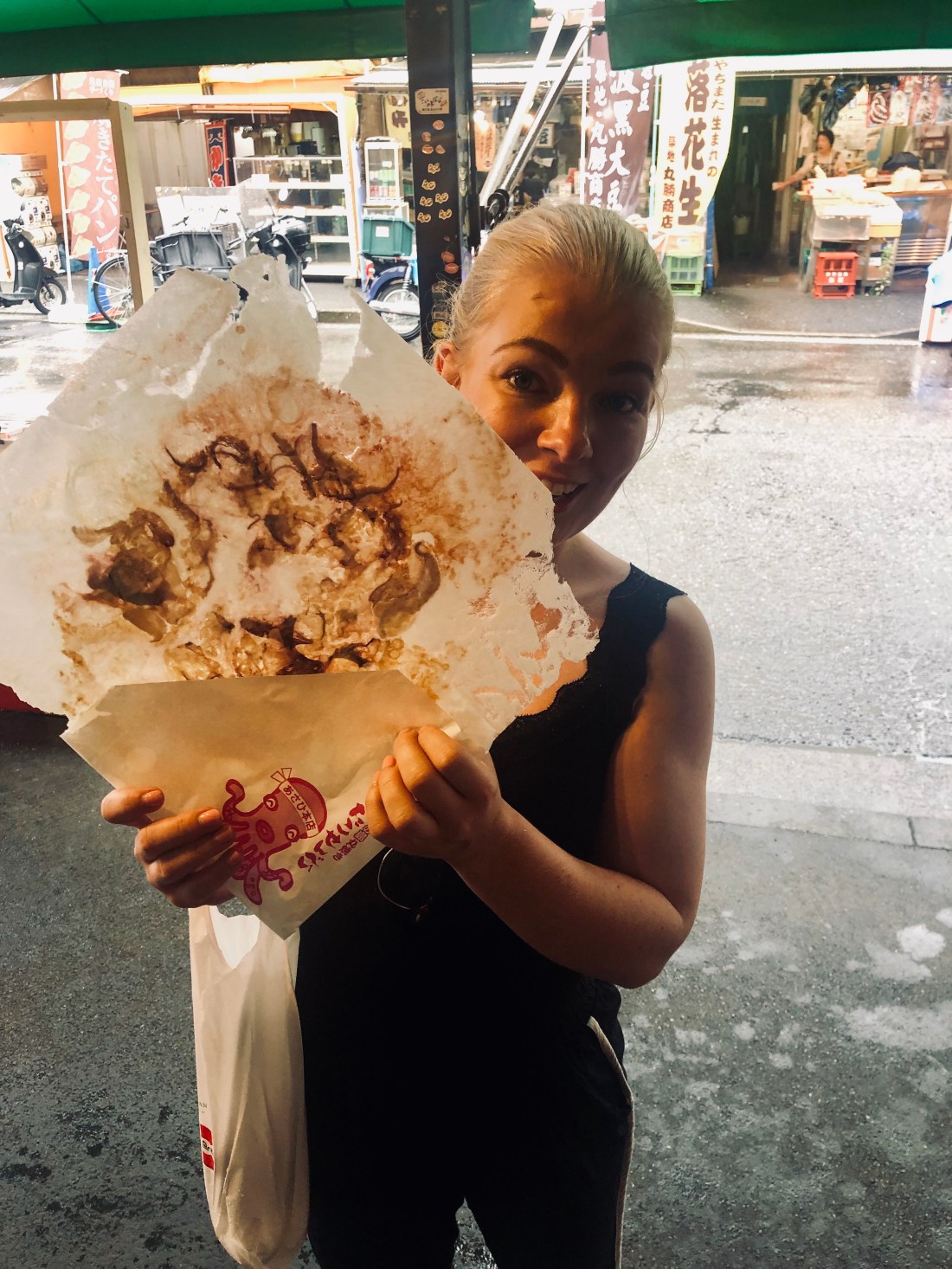
Tsukiji is a great place to walk around with hundreds of stalls and plenty of street food vendors selling everything from green tea to seafood and meat skewers and there are great samples. Try the freshly made octopus crackers and watch how it’s made! Make sure you spend a bit of time here; there is a lot to see and if you are on your own, this market has a lot more soul than the new one, but with a laid-back and casual atmosphere.
We fall asleep on the metro to our next stop. Napping is necessary. Just a little time-out before we reach Asakusa – an historical part of Tokyo and home to the famous Sensoji temple and the Tokyo Sky Tree.
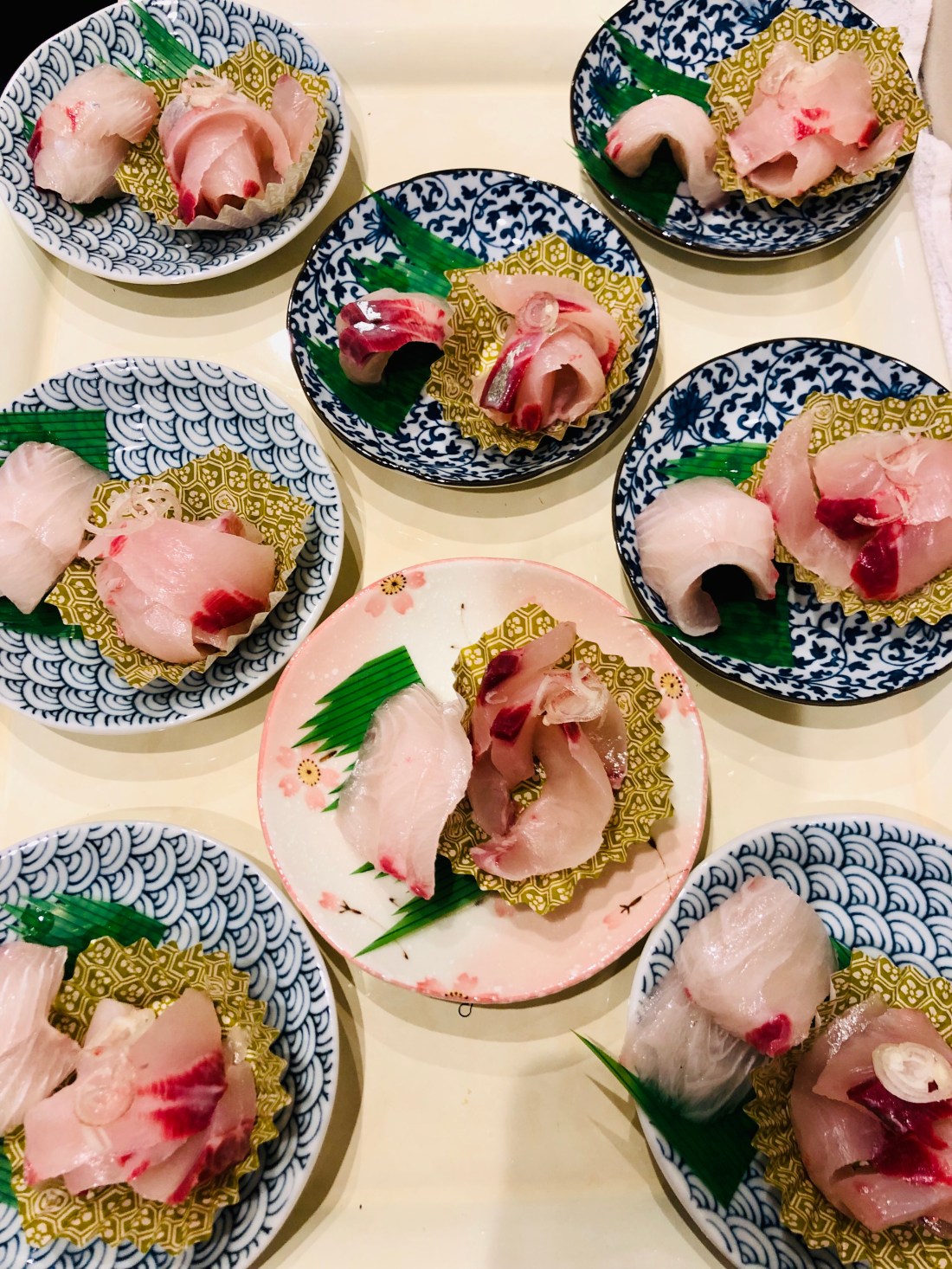
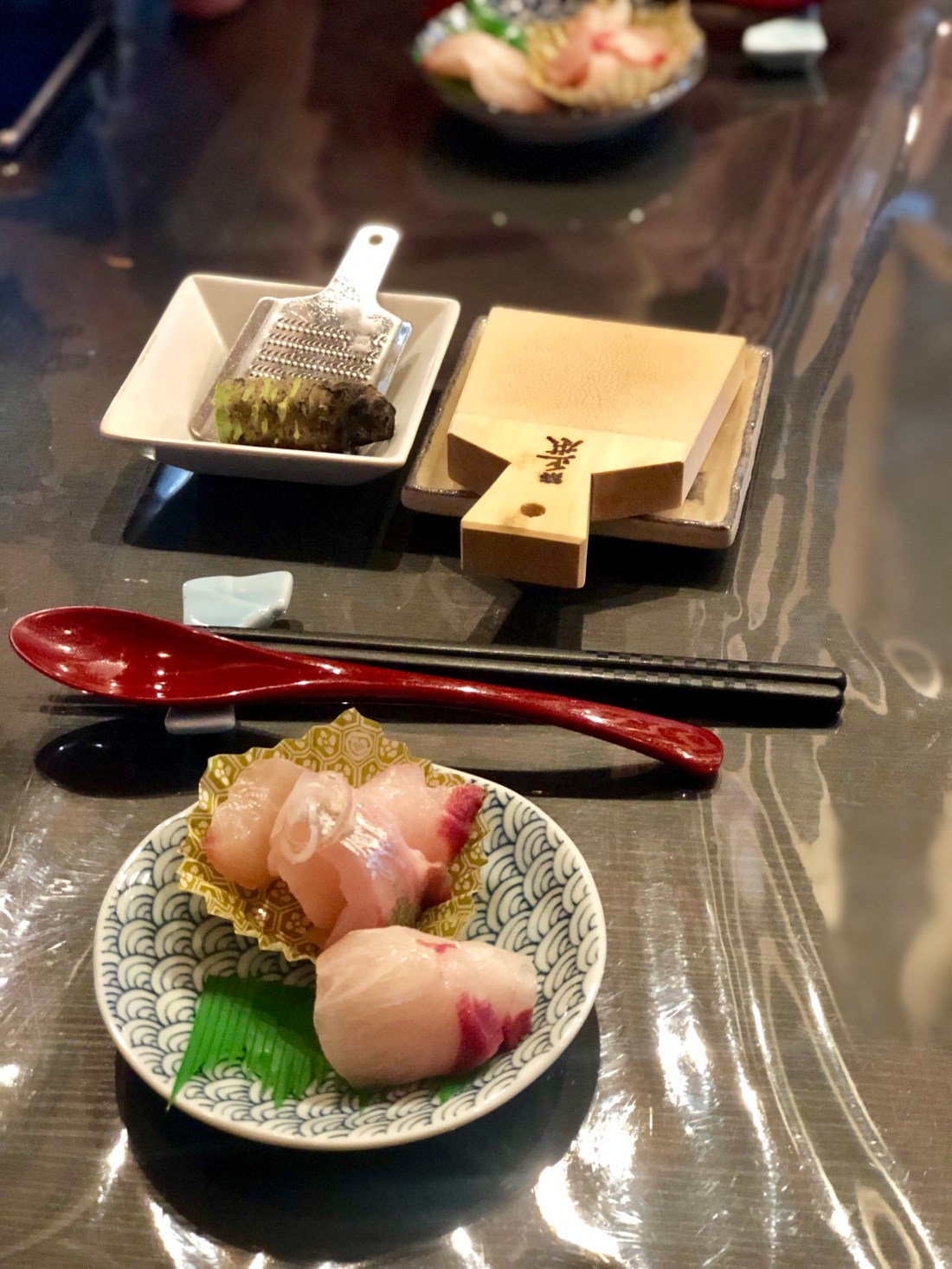
We’re invited for a traditional Kaiseki style lunch. Now, I want to warn you. Kaiseki doesn’t mean a little Bento Box. Kaiseki is a full 10 course Japanese lunch. Just in case you were stupid enough to eat beforehand… There is sashimi from 7 types of fish, miso soup, tempura, snow crab, oysters and so, so much more! This was possible the best meal we had in Tokyo and a great way to end our morning with Toshi and his lovely wife who cooked all the food.
I highly recommend booking in with them to experience it for yourself; HERE!
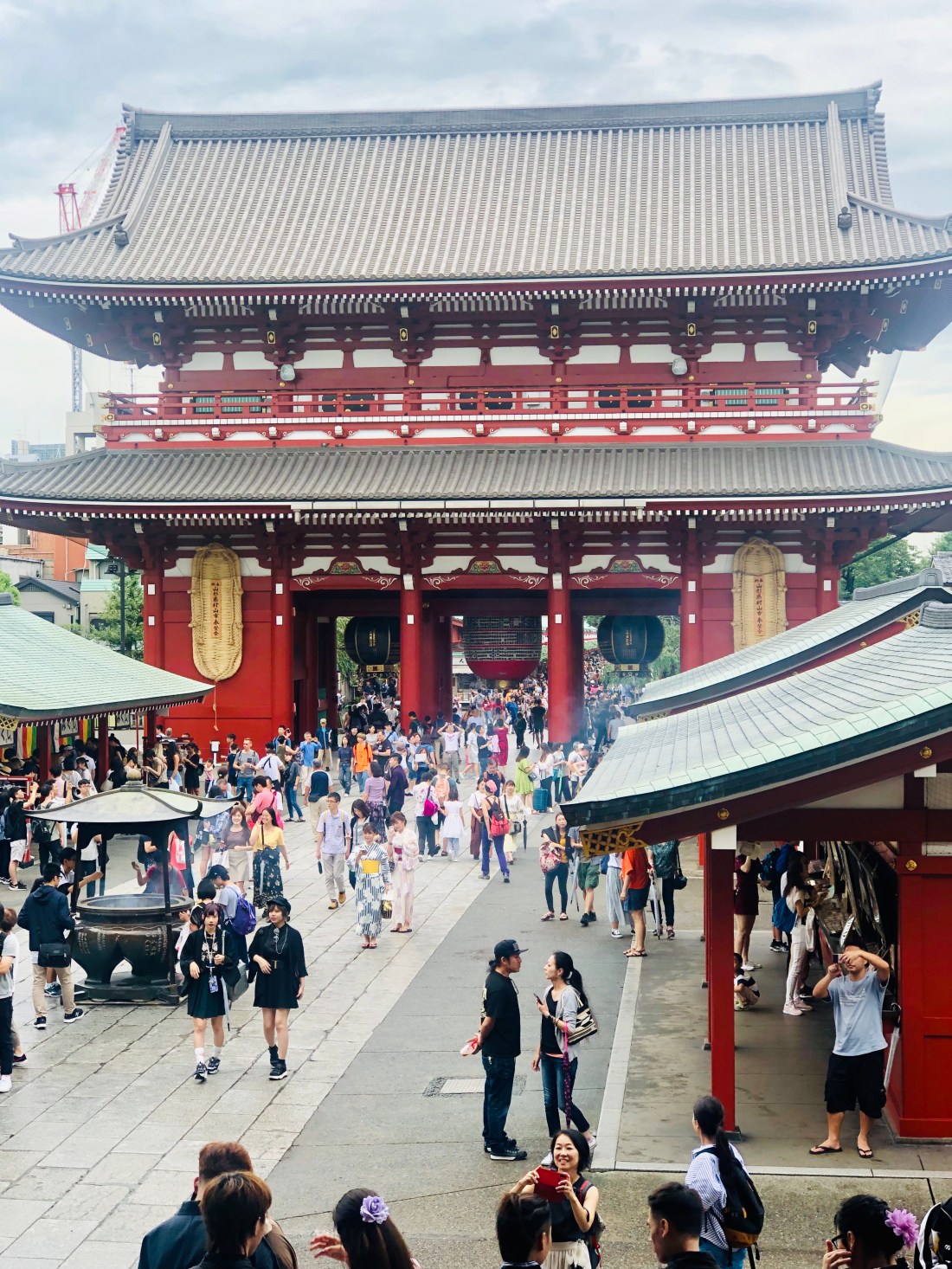
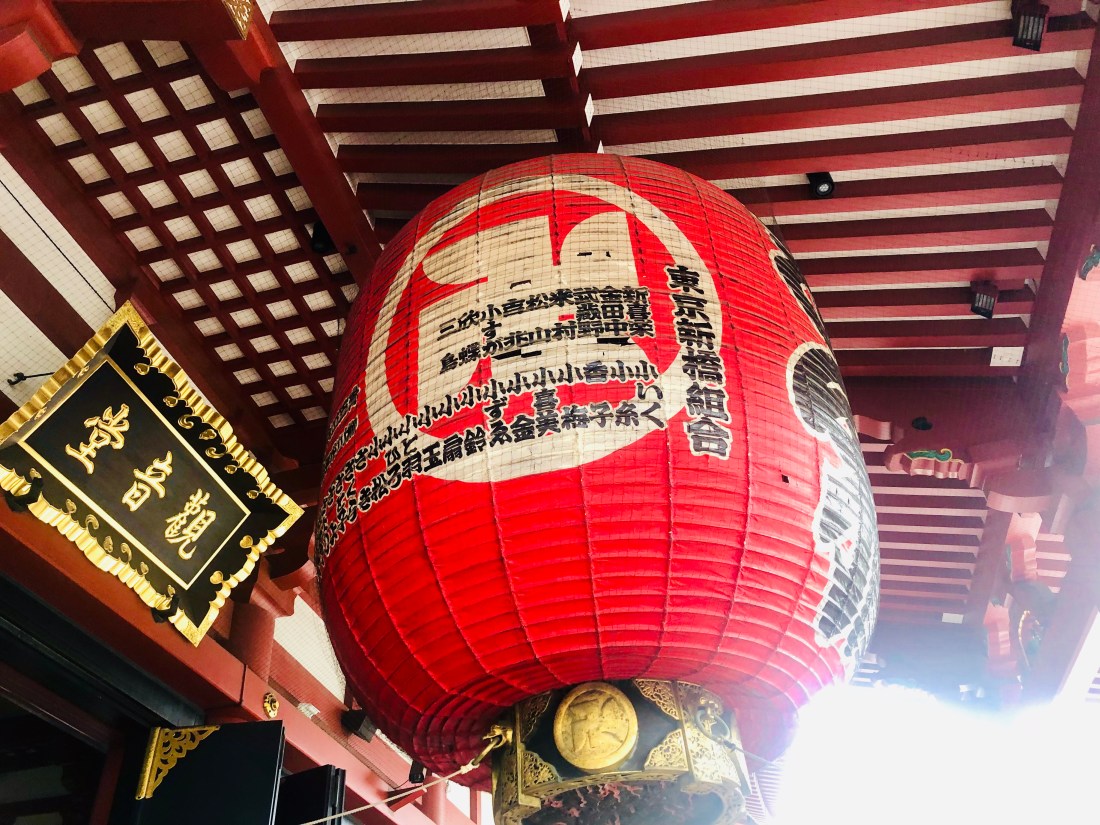
We visit The Sensoji Temple on our way back – except for the hords of tourists it feels like stepping back to a more ancient, Japanese time.
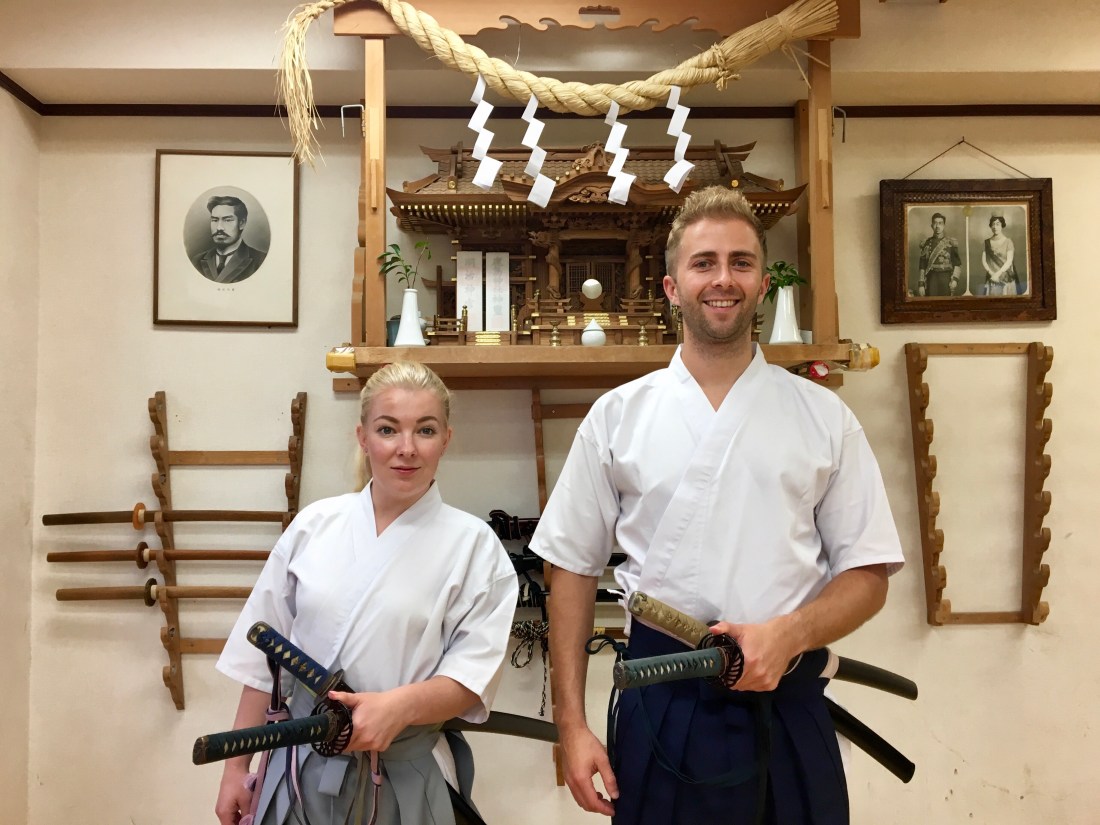
And whilst we’re talking about ancient Japanese times, it’s time to “up” our skills learning some proper Samurai moves! We book in with the lovely Yoshioko on a two hour evening course to learn Iai (sword), kendo (fighting) and tameshigiri (cutting). We couldn’t find any more comprehensive courses around, and it is totally worth travelling to the suburbs in Machida, West of Tokyo. You get to dress up in traditional uniforms, learn to master the skills and even get a certificate at the end! The highlight is mastering cutting through the bamboo mats – feeling like a true Ninja! Mission completed!
You can book in with Yoshioko HERE!
Saturday. It is the day of our last mission. Tokyo has to be completed by dawn. With our newly found Ninja-skills and slightly achy shoulders we head out for our last day of craziness.
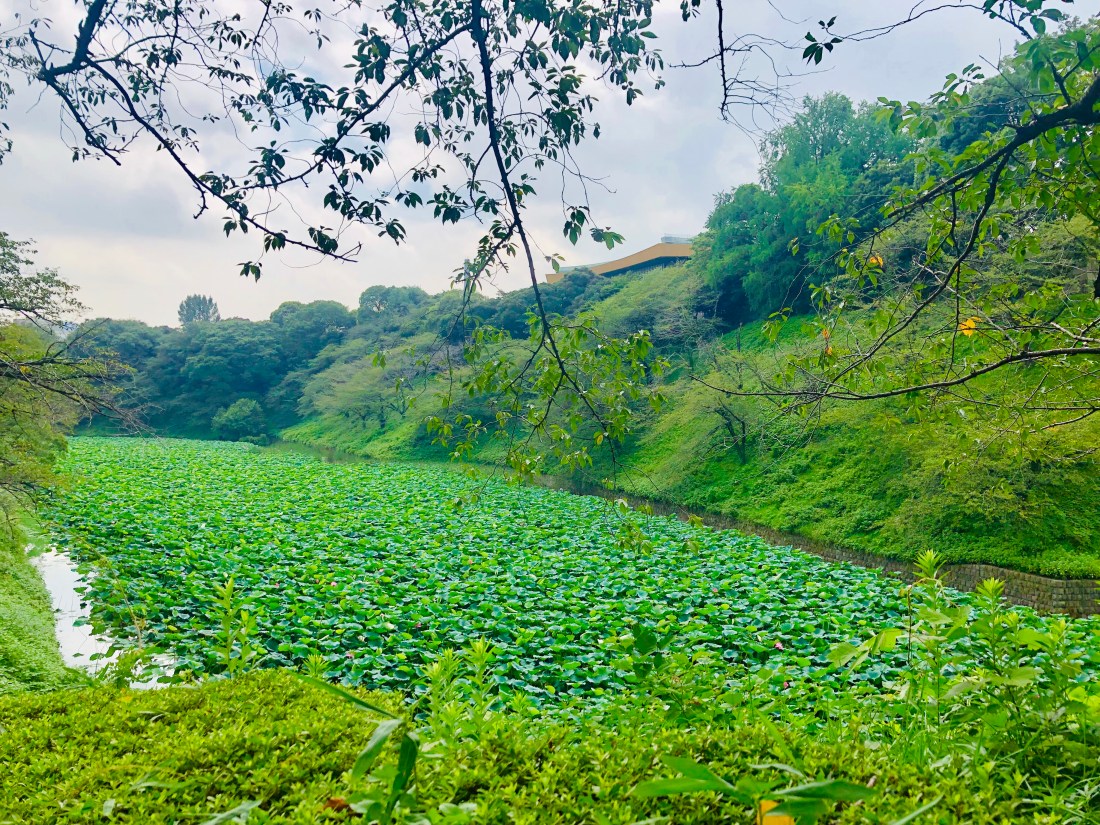
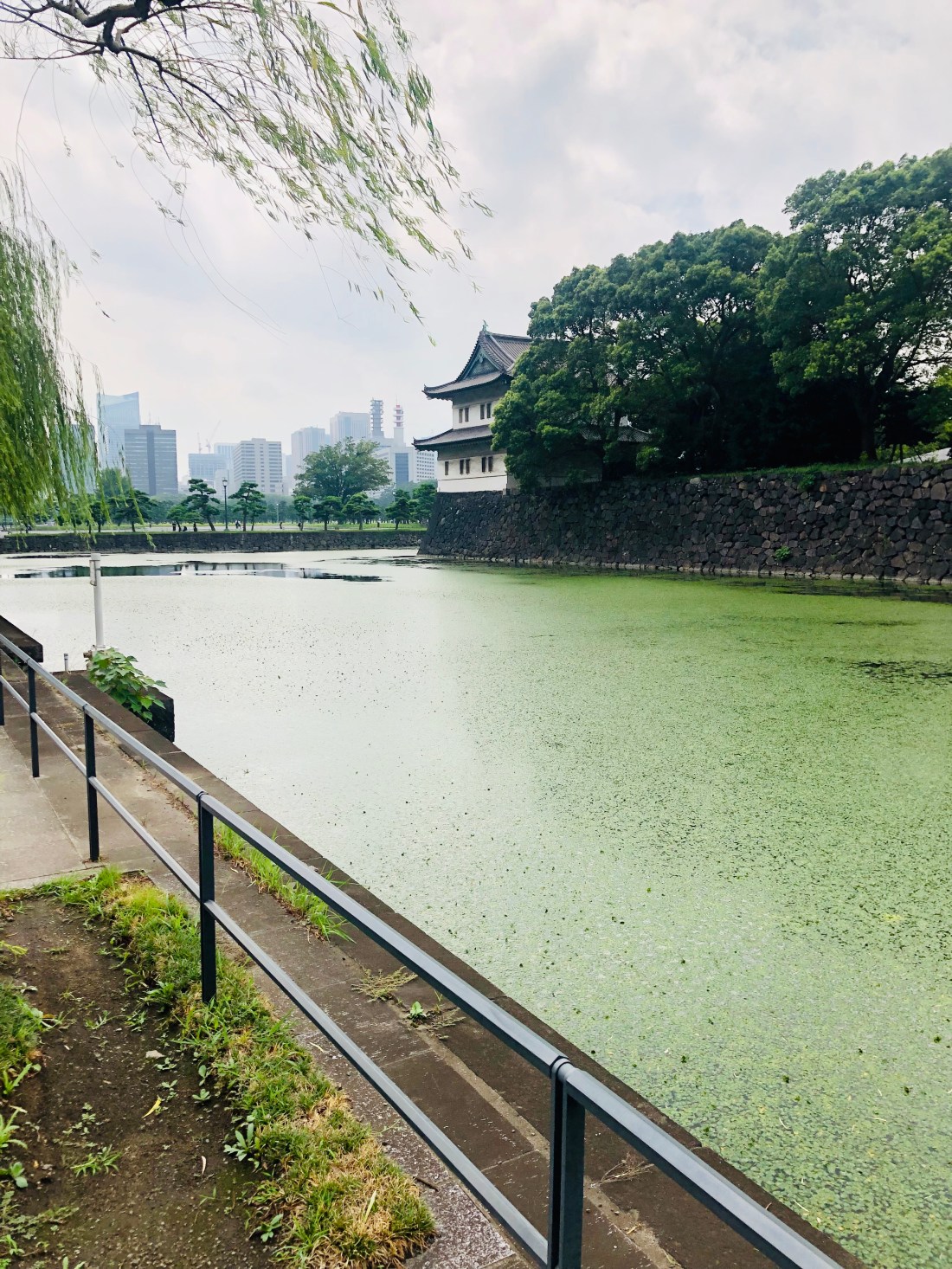
We start by making our way to the Imperial Gardens Chiyoda. This is a large park forming the grounds of the Imperial Palace. We started walking from Kudanahita station, but this is a long walk, and I would recommend getting into Sakuradamon instead, as we met many closed paths and ended up missing the times to actually see the Imperial Palace properly. Regardless, the park is beautifully landscaped and certainly worth a visit.
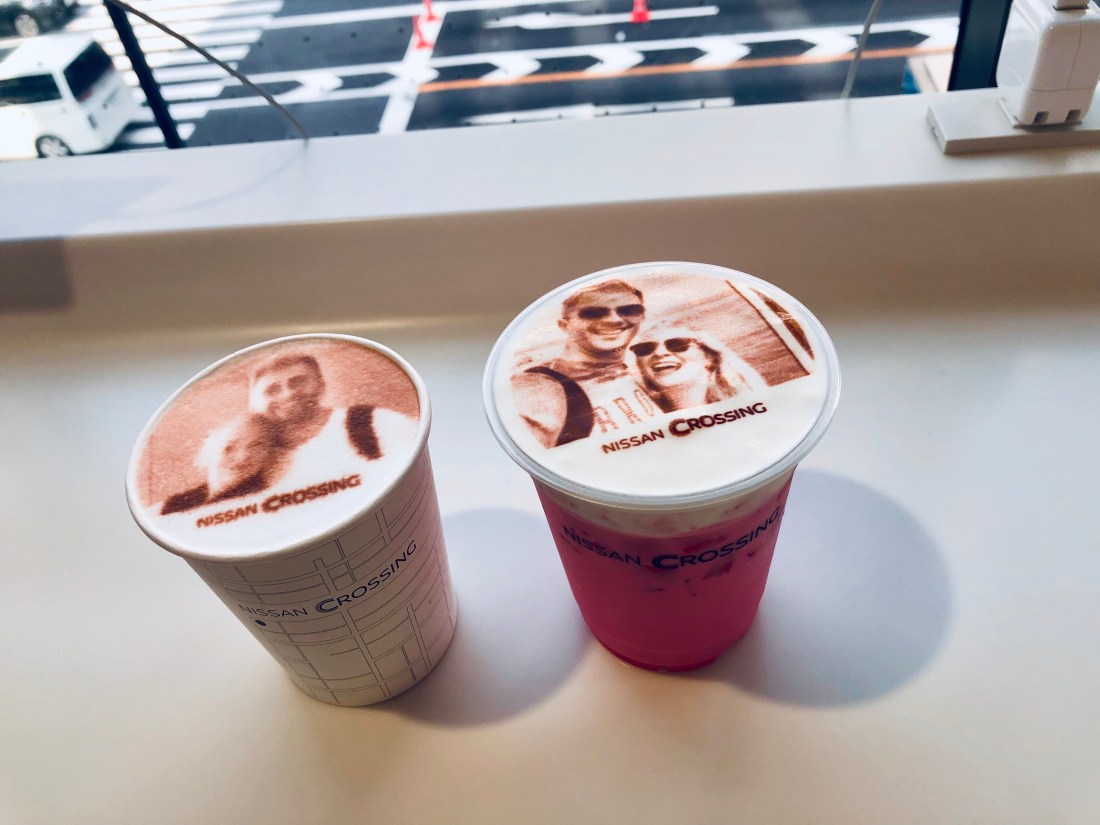
From Chiyoda we travel to Ginza. Ginza is the “Knightsbridge of Tokyo”. You will find all the top fashion brands here as well as upmarket department stores. Start by visiting Nissan Crossing. Not really for the cars, but for the picturesque lattes on the first floor! At the café you can get your face printed onto your coffee!
If you’re a tech-geek, you might enjoy visiting the Sony head quarters on the upper floors as well. This is where you can find the latest robot technology and even robot-pets for kids.
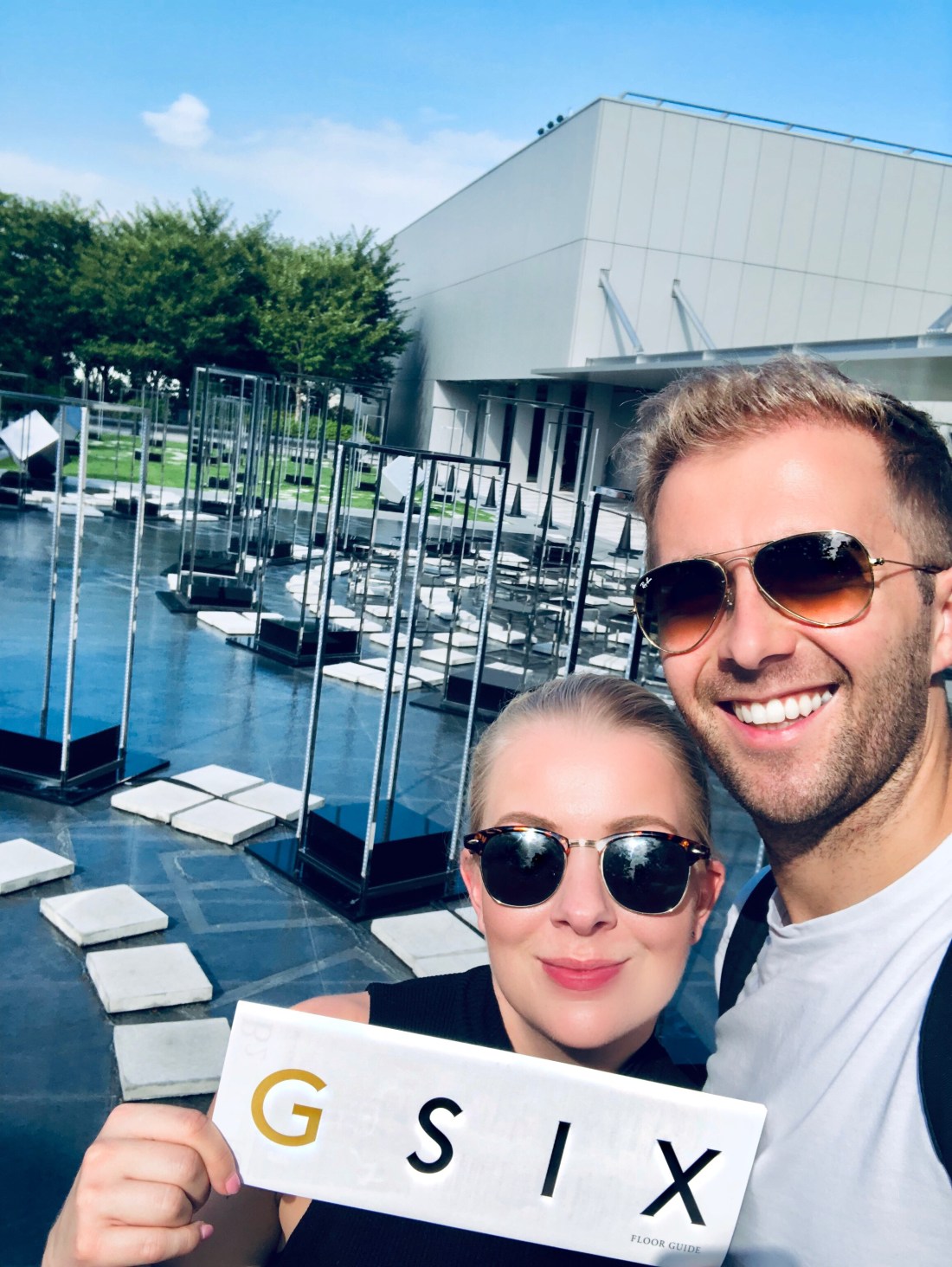
From here, walk to Ginza Six to explore their lovely top floor roof garden with views over Ginza. There are plenty of restaurant options here as well, including some Japanese afternoon teas.
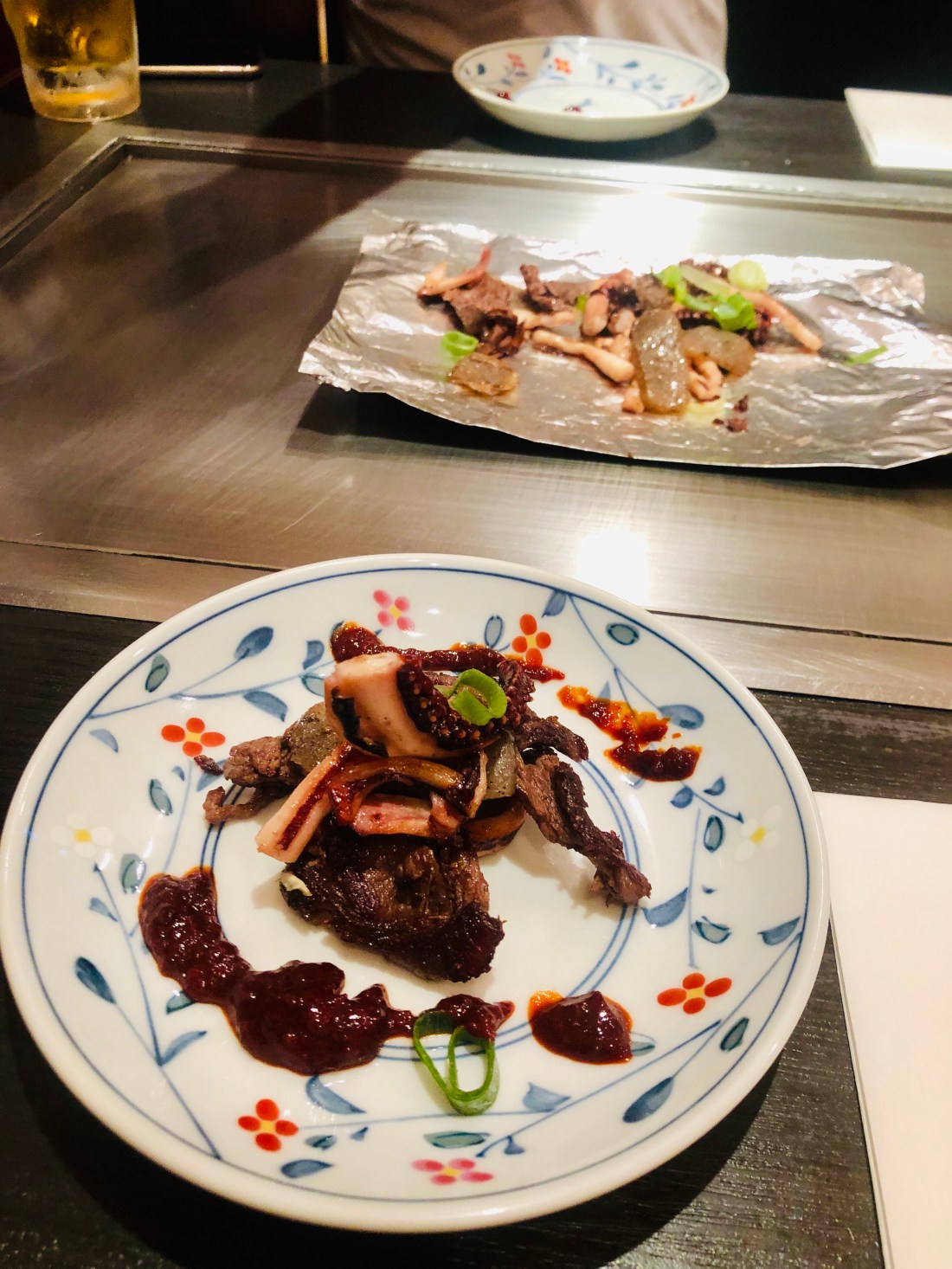
We had a lovely teppanyaki lunch on the restaurant floor of Matsuya before we headed down to the basement foodcourt. This is a must-see and the perfect plaze to buy sweets, snacks and sake to take home. If you haven’t yet tried Mochi and Yunkan, now is your chance!
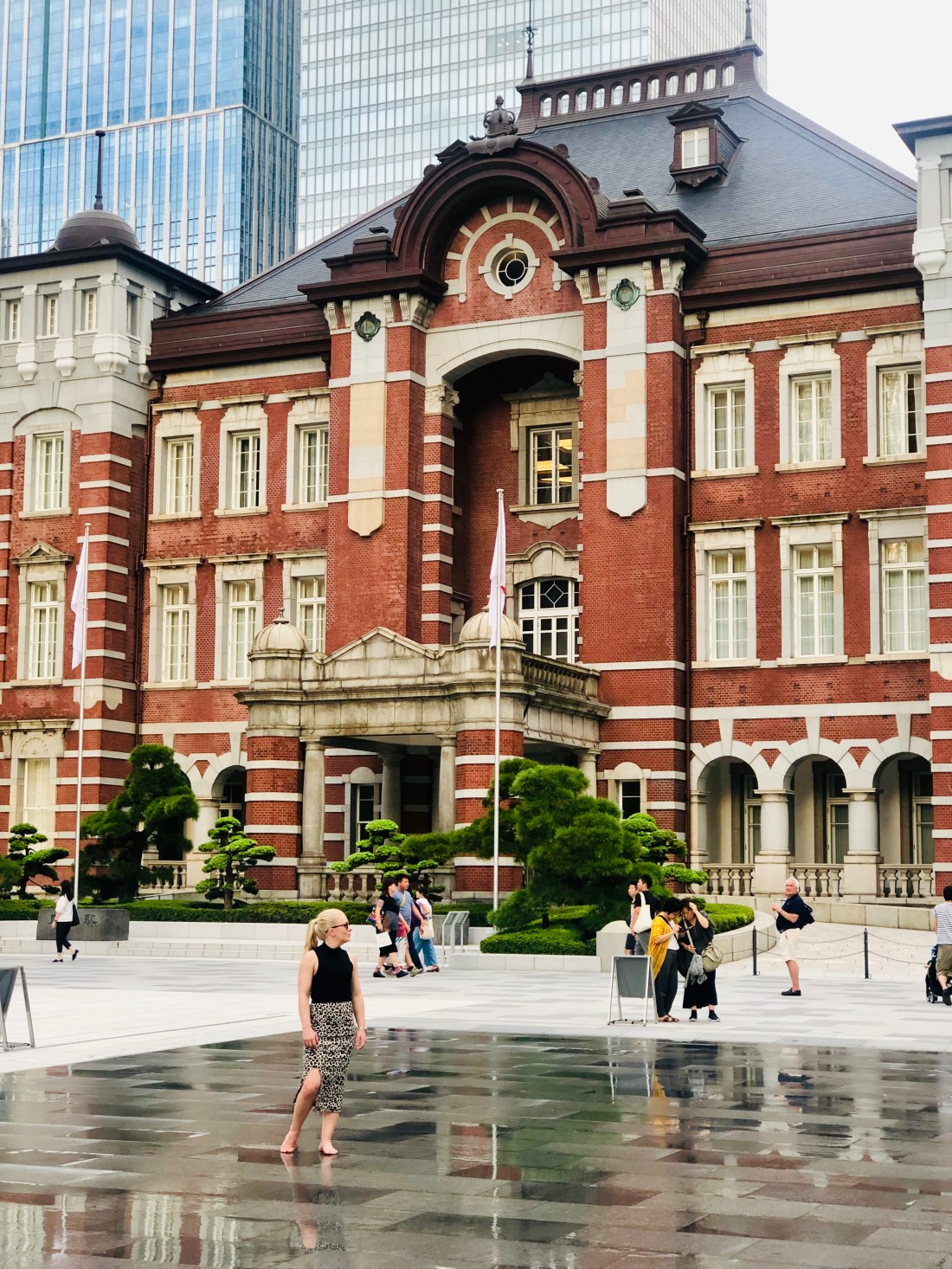
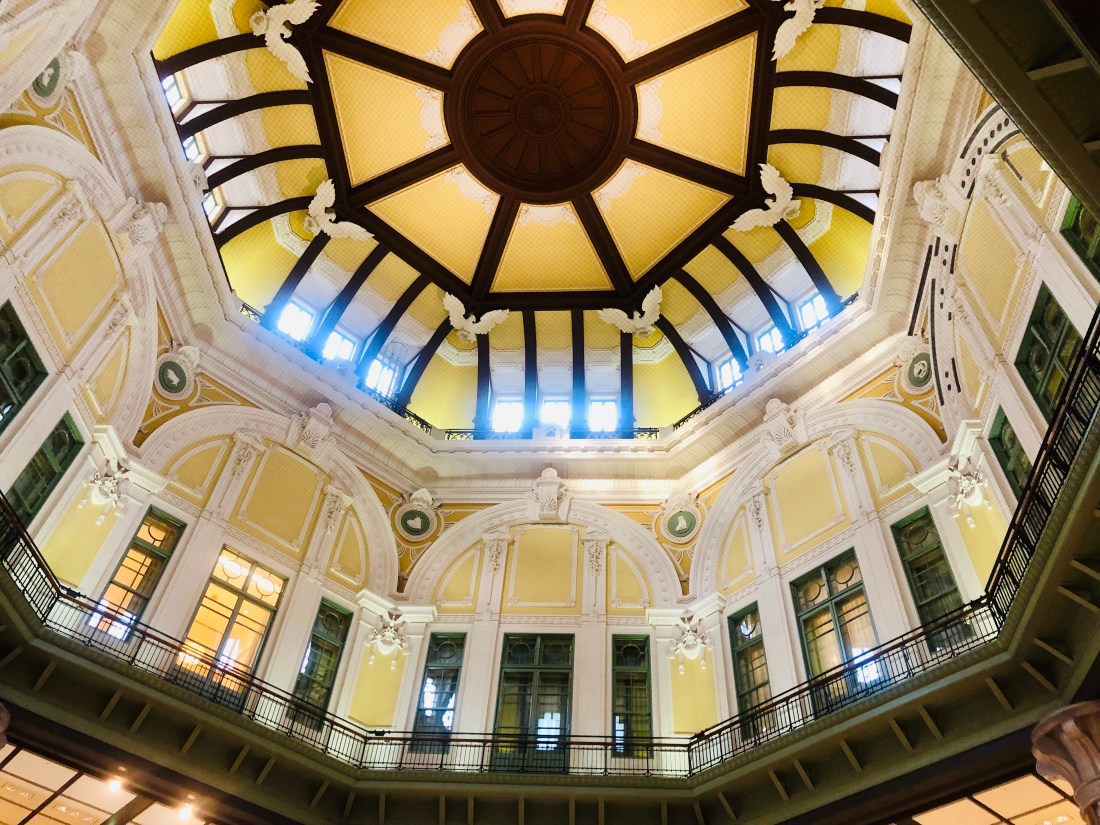
From here, walk to Tokyo Station, a scenic train station in a more colonial style. We had a flight to catch and therefore couldn’t stay around for long, but this is also a great area for small restaurants. We got recommended Rigoletto in the Maranouchi building, but never had the time to go. It has a great view over the station! Do let me know if you try it out!
We didn’t manage to complete all the levels, but got enough stars for an eternal save on the memory card. My power level is critically low. I actually fell asleep on the metro to the airport. Game over.
STAY:
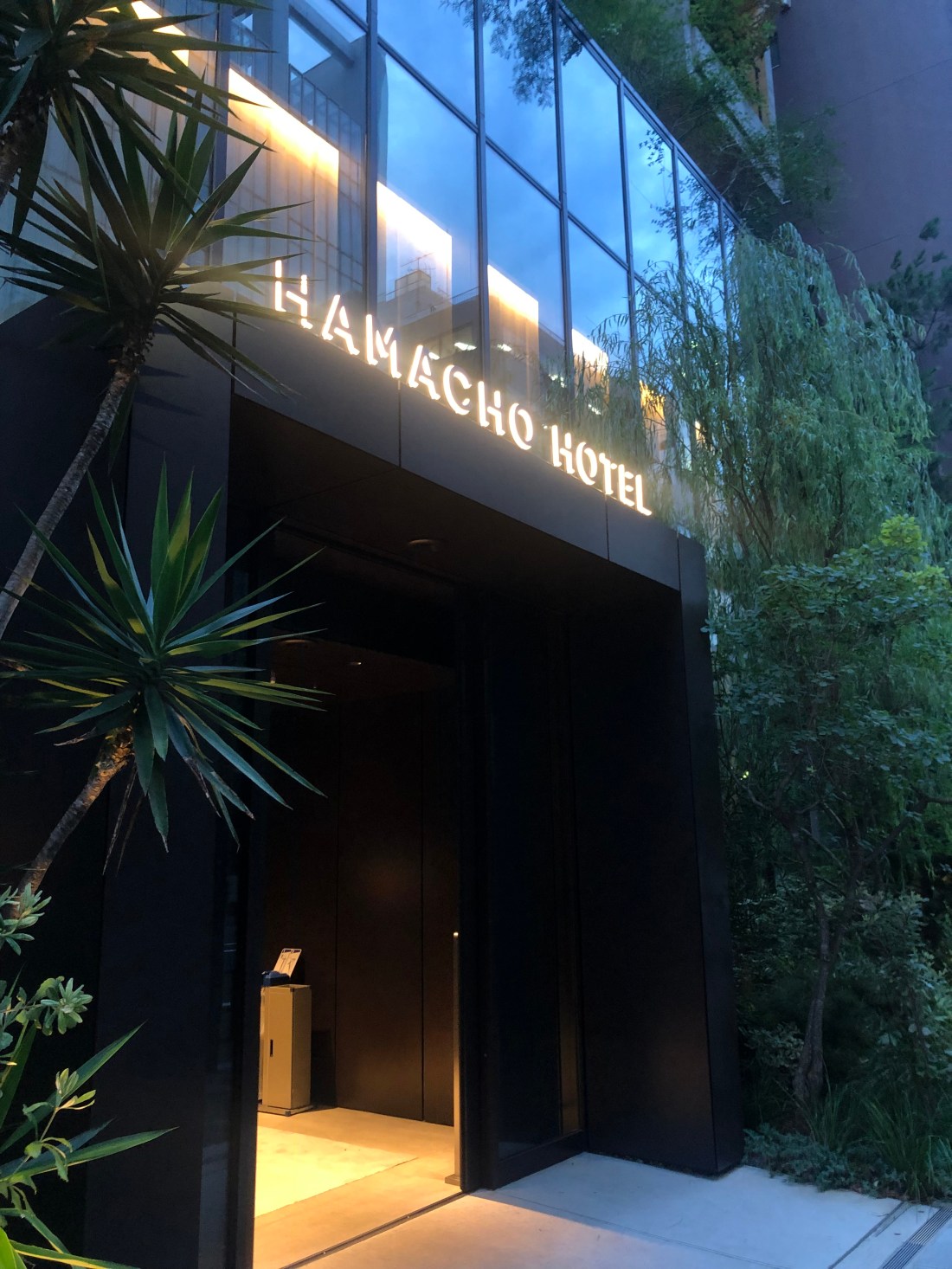
We stayed in the lovely, quiet neighbourhood of Hamacho, in Nihonbashi – the business district in Central/East Tokyo. Hamacho Hotel only opened this year, and it is modern and sophisticated. We got a great rate as it’s not “tourist central”, but I highly recommend it. It was a blessing coming back to this area’s quiet streets after a long day on our feet. Make sure you buy a Pasmo or IC card (equivalent to the UK Oyster Card) and you can easily get around everywhere. The metro is very practical and Hamacho Hotel is in walking distance to 4 different lines as well as the airport bus station.
TRAVEL:
Qatar Airways fly to Tokyo Narita and Haneda from Oslo and London, via Doha.

 Scandi Gourmet Girl