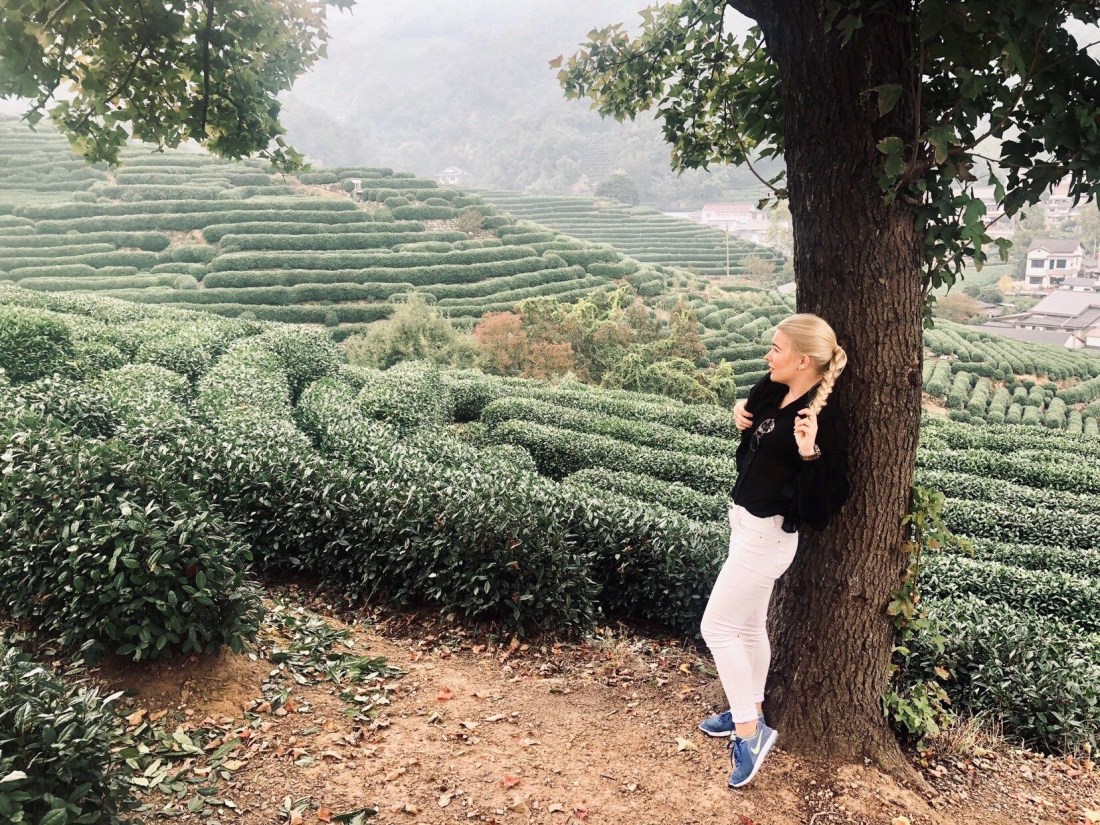
Hangzhou – the capital of China’s Zhejiang province. Only an hours train journey from its big sister Shanghai, this is a modern city claimed to be one of China’s major historic and cultural spots with history traceable back to the Qin Dynasty 2200 years ago. Hangzhou is surrounded by stunning natural beauty as well as two world heritage sites; the grand canal – stretching all the way to Beijing – and the West Lake with its temples, padogas, pavilions and traditional boats.
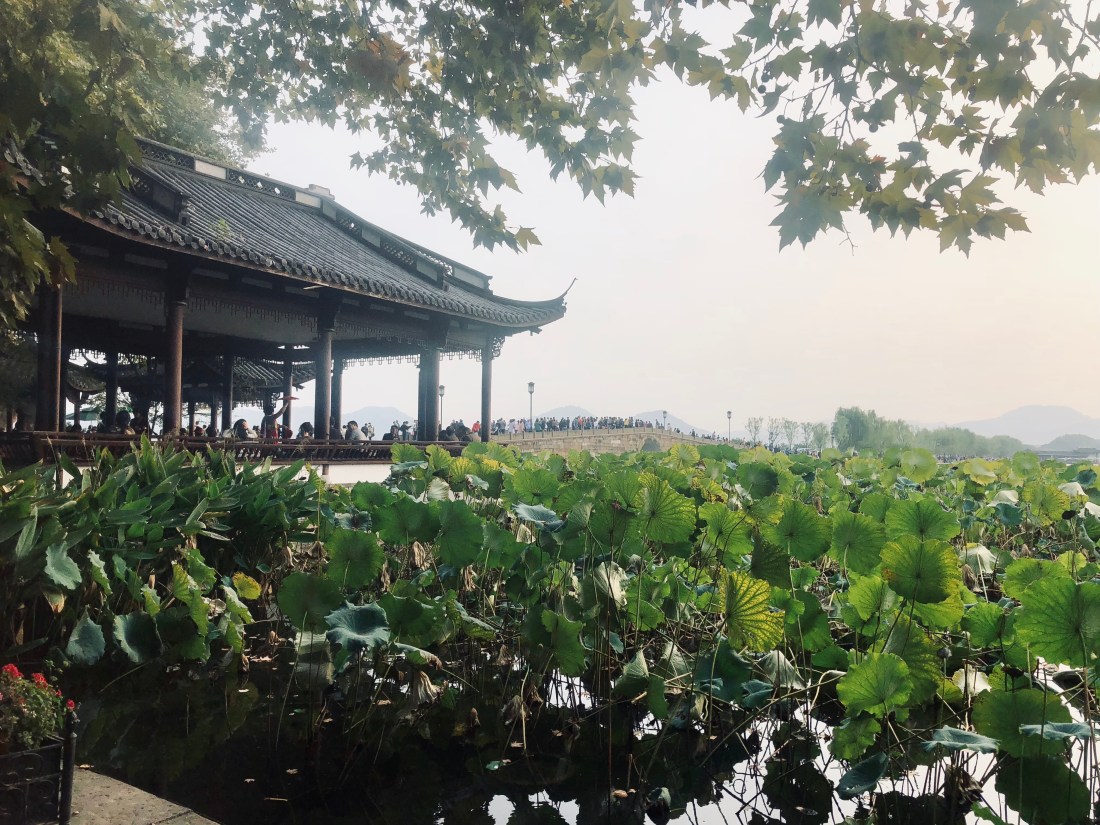
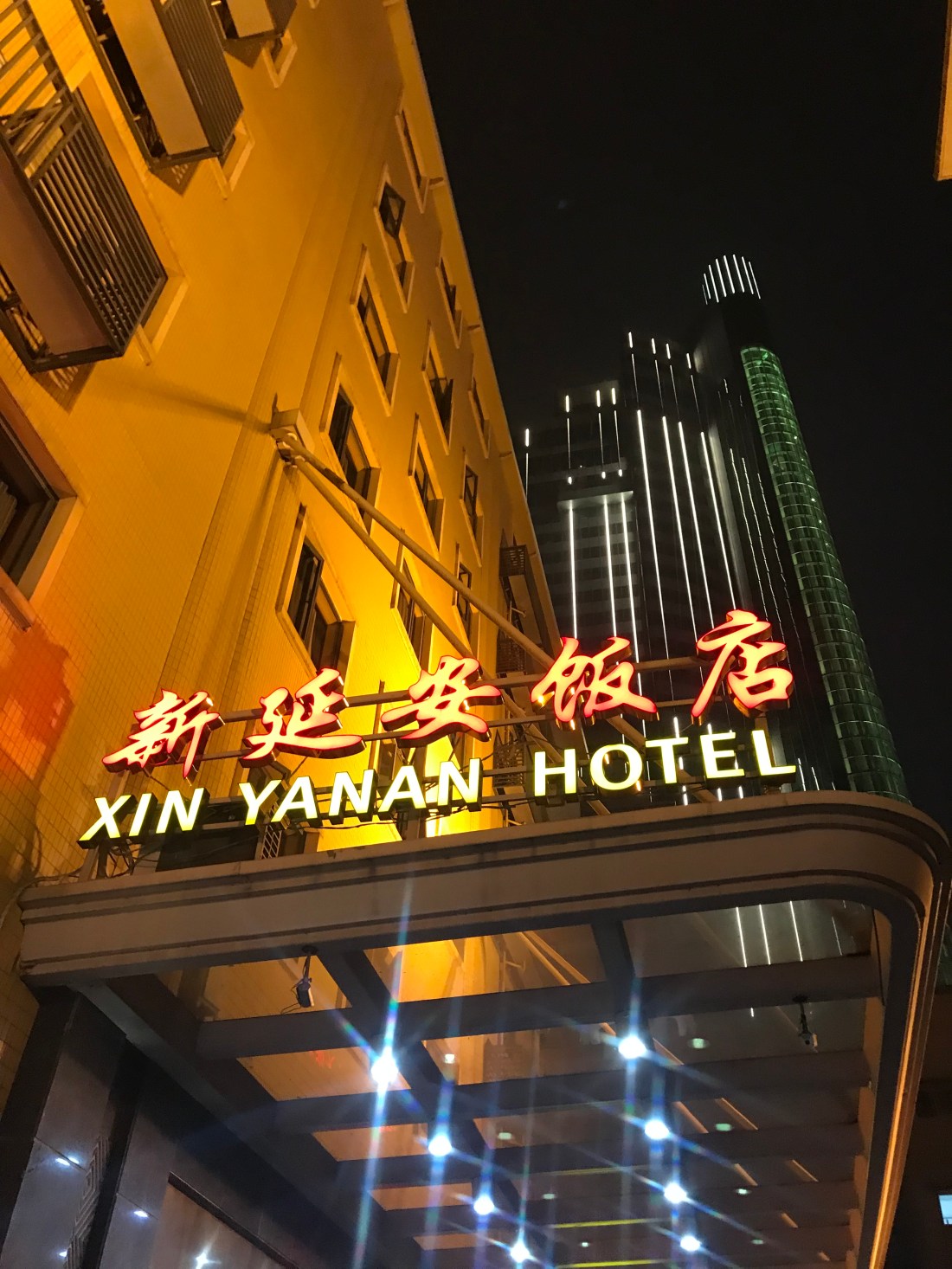
The city is a perfect merge of modernism and more traditional Chinese styles with skyscrapers, neon lights and International brands contrasting the traditional tea plantations and silk markets with its two floor houses.
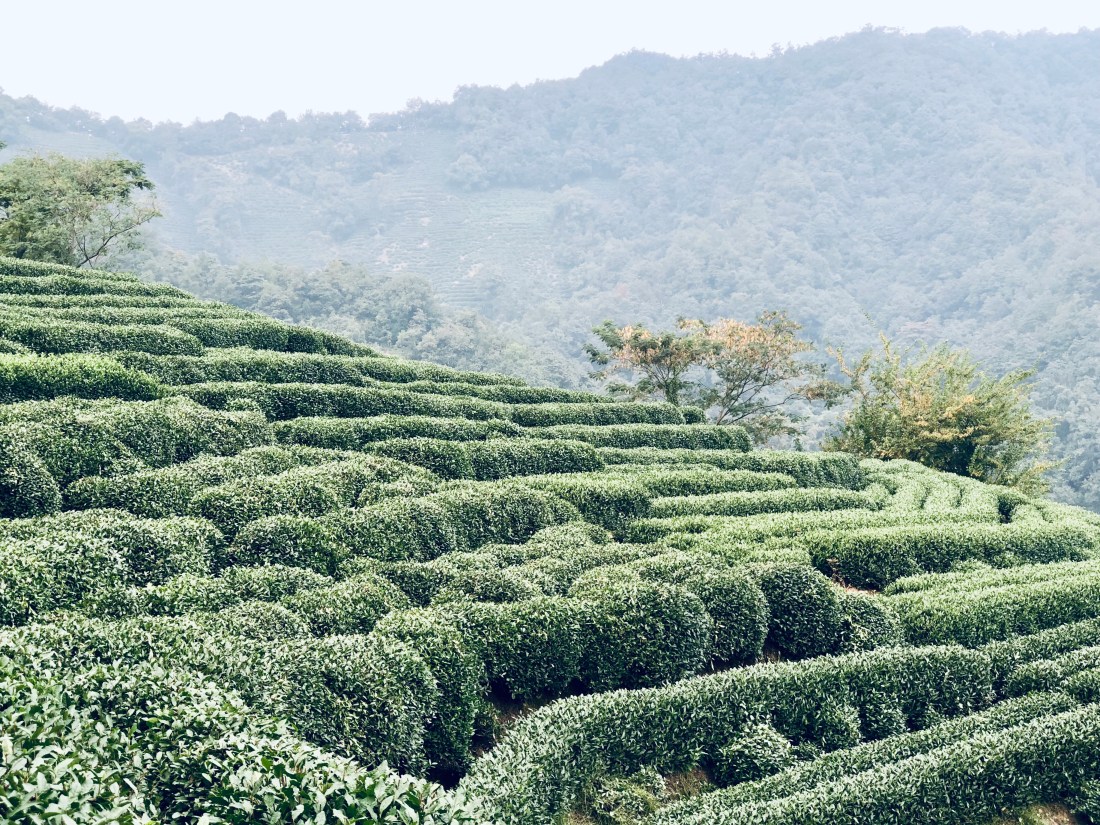
Start your time in Hangzhou with a visit to one of the many Longjing tea plantations surrounding the city. Longjing tea is world famous as one of the best teas in the world and has also given Hangzhou its nick name “The tea capital of China”. Chinese people take trips from Shanghai just to purchase this delicious green tea. Hire a taxi (which is harder than it seems in Hangzhou!) to drive you the 20-30 minutes journey from the city centre up the mountain side. There are also regular buses. We visited in low-season, but most of the year, you can book day tours letting you be a Longjing tea picker for a day, also teaching you how the tea is produced from seed to ready-to-drink product.
We let the taxi driver drop us off at the bottom of Longjing Tea Plantation’s fields (but be aware there are many different ones, all growing Longjing tea) and started walking. There are tea-fields as far as your eye can see, and the air is fresh, in contrast to the often polluted air in the city. These tea plantations are wonderful starting points for mountain treks, and there are plenty of different hikes to try for all abilities.
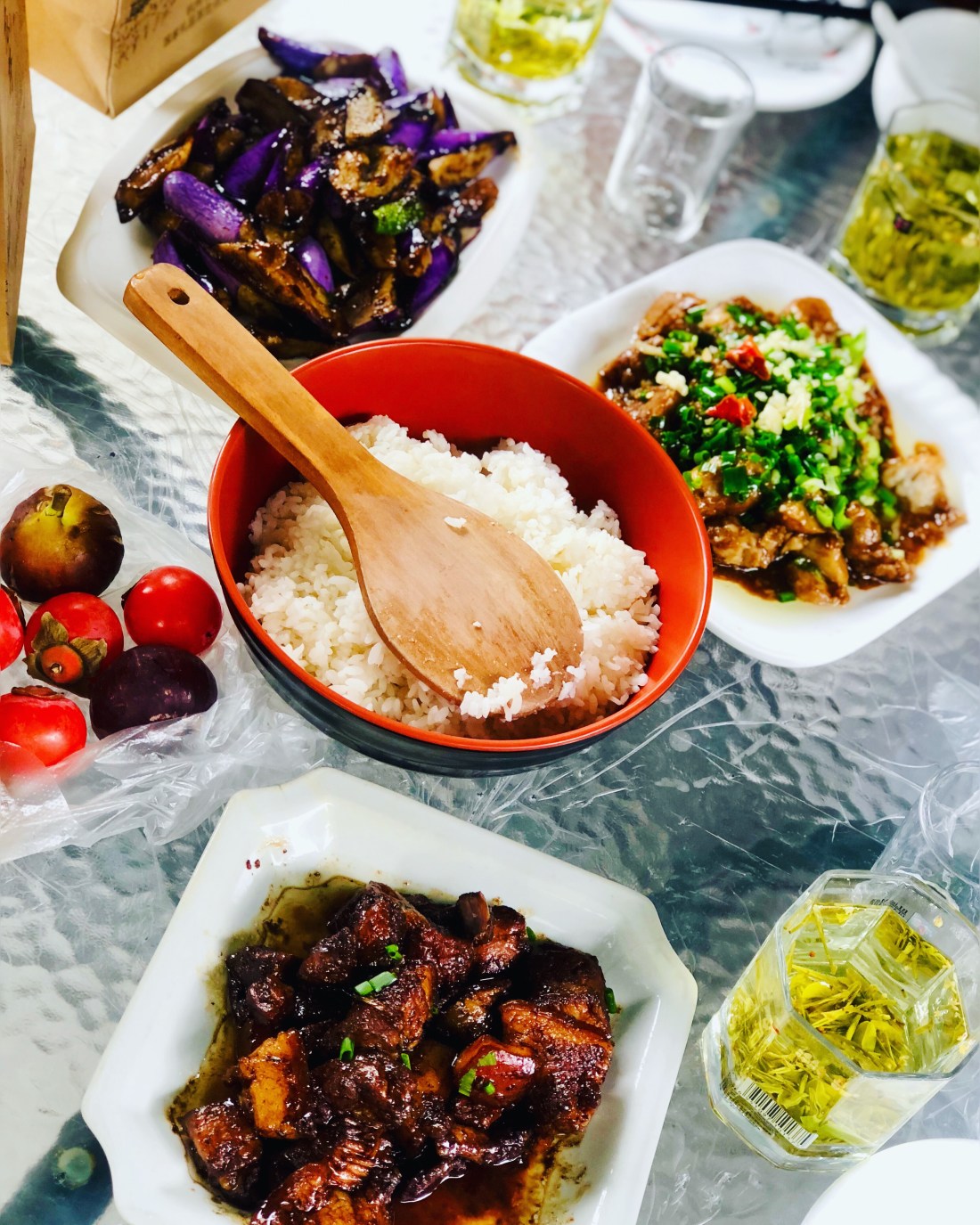
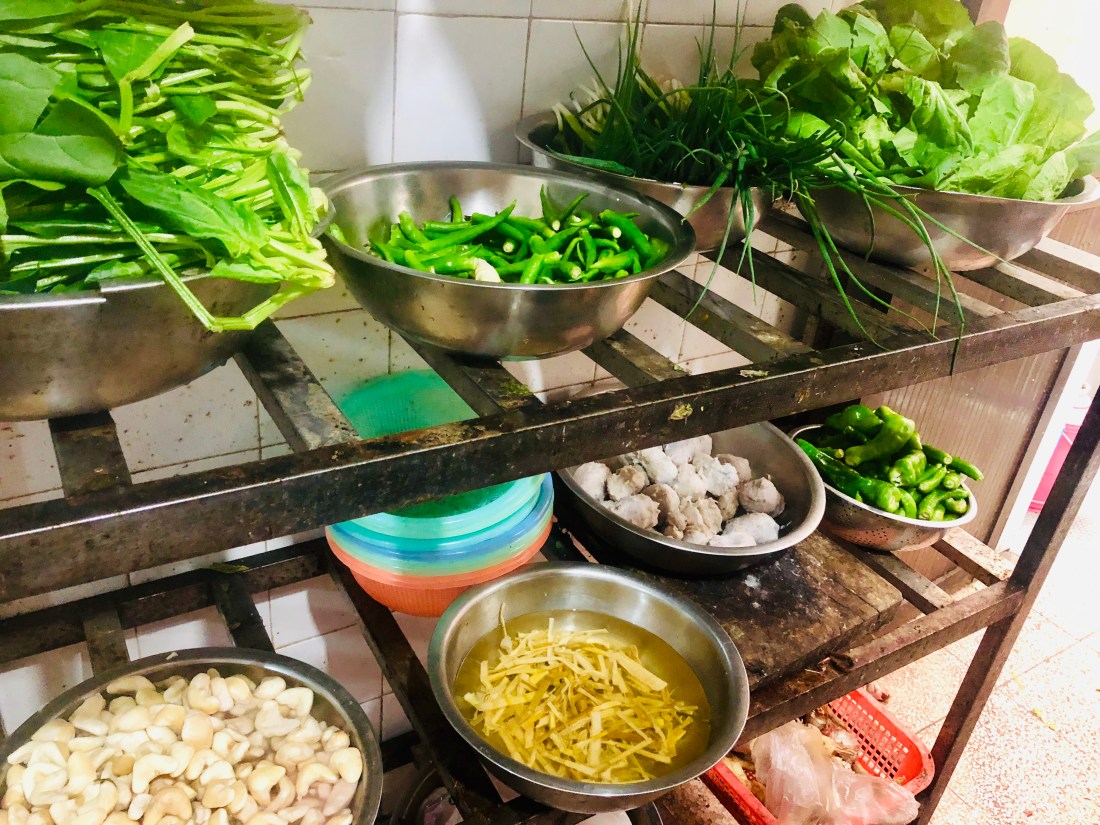
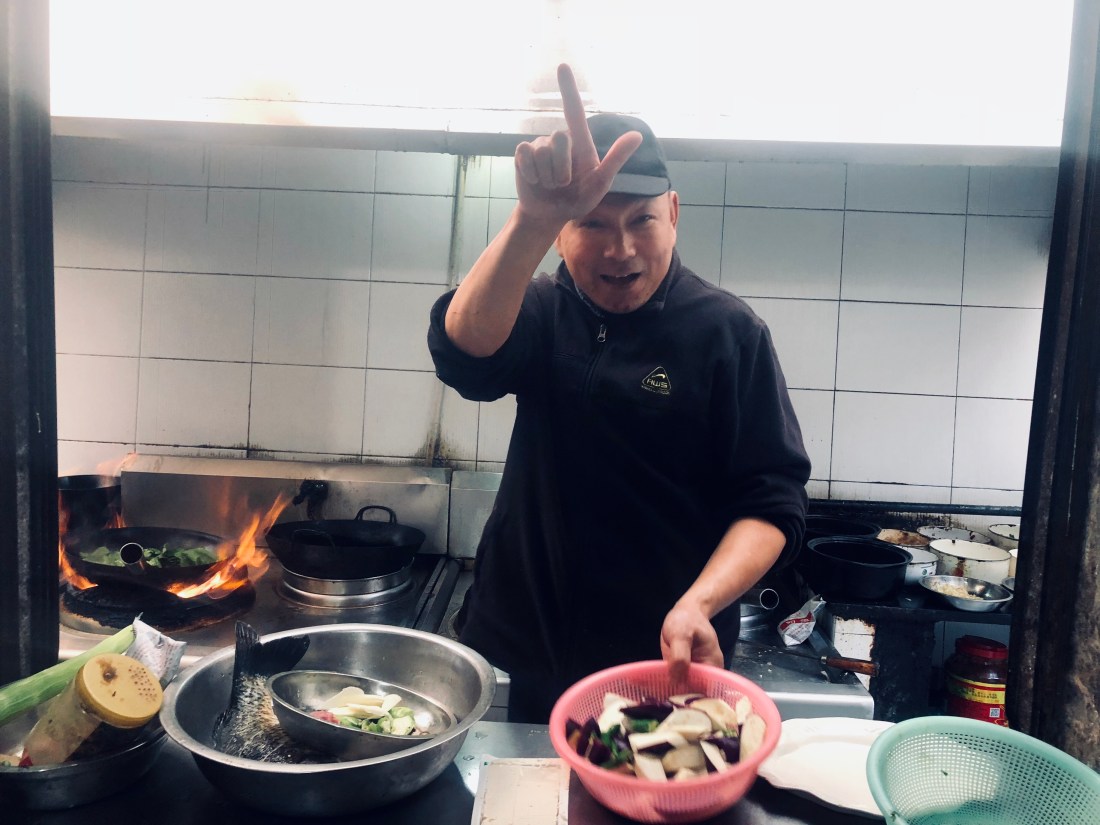
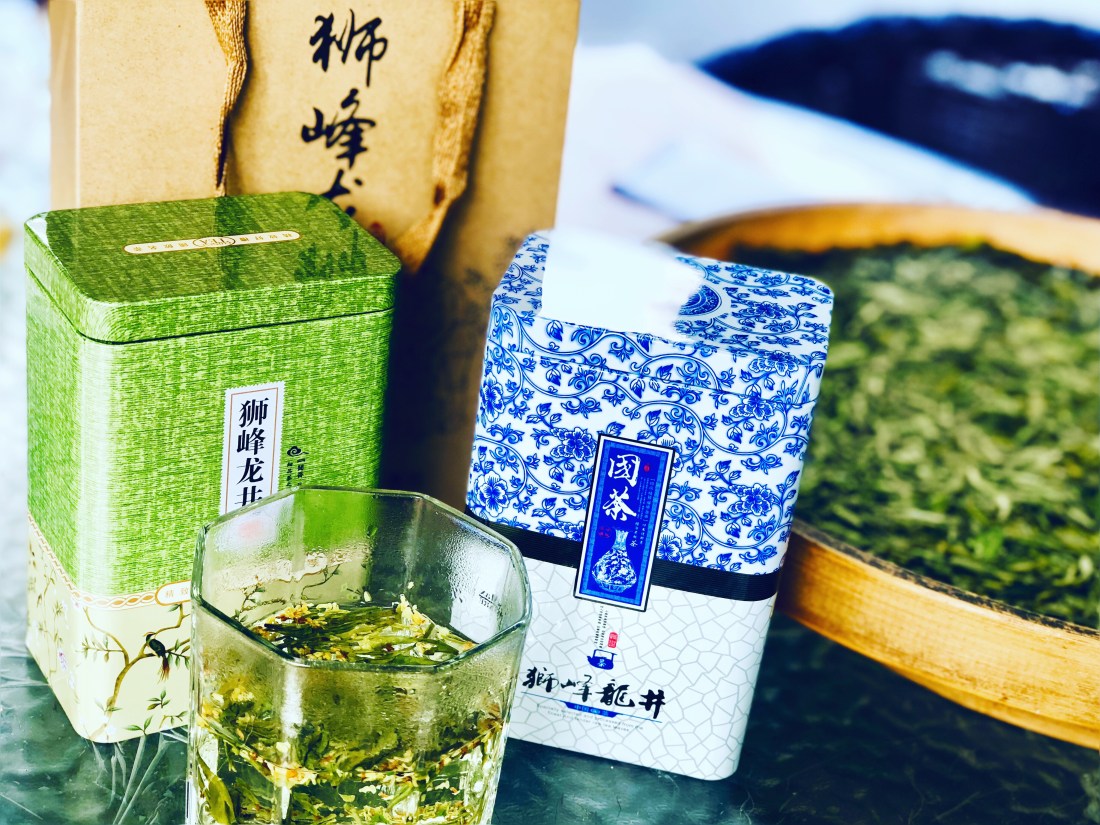
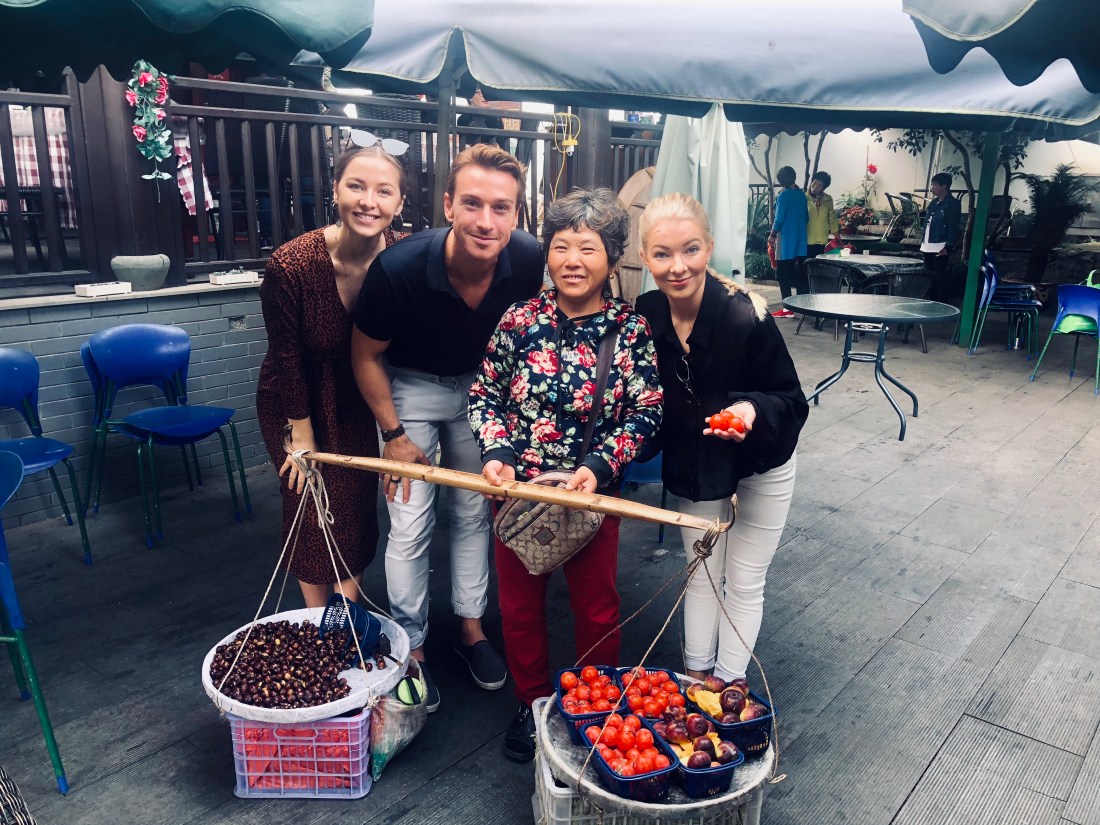
After an hours walk the hunger came sneaking and we walked to the first little local restaurant by the foot of the tea plantation. It seemed more like a local house with no signs and no menus. The staff did not understand any English so we were allowed into the kitchen to pick the produce we wanted prepared. It turned out to be the best meal I had whilst in Hangzhou. Incredible home cooking, amazing flavours and beautiful colours. We bought local fruits from a local seller for desserts as well as Longjing tea in gift boxes to take home. They brought out baskets of different quality teas to help us choose. The prices vary a lot – but I could not really tell a massive difference and went for the two cheapest option – however, I’m certainly no tea expert.
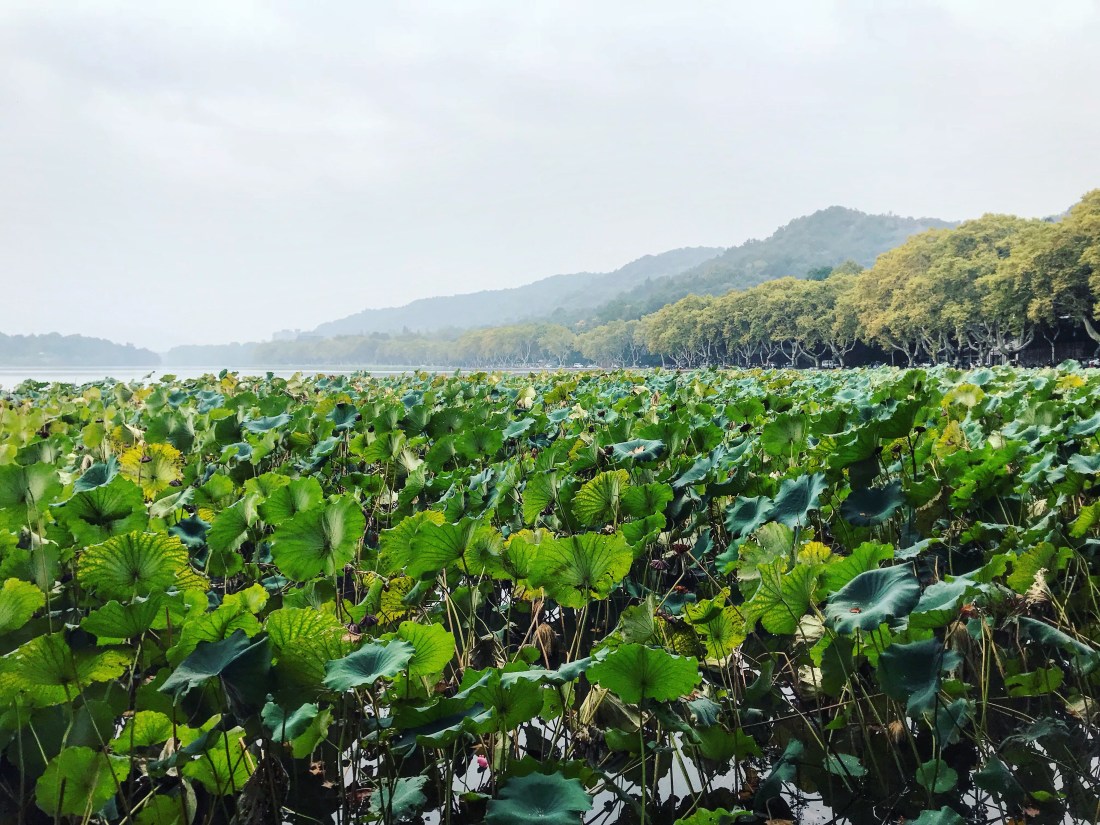
The way back from the tea plantations would be the perfect time to visit West Lake and maybe go on a boat trip or visit the temples surrounding the lake. The scenery is stunning and the atmosphere truly authentic.
Whilst in Hangzhou I was determined to try the traditional “Dongpo” pork pyramid, a local delicacy. It is a dish served for special occasions and only a few places will have it on the menu. I managed to secure a table at the Hubin restaurant at The Hyatt Downtown. It is one of the city’s nicest restaurants so make sure you book. I was lucky to get a table last minute only because I was on my own. I had a wonderful meal with lotus flower, Dongpo pork served the traditional way with bamboo shots and chestnut pancakes and green tea pannacotta for dessert, all accompanied by a local Chinese white wine from Ningxa Hellan Mountain.
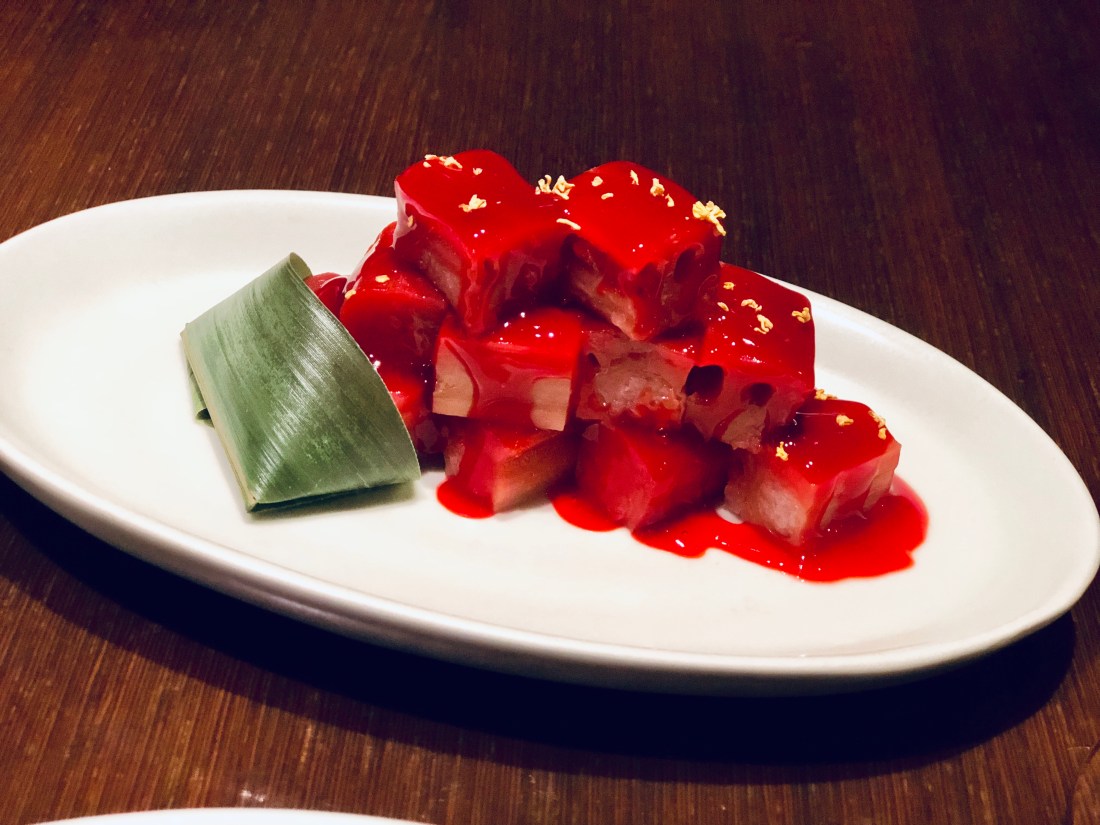
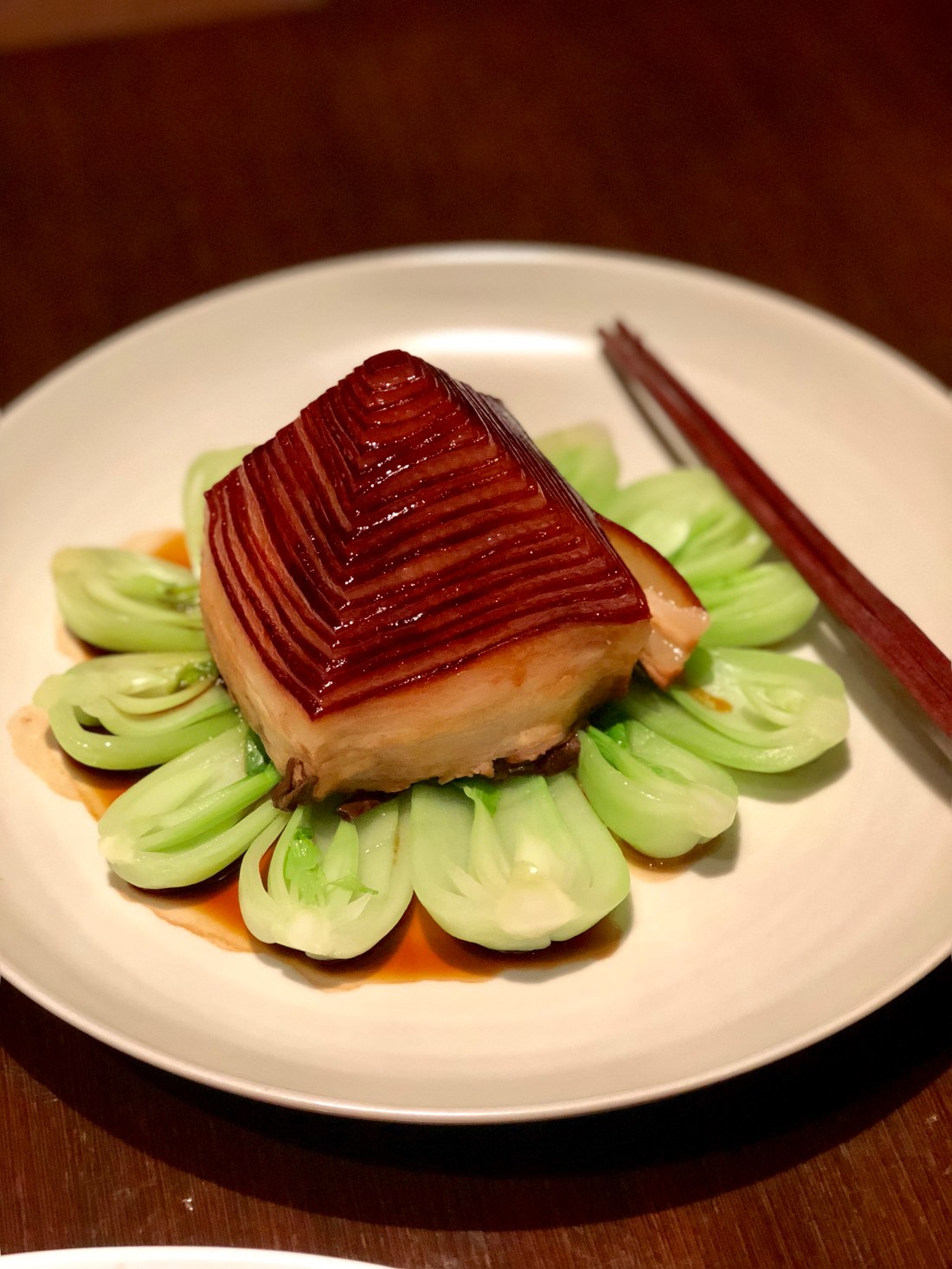
Be aware that the Dongpo pork is very “fatty”, so although it is an absolute piece of art and worth trying once it is not something I would order often. This was the most expensive meal I had in Hangzhou. The prices aren’t extreme, but closer to Western rates, which is worth knowing before you go, especially if you’re on a budget. The three course dinner set me back about £50.
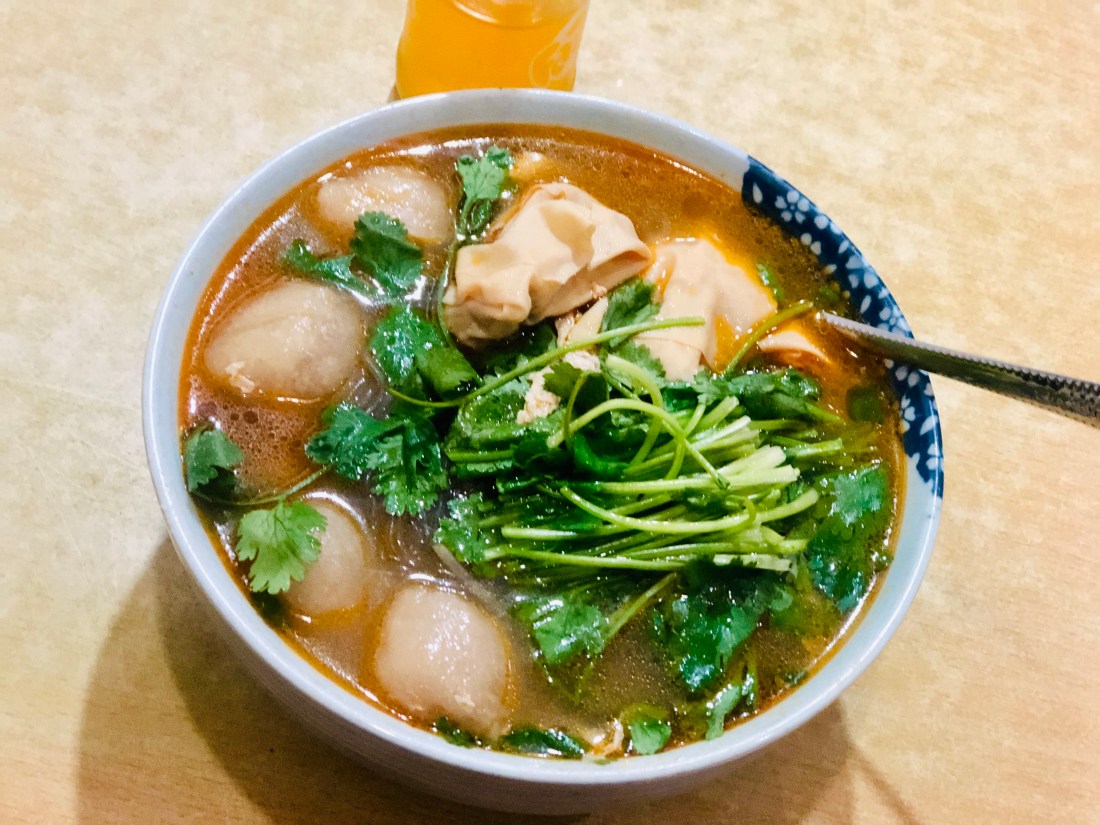
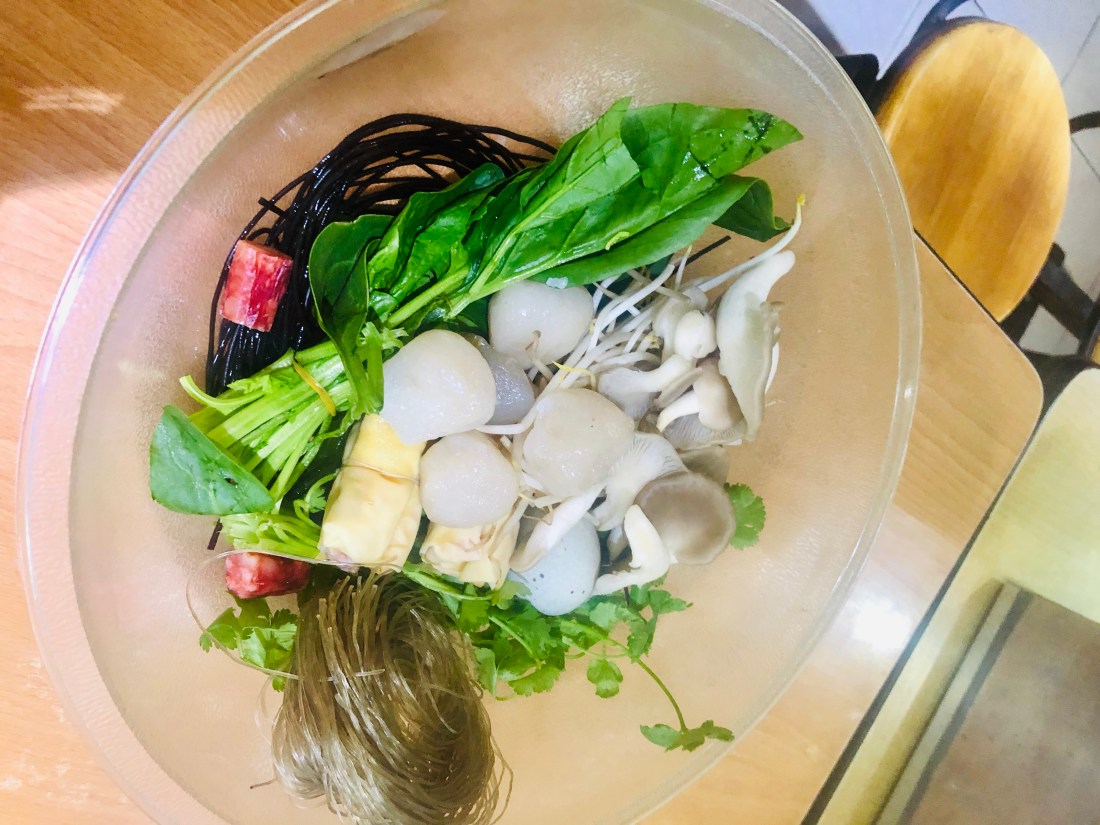
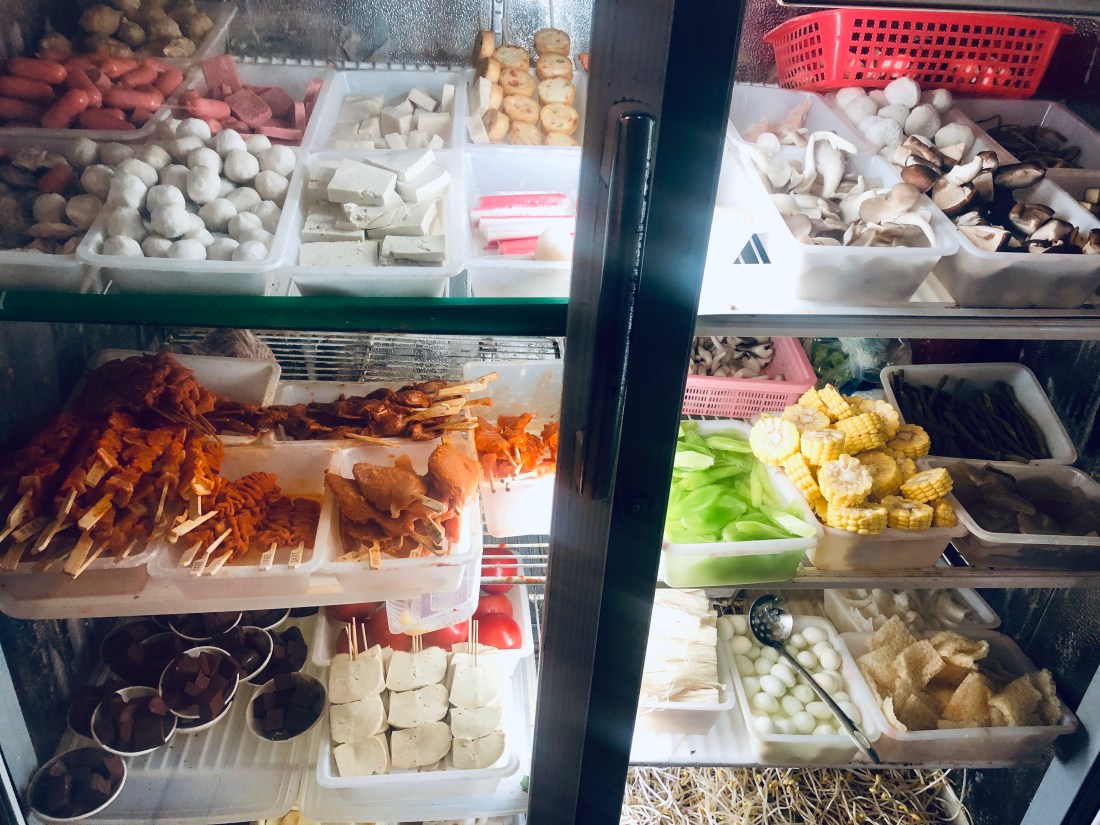
As a much cheaper option, you should try a traditional ramen. You can find small, local restaurants specialising in this all over the city. We found a great place near our hotel where, again, you get to pick the ingredients you want in your ramen from a large selection of produce: fresh vegetables, a wide variation of noodles and various meats and dumplings, which is then prepared fresh for you in the kitchen. Do you dare to try the black egg? Apparently this “Devil” egg has been preserved for months, making it black with a green yoke. It is not for the faint hearted, but it doesn’t actually taste too bad! Chicken feet are another special food you can get your hands on here. Again, not my favourite; there are barely any meat on them – but as a supporter of using the whole animal, I’m certainly up for it as a concept.
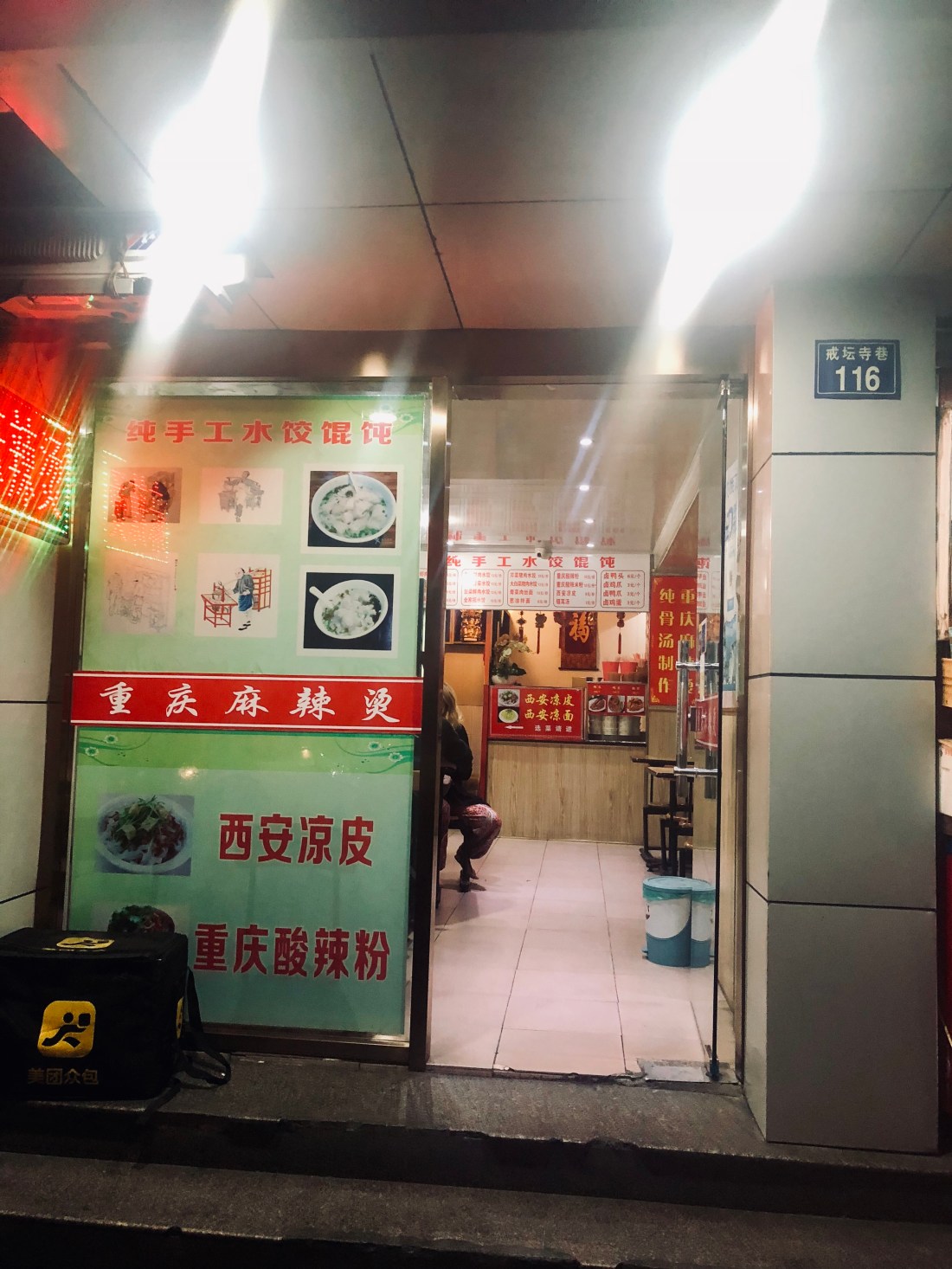
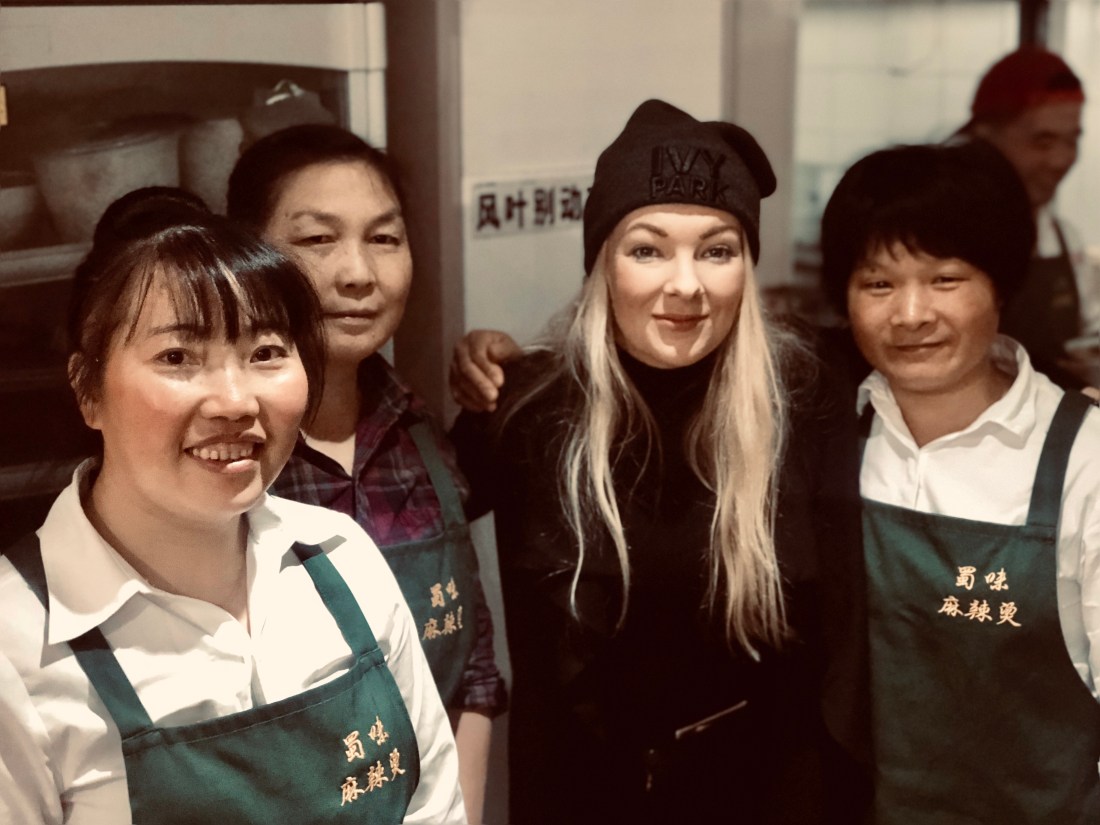
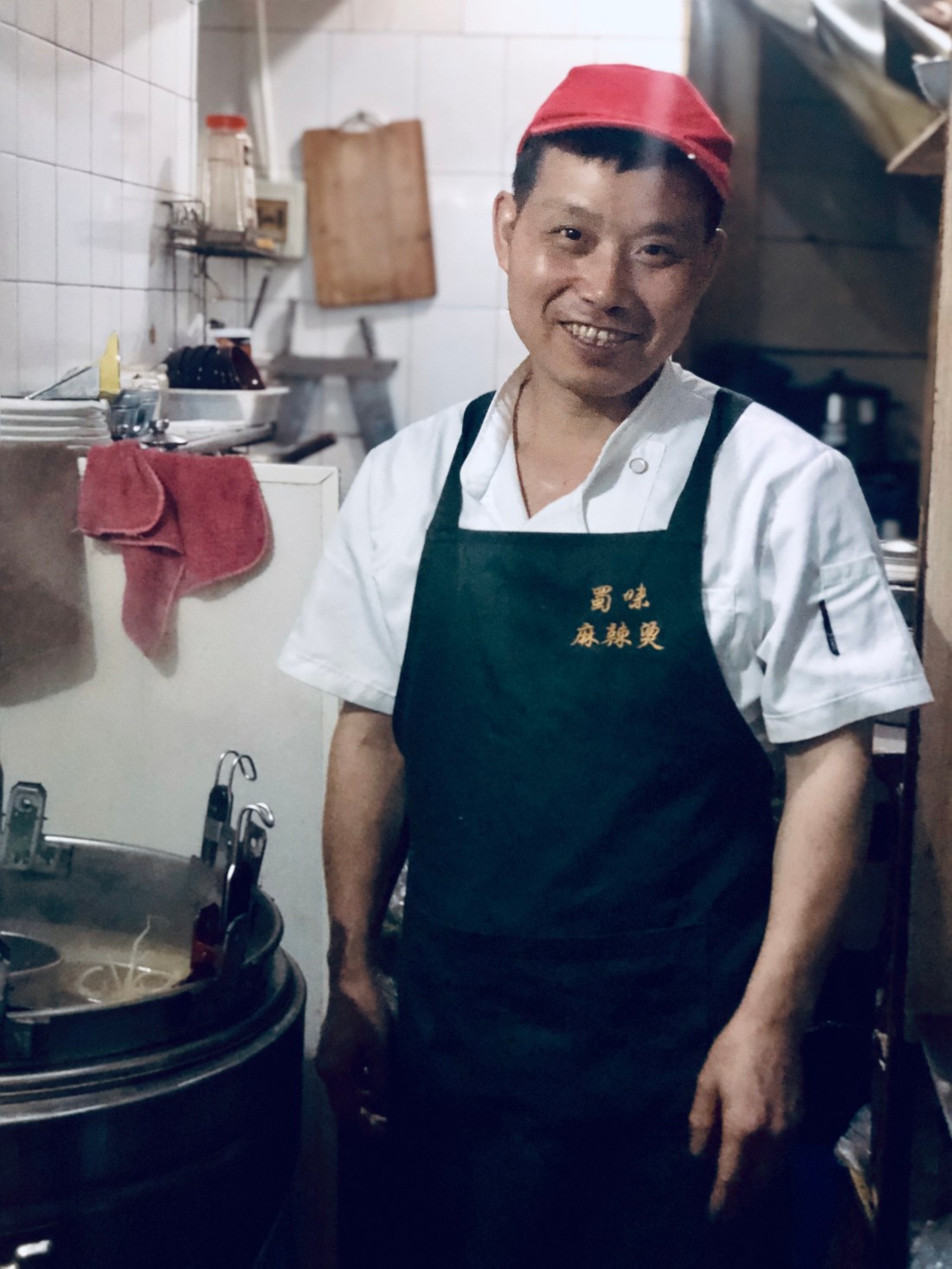
The kitchen staff and chefs were again very welcoming!
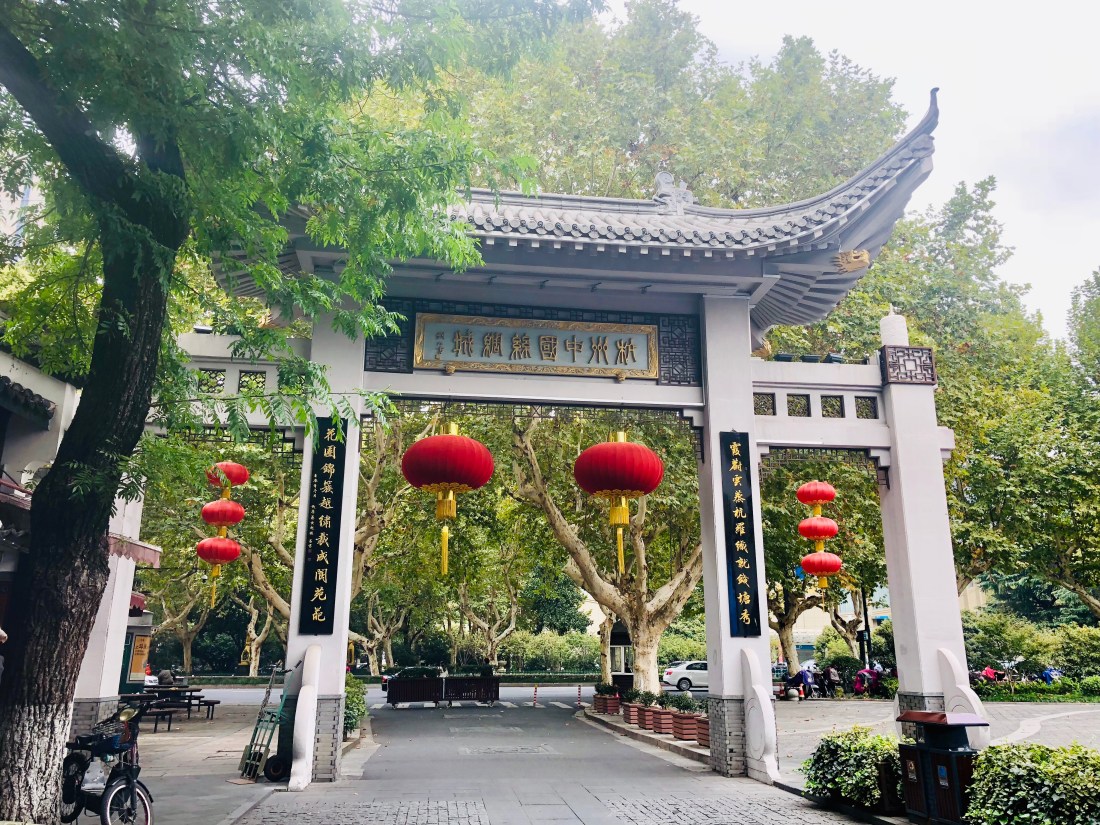
As a little break from all the food, visit Hangzhou’s Silk Street. A beautiful, traditional street with small shops all selling silk scarves and traditional dresses of varying quality. Remember to barter, and be aware that you can find similar products in many of the shops with varying prices. Pay a bit extra for the higher quality silk scarves – the cheapest ones seem like the pattern is printed on, and it probably is. At the end of Silk Street you’ll find the real Chinese clothing market in the lower wing of the shopping centre. An indoor factory outlet with extremely cheap clothes, and probably a lot of the clothes that are shipped out to Western countries. It is an absolute maze in there; make sure you hold on to your wallet! I felt a little uncomfortable thinking about where the clothes had been manufactured and therefore didn’t buy anything, but you should be able to tell the stalls apart; some have more “normal” prices, and you could only assume this means the workers have been paid fairer wages, but it might not be the case.
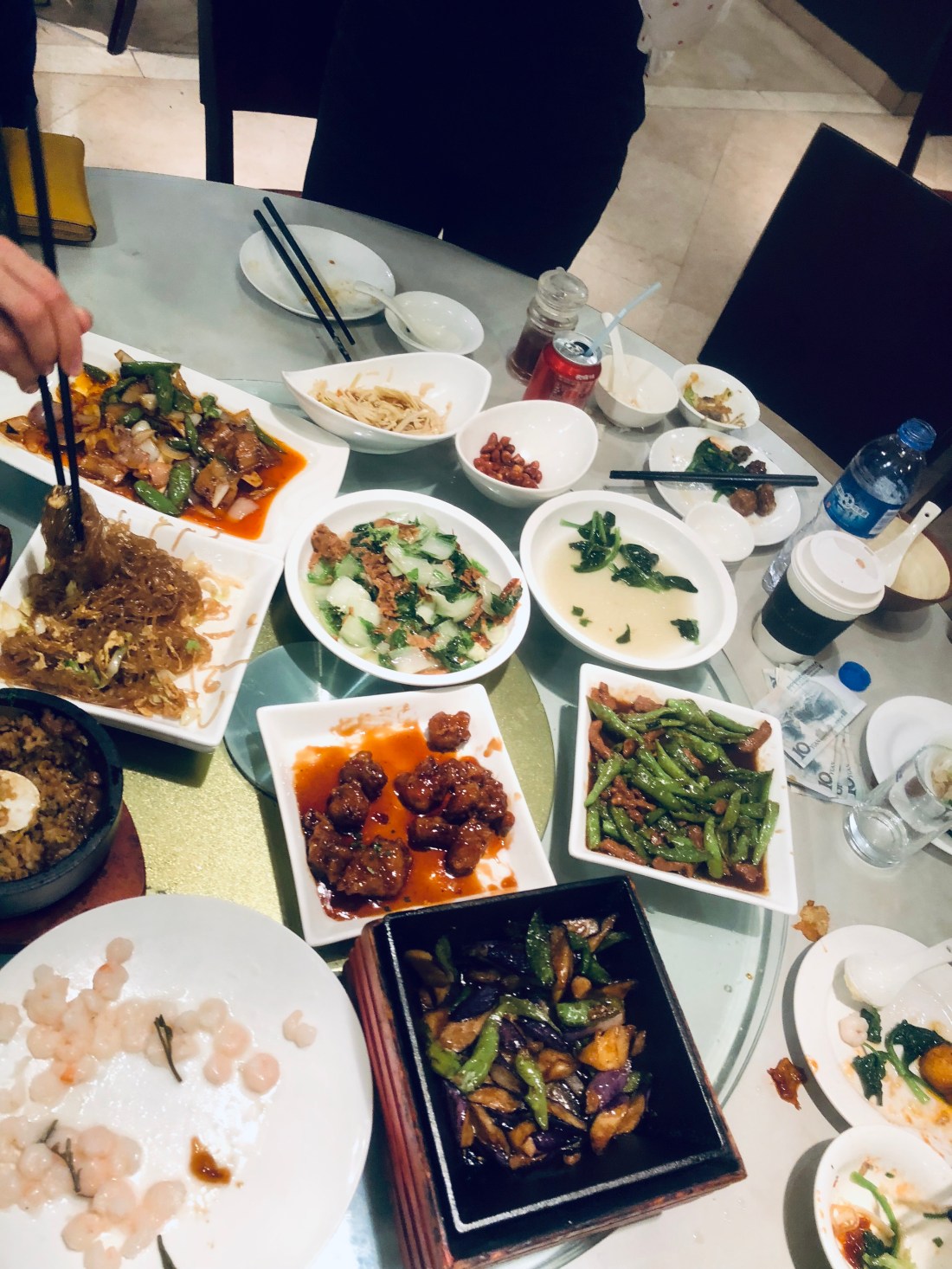
Whilst in Hangzhou, you need to give a Chinese banquet dinner a go, especially if there’s a few of you. Order a variety of different dishes and share everything. Most restaurants will have a revolving plate on the table designed for this. The restaurant connected to our hotel, Zhiweiguan, was particularly good and reasonable. It was always busy and comes highly recommended! We went for dinner in our new traditional Chinese dresses from Silk Street.
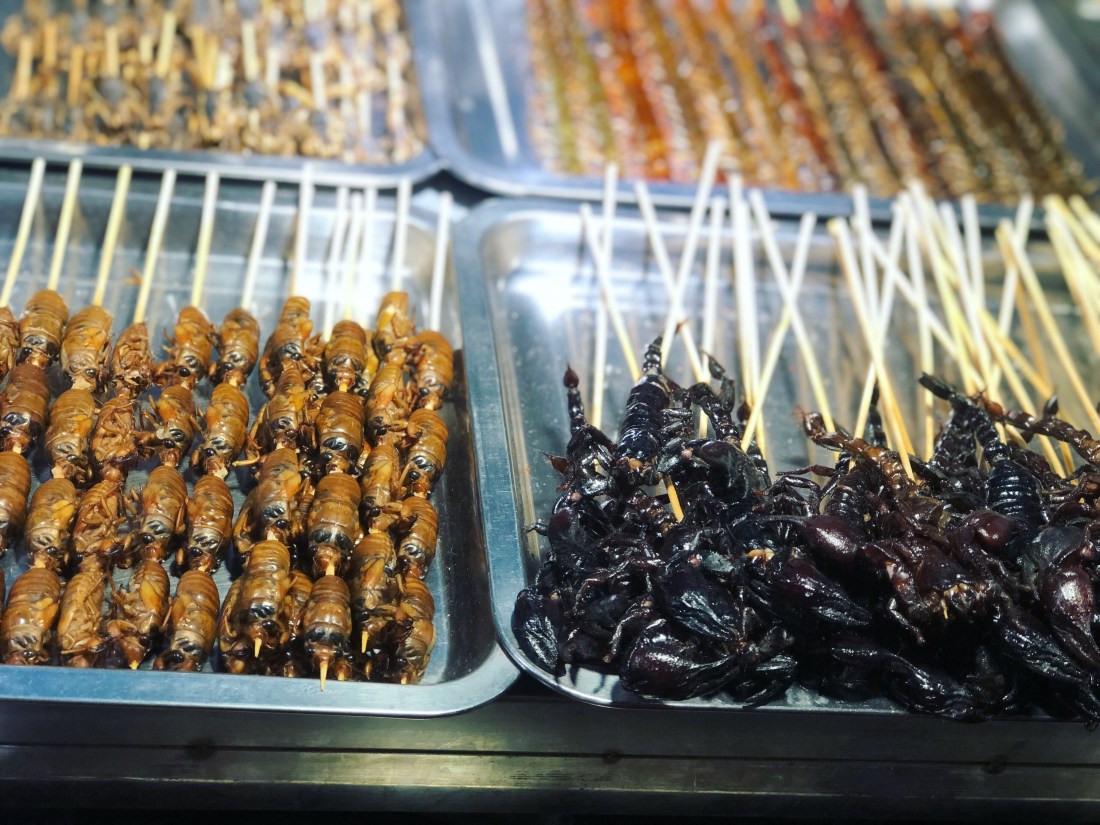
Night markets are a huge thing in Hangzhou and this is where you will find plenty of street food stalls selling everything from chicken to fried tarantulas. We visited Wulin Night Market and it’s full of life. Give the insect skewers a go if you’re feeling brave! How about a deep fried scorpion? There are plenty of things to see her and small vendors selling a range of items – even mini pet turtles! It’s a good place to shop for reasonably priced souvenirs. (Just don’t take the turtles home!) It doesn’t get started until a bit later in the evening, so don’t go too early.
Finally, make sure you visit a Chinese food court. The food halls are amazing, with a large selection of different Chinese specialities. You can also find other Asian options here, including Thai and Japanese. Give the basement at Wulin Square Underground Mart a visit.
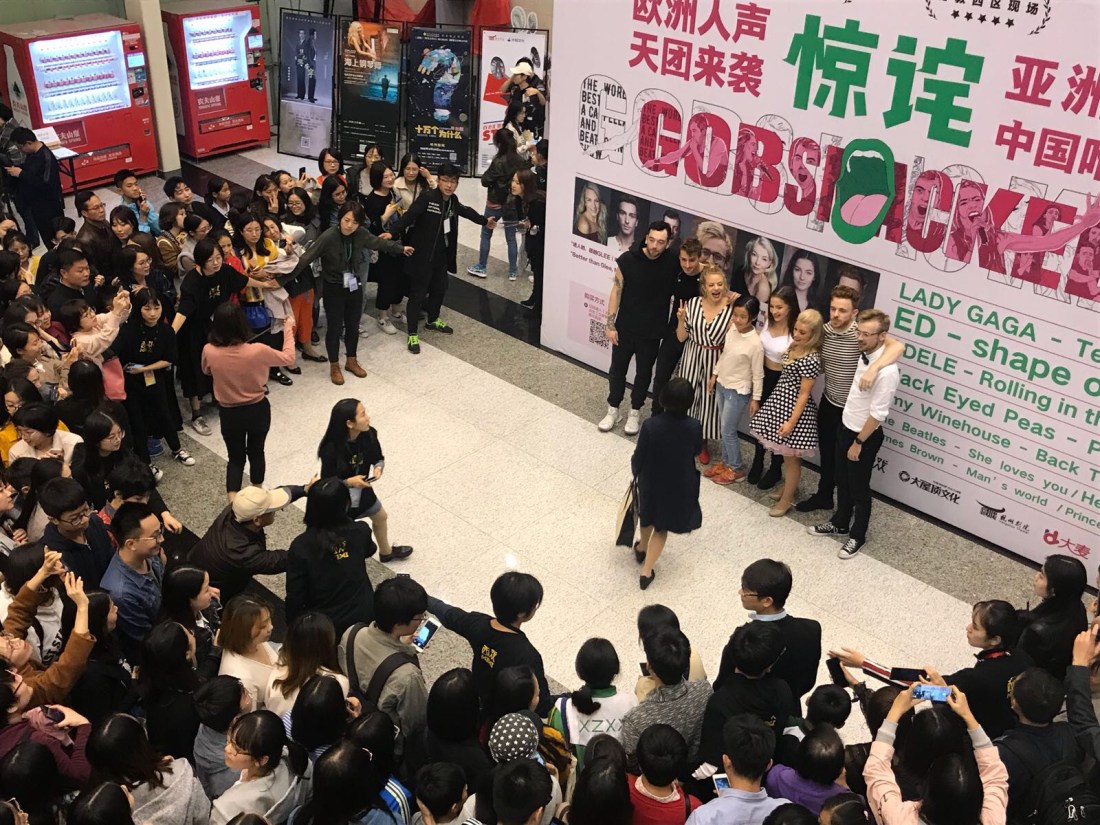
Maybe you can combine it with a show at Hangzhou Theater? It’s a beautiful venue, and they have many touring productions coming here. The Chinese audiences go wild, so stay on for a lively meet and greet after the show!
TRAVEL:
Both Virgin Atlantic and China Eastern fly directly from London Heathrow to Shanghai.
We stayed at Xin Yanan Hotel near Wulin Square

 Scandi Gourmet Girl