Mumbai is mad.
Previously named Bombay, this city is loud, it’s chaotic, it’s dirty, it’s colourful and it’s so full of contrasts you’ll never know which way to look. Your senses are truly put in survival mode the minute you put your feet on the ground for the first time and it may take them a little while to ease up, especially if you’re not an experienced traveller.
Seeing private 27 story houses for one couple in the rich areas around Marina Drive strongly contrasting the widely spread slum areas where large families are living in sheds, and even tents on the streets, leaves a bitter sweet taste – but to fully embrace what Mumbai has to offer, it is all part of the experience.

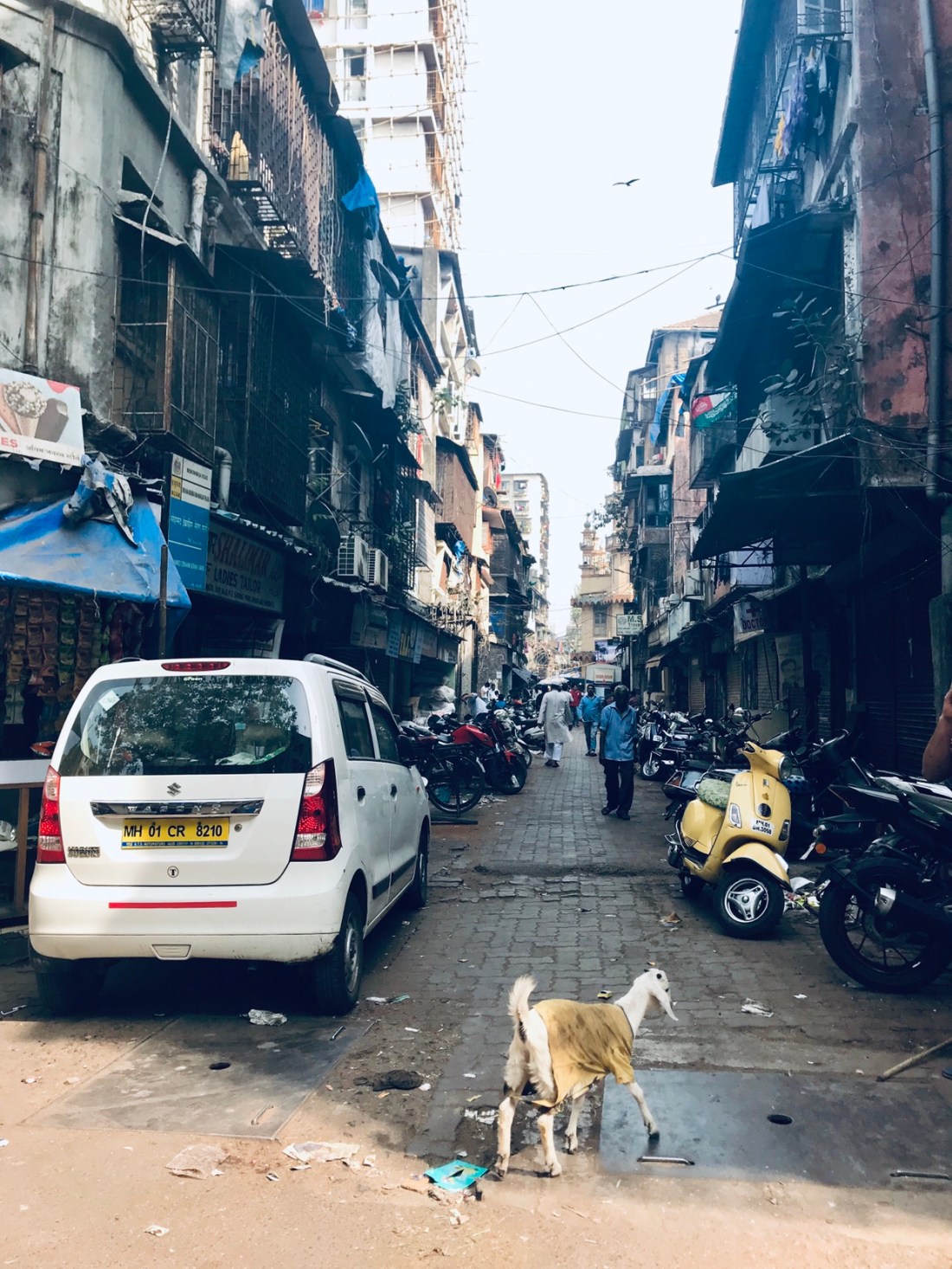
The honking of horns, kids begging through the taxi windows and goats in t-shirts in many a shop front and street can be overpowering impressions when first visiting this giant city with 24 million inhabitants. Once you see through that and you figure out how to cross the road with your eyes closed praying you’ll reach the other side, you see the smiles, the colours, the buzz and you’ll be ready to taste the wonderful flavours this destination has to offer.
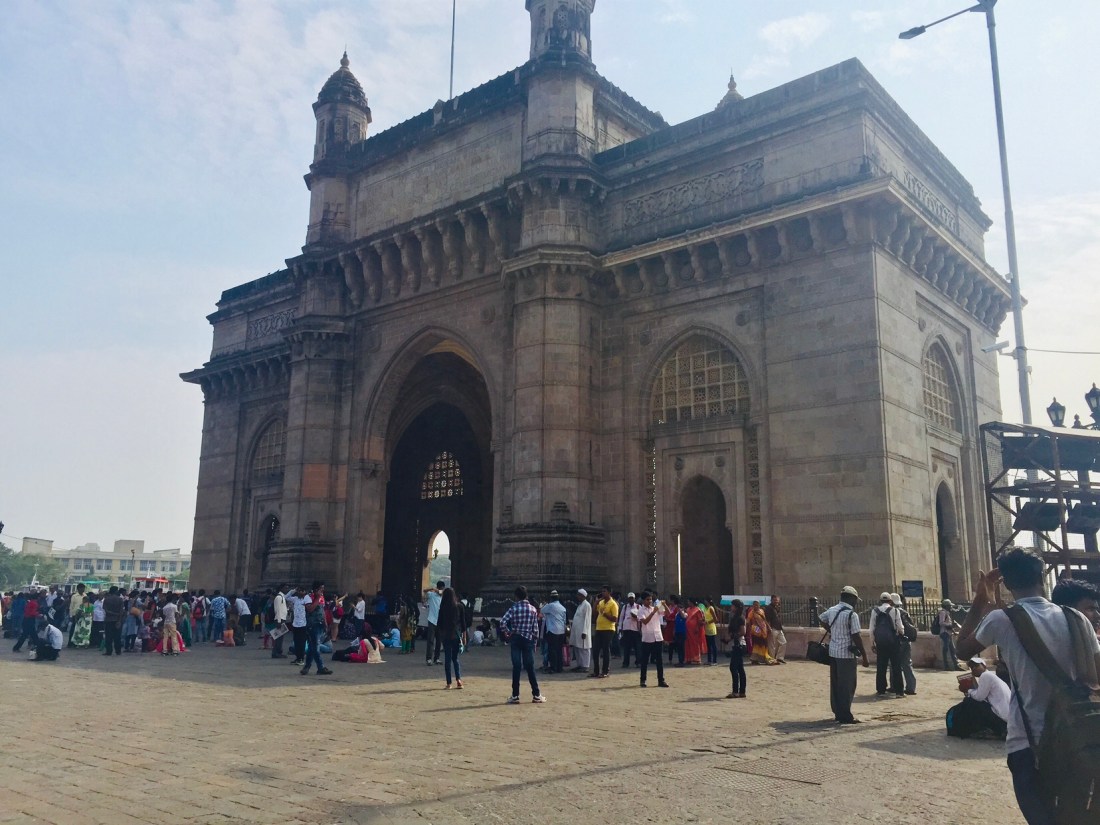
India was a British Colony until 1948, and a visit to The Gateway of India is a great starting point for your Mumbai trip. It’s located in the Southern part of the city centre in an area called Fort. The monument was built in 1924 as a memory of the visit of King George V and Queen Mary in 1911, and the official independence ceremony on the 25th of February 1948 took place here.
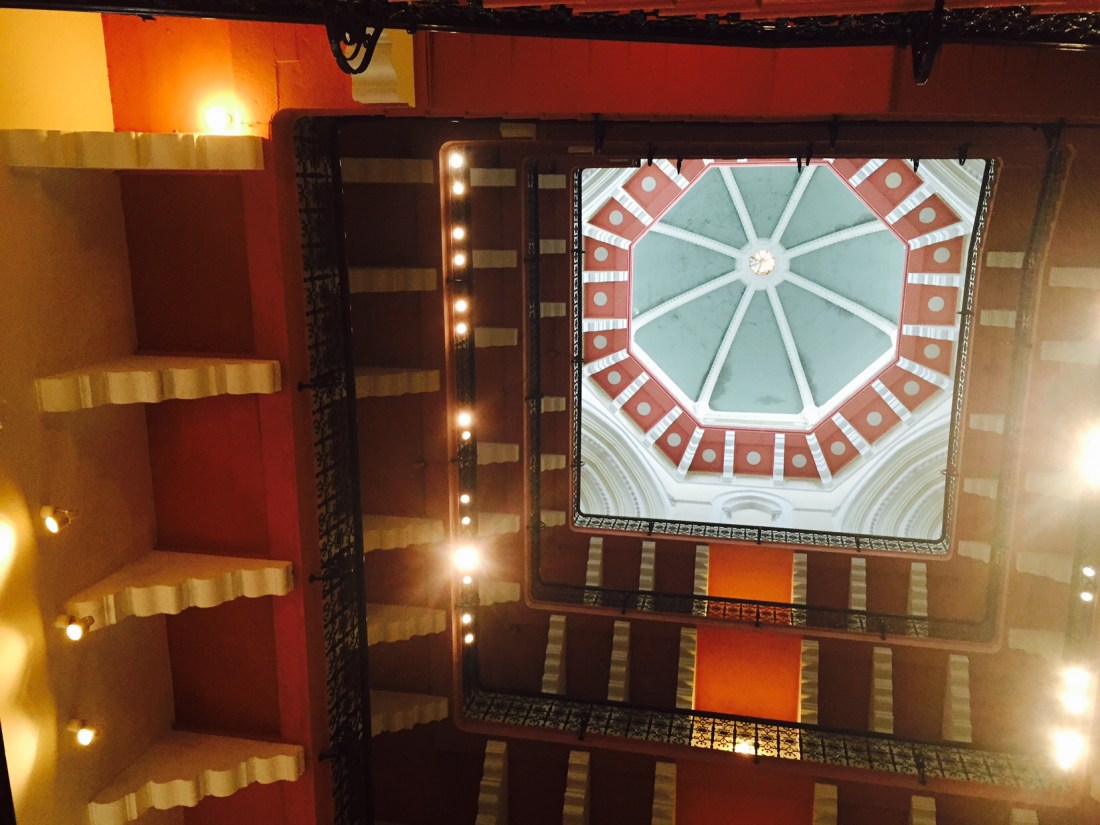
A stone throw away you will find the Taj Mahal Hotel (not to be confused with the actual Taj Mahal) – a luxury landmark dating back to 1902. It was the first hotel in India to have electricity and during World War I the hotel was used as a military hospital with 600 beds. Bring yourself back to colonial times wandering through and imagine all the public figures that have stayed here. The architecture is beautiful. For a full experience, you can indulge in a traditional lunch. Personally, I was more interested in tasting the true, current flavours of Mumbai, and didn’t spend too much time here – but it is important to be aware of its history to fully understand the city.
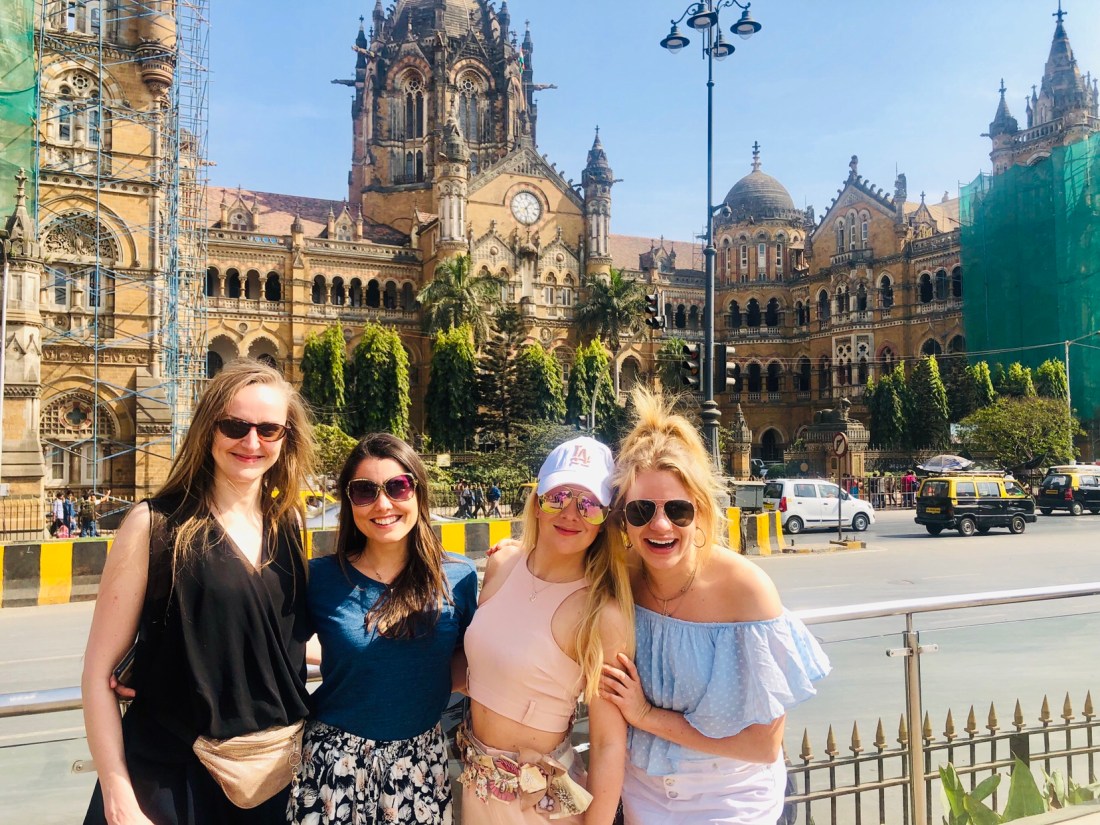
Have a look around the shops – but don’t spend too long, as this is tourist central – before you jump in a taxi, or do a long walk to one of my favourite places in Mumbai; Crawford Market’s Spice Market. On the way you’ll pass Victoria Station – a copy of London’s Kings Cross Station, as well as the Mumbai Municipal Hall next door.
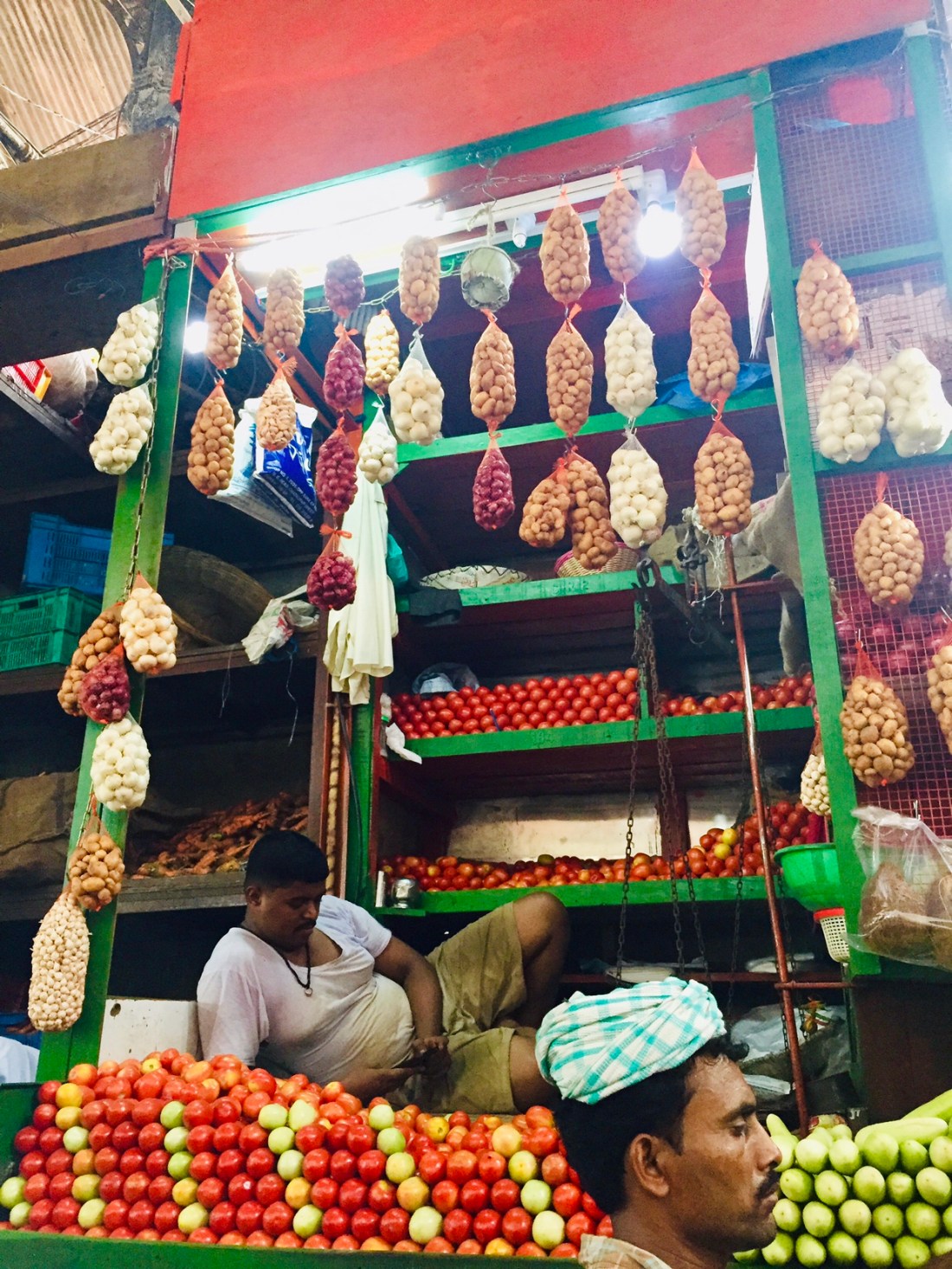

This is where our true taste sensation begins. If you’d like, you can let one of the many drivers by the entrance escort you around the market. They can be very helpful, as the market is a bit of a maze, but they are also quite pushy, and be aware that they can push the prices up rather than down as they might get commission from the sellers, so be sure to barter, and be very stubborn with what you want to see and do. One of my favourite stalls is the Spice King. I have bought spices from their stall on both my visits to Mumbai and they have hundreds of different spice mixes for all curry variations, as well as good prices on saffron. Ask to smell and taste everything, and be sure to get a good deal!
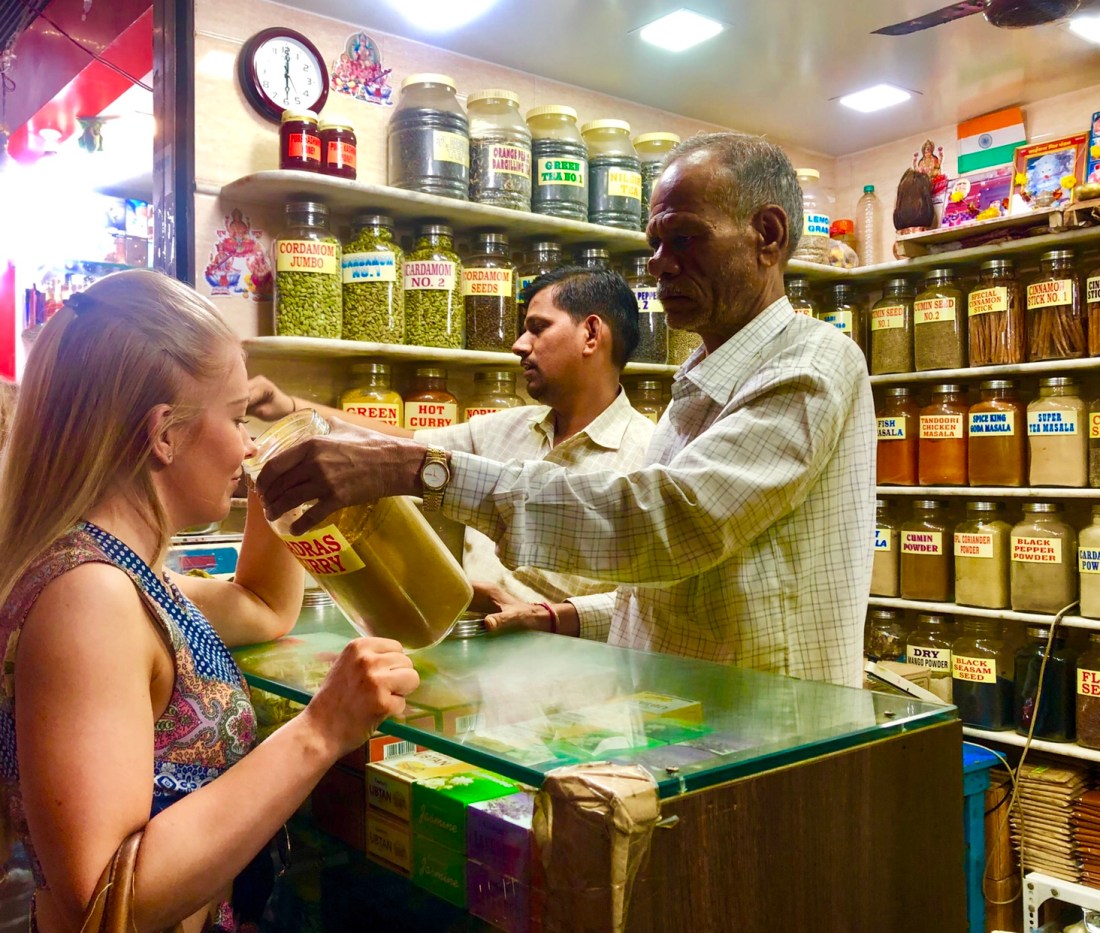
The key to Indian cooking is not to feature one particular spice, but to get the right balance of all the spices; a mix of heat, sweetness and acidity to accompany the typical curry base of ginger, garlic and chilli. Typical spice mixes may include spices like cumin, garam masala, cinnamon, chilli powder, anis seeds, star anise, dried ginger, turmeric, cardamom and coriander – and you can of course get them all here.
Spice King claims to have a spice mix containing 96 different spices, and though I doubt this to be true, it truly is an interesting flavour combination and worth a try.

In the same aisle you’ll find stalls selling nuts, dried fruits and Indian sweets. They love giving out samples, so eat your way through. Make sure you try the honey comb sesame balls. One of the bigger, apparently more expensive stalls by the entrance have delicious glazed chocolates that look like coloured, marbled pebbles.
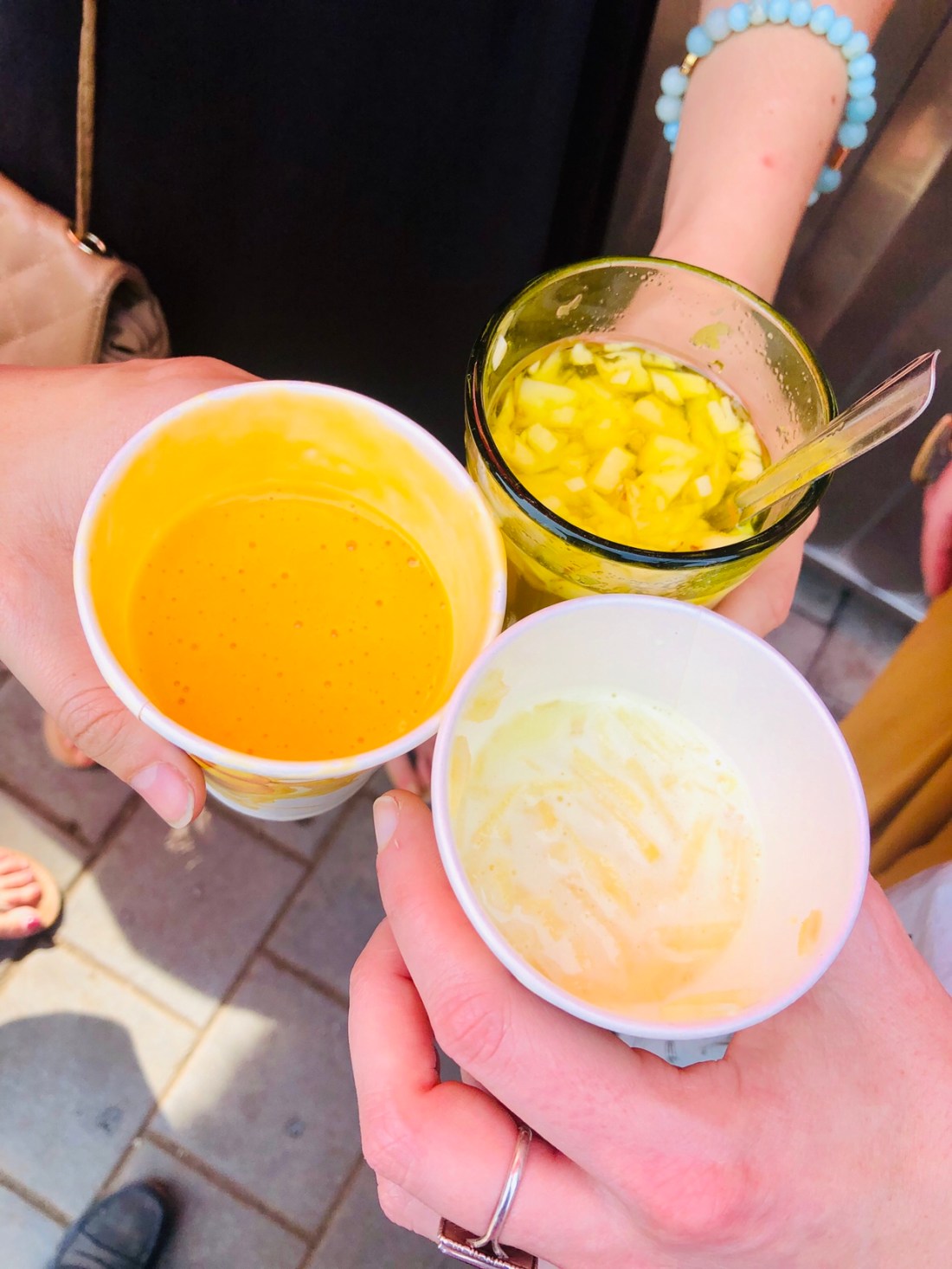
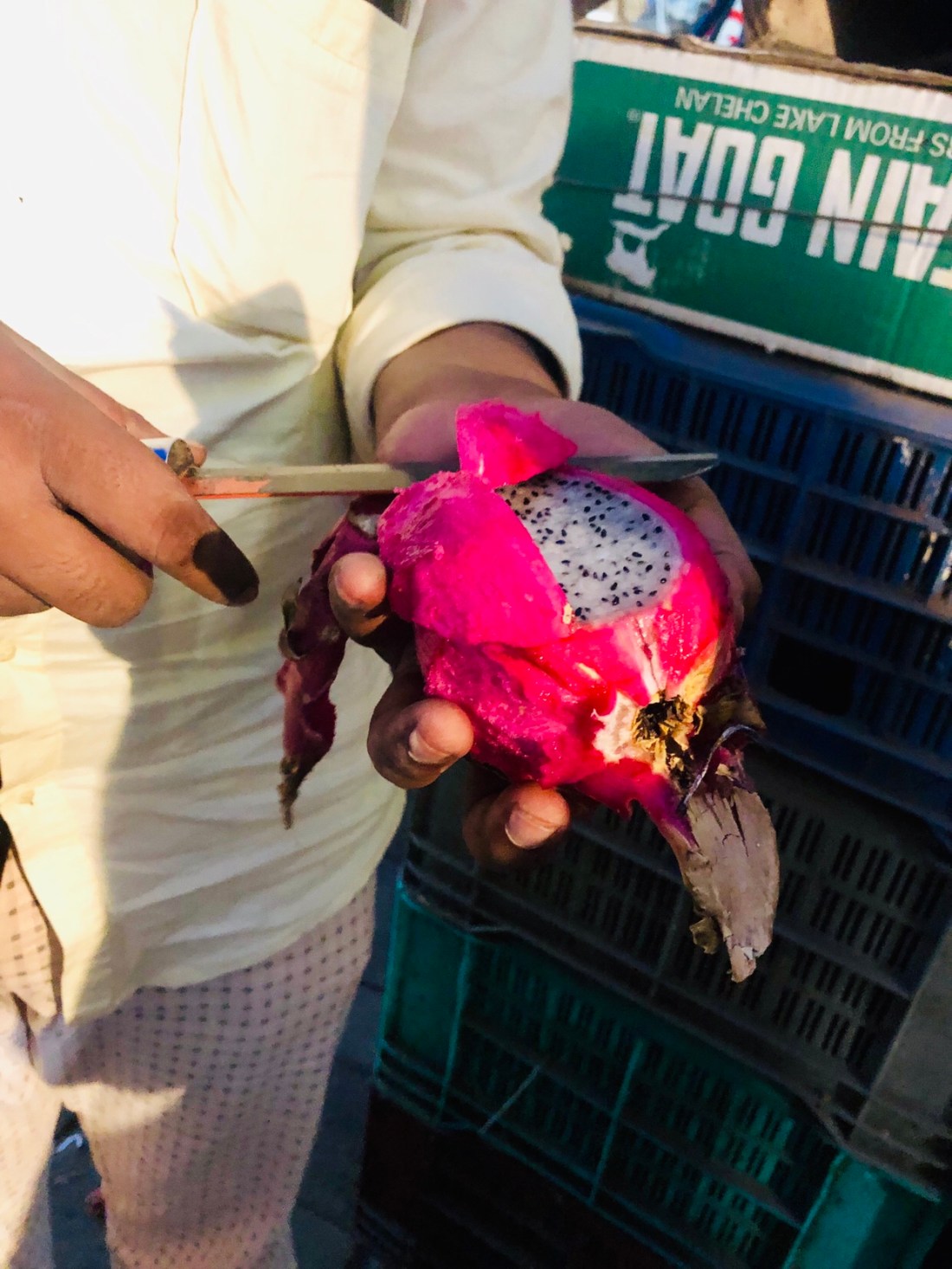
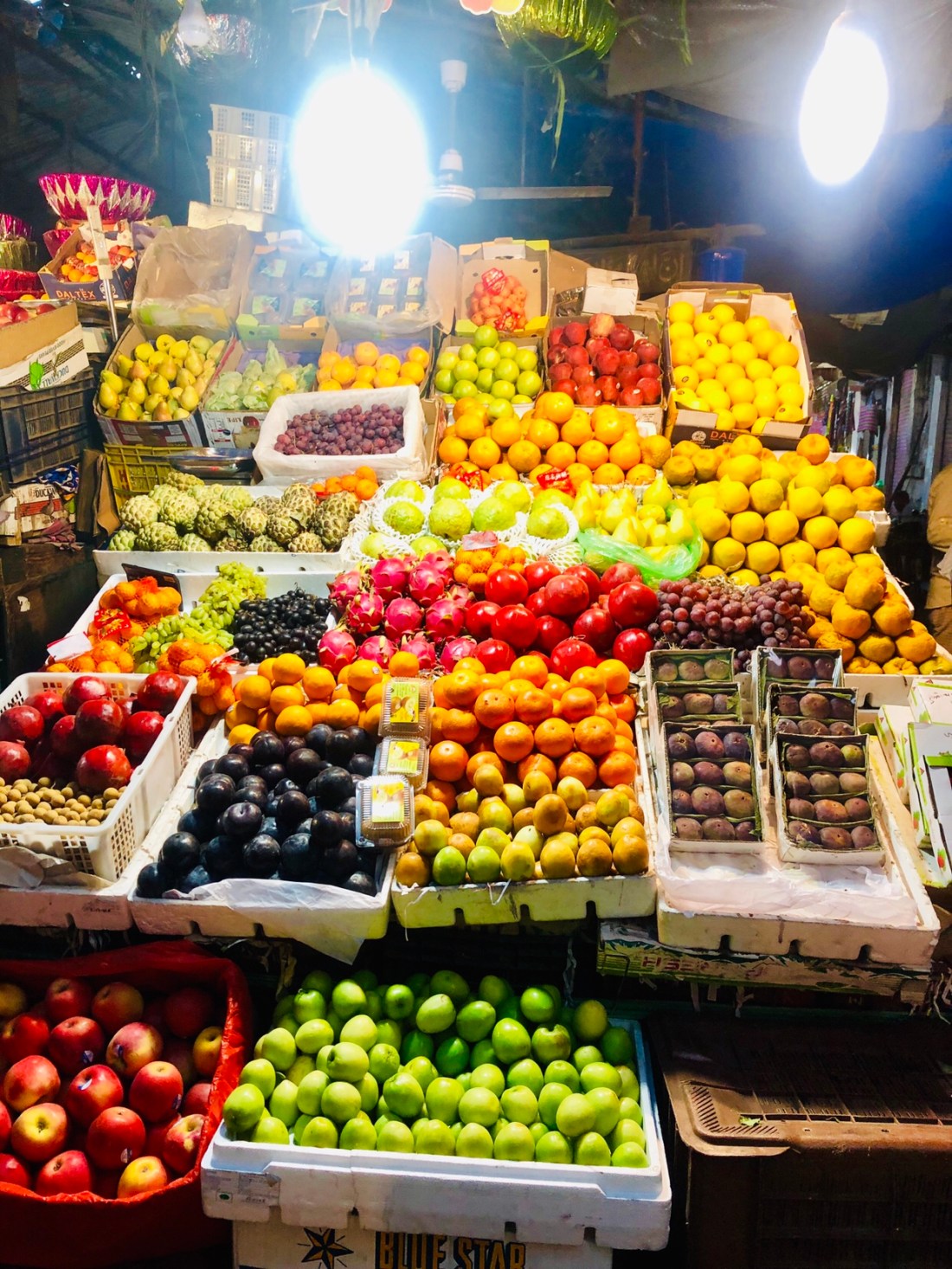
There is also a large selection of fresh fruits on offer. Get the vendor to open them for you, and try fresh dragon fruit, oranges and maybe drinking coconut water straight from the nut with a straw. You can also find this on many street corners alongside fresh juices and milk based fruit drinks with ice cream, mango and apple alongside many other flavour combinations.

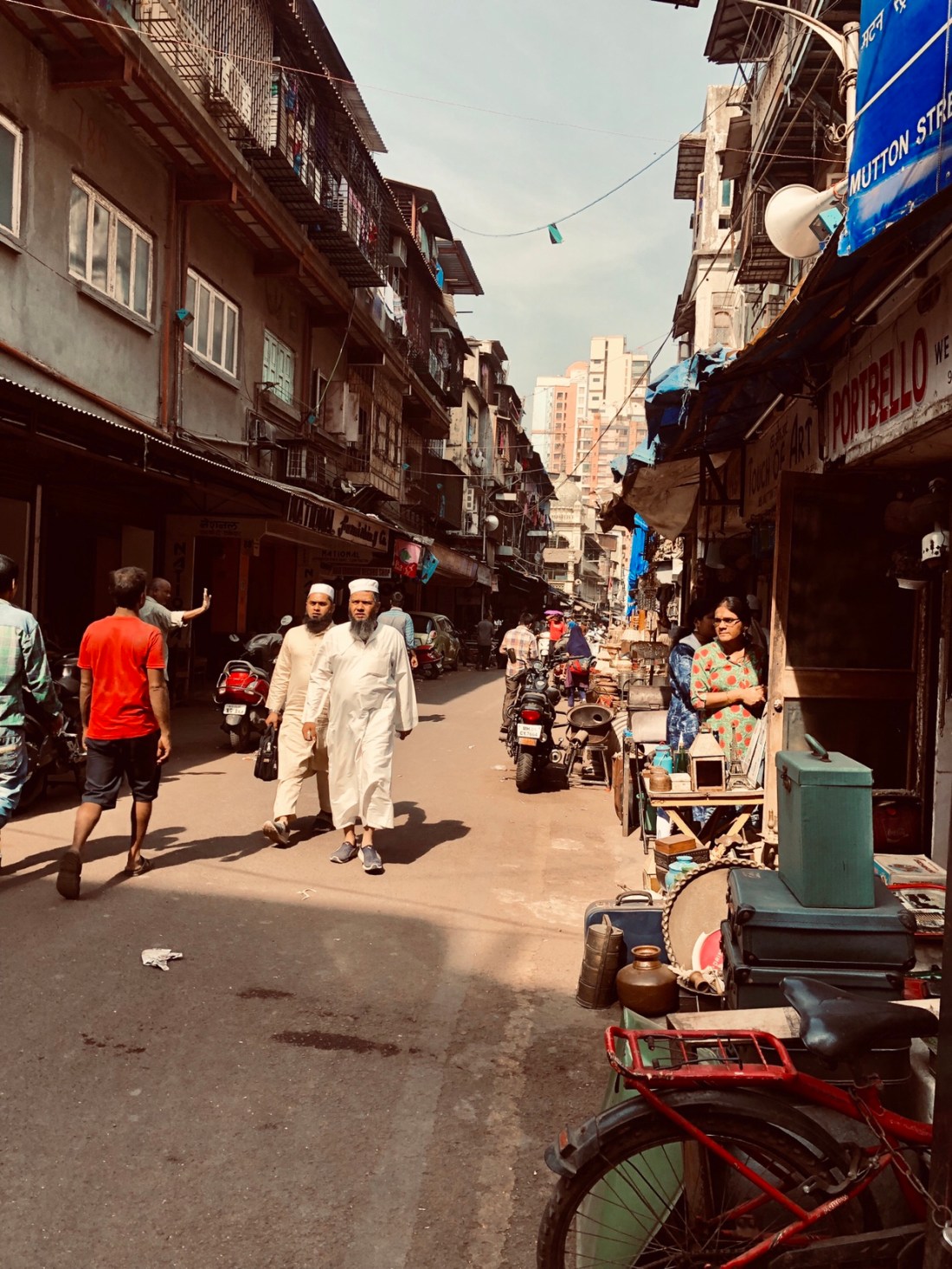
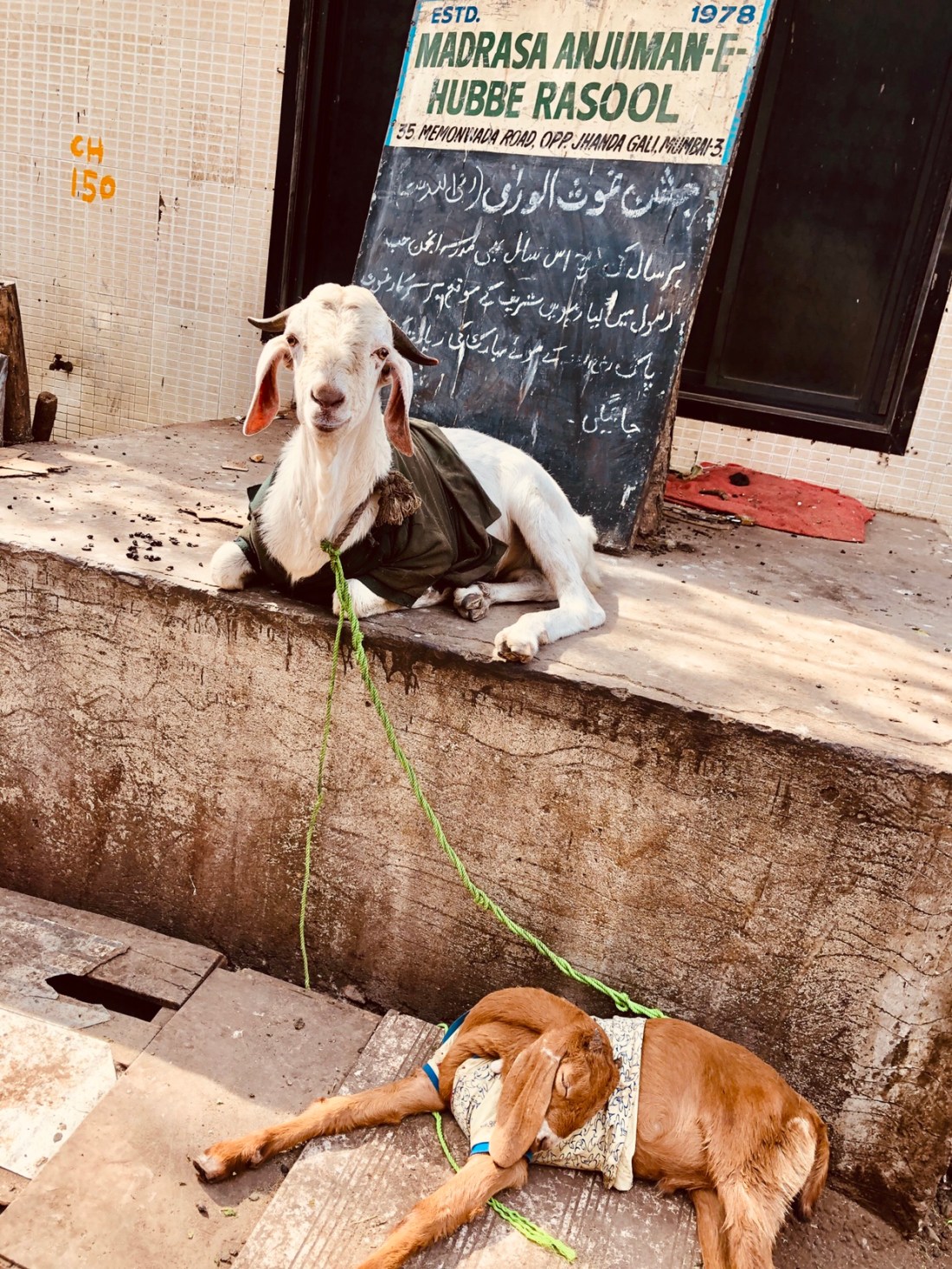
Take a 5 minute taxi ride or walk to Chor Bazar, also called “The Thieves Market”, as a lot of stolen goods used to end up here – and apparently still does in the early mornings. Do a treasure hunt through all the antique and vintage shops. You can spend hours here and get lost in all the treasures. You’ll find old Bollywood posters, jewellery, musical instruments, glass ware and furniture in over-filled small shops. Aim to only pay 50% of the original price the vendor sets.

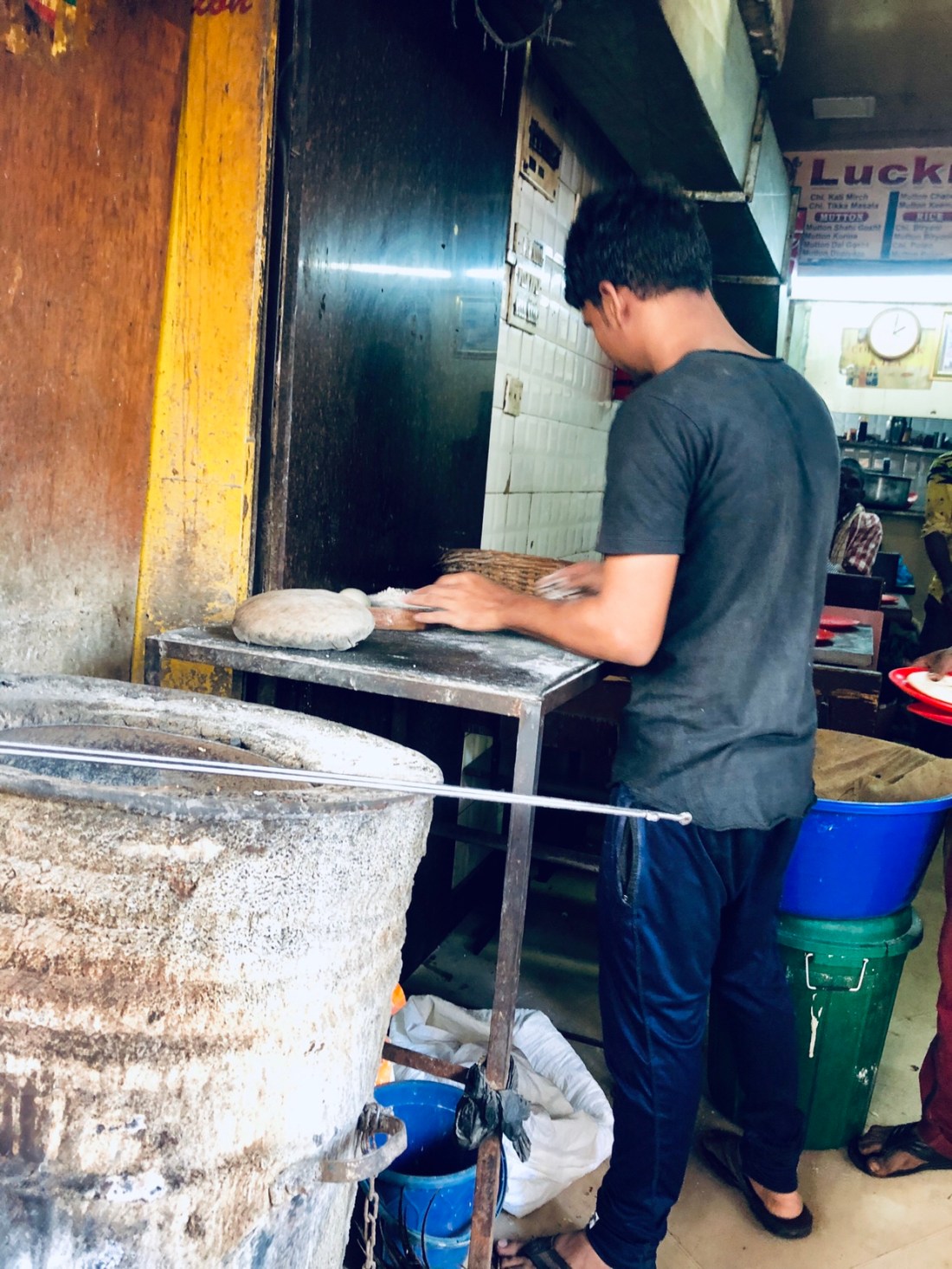
Make your way down towards Mohammed Ali Street, and taste everything you can find on the way. Be aware that this is mainly an evening food street – but we visited in the daytime and there is still a selection of street food on offer.
Find the shop that cooks made to order roti on a coal fire in a barrel – wrap it in a newspaper to go, then get a colourful chicken shawarma in a naan bread from the little street wagon before you venture towards the many sweet shops and bakeries.
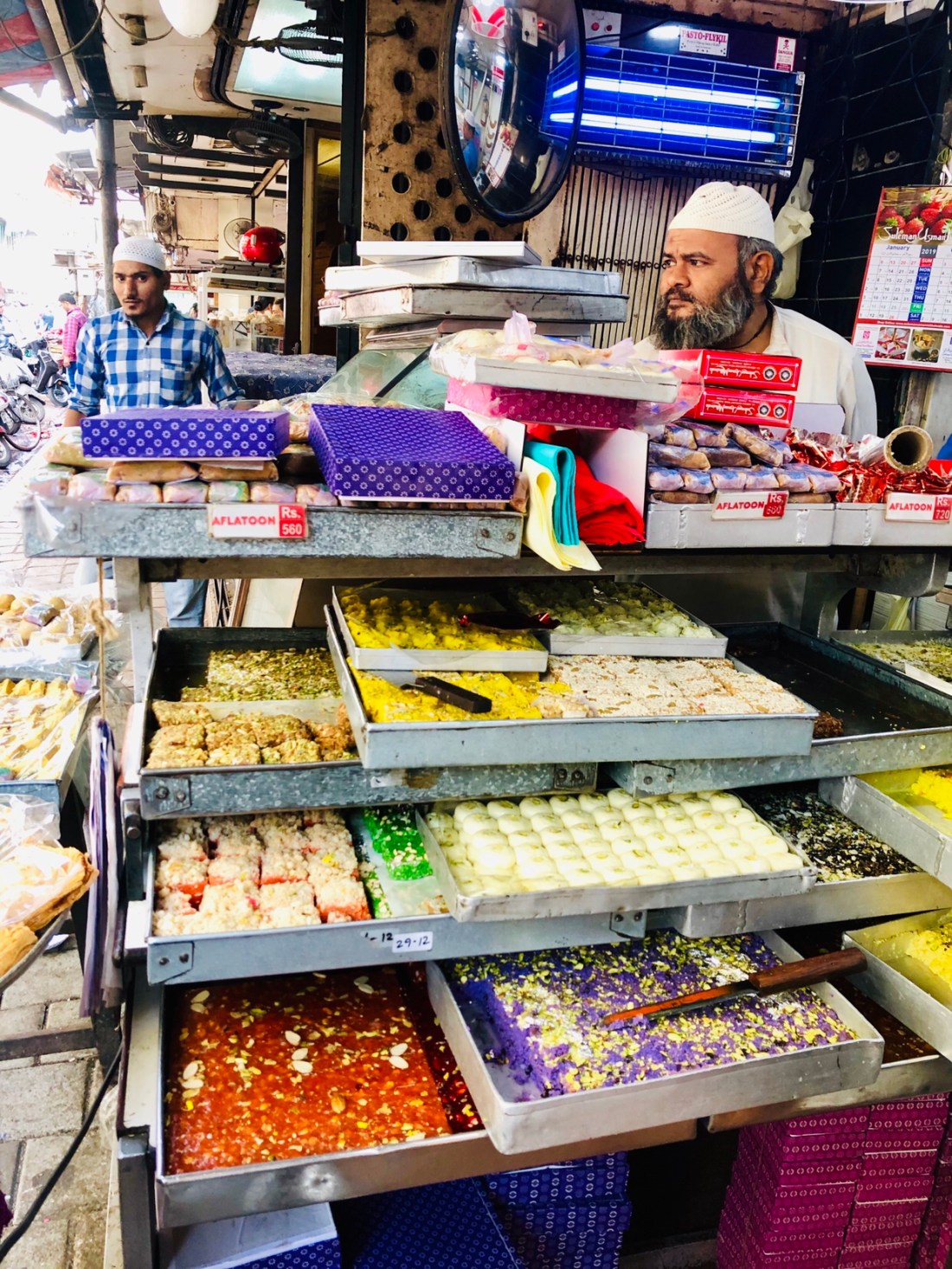
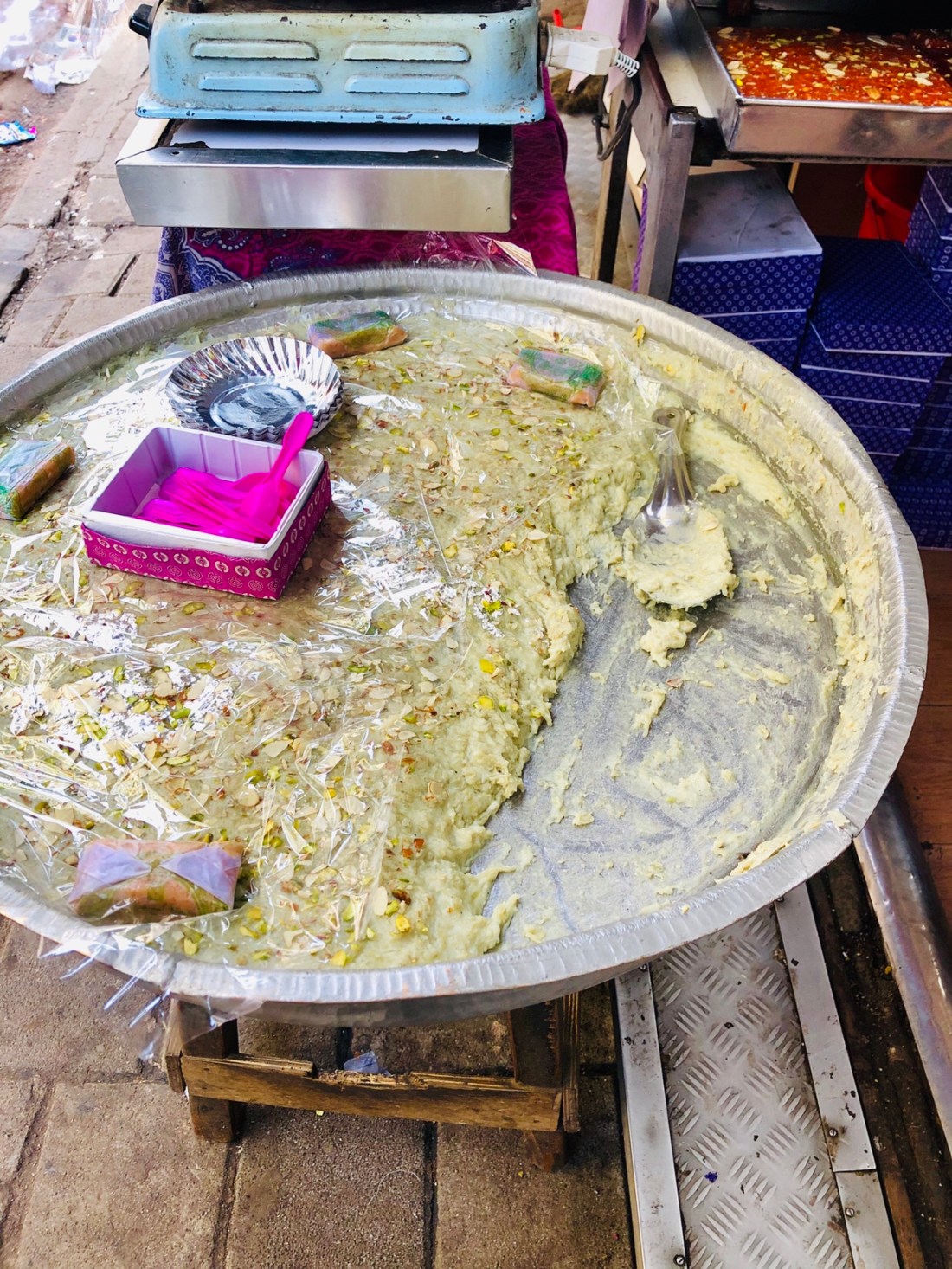
Let yourself get drawn in by the many colours and try traditional, handmade Indian sweets like barfi; Indian fudge-like squares, halvwa; similar but made simmering fruits, vegetables or flour and topped with nuts, motichoor ladoo; deep fried, very sweet flour balls.
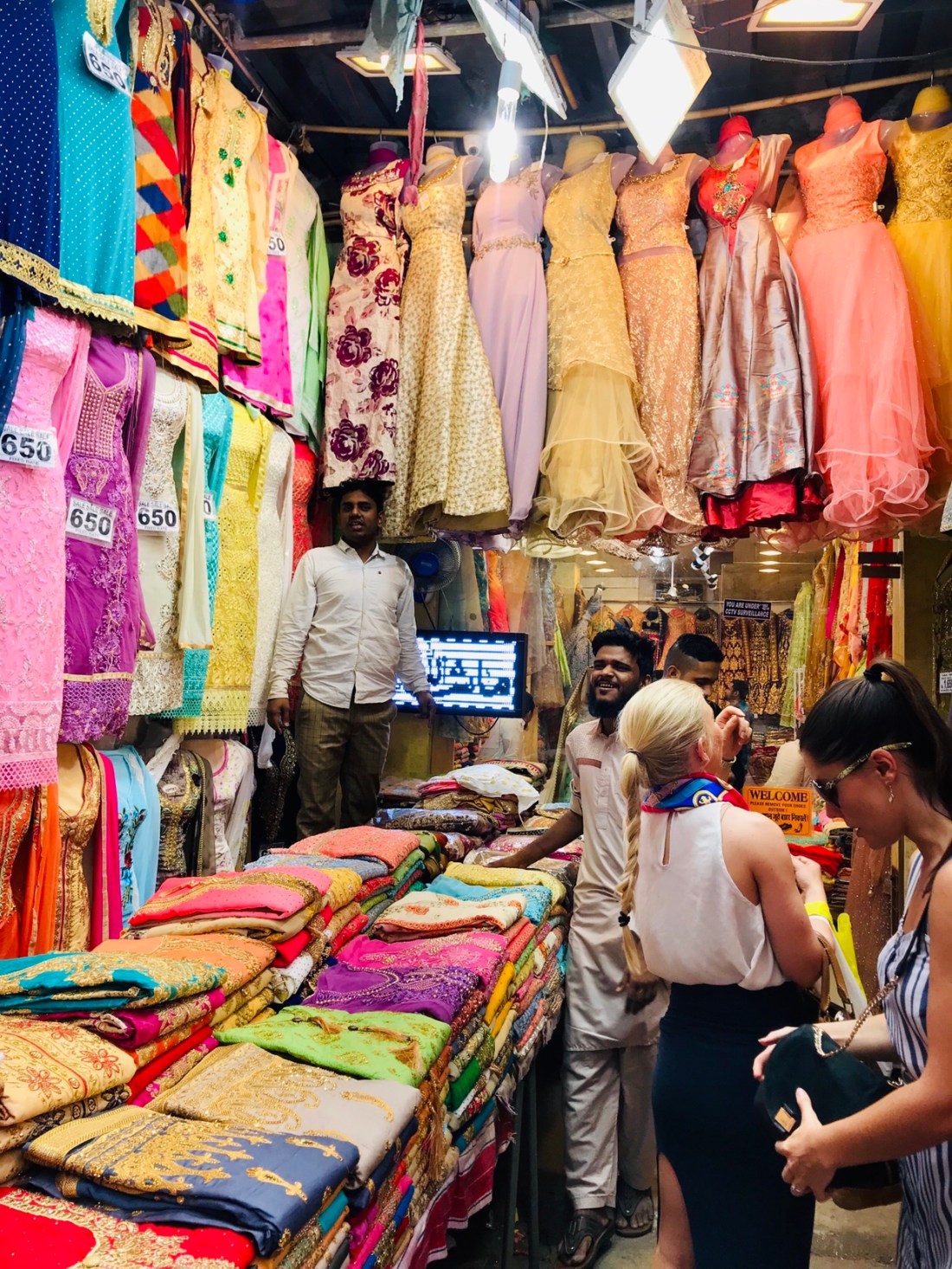
Give yourself time to look around the many shops and stalls selling fabric, clothes, shoes and jewellery, too. You can get absolute bargains here! Try to make them give you an Indian tea whilst you shop. Traditionally made using a black tea with a Marsala tea spice mix and sweetened condensed milk.
In general, again, be aware when you shop, especially in the Fort area, that locals may start following you to show you certain shops and make you pay much higher prices as they get commission from the shop. I got a sari tailor made this way on my first visit, and though being thoroughly taught how to wear it by the local woman following me, and taken to many different shops to be shown what jewellery I needed, I am now aware that though bartering, I paid a much higher price than I should have had. I like to think I supported the local economy.
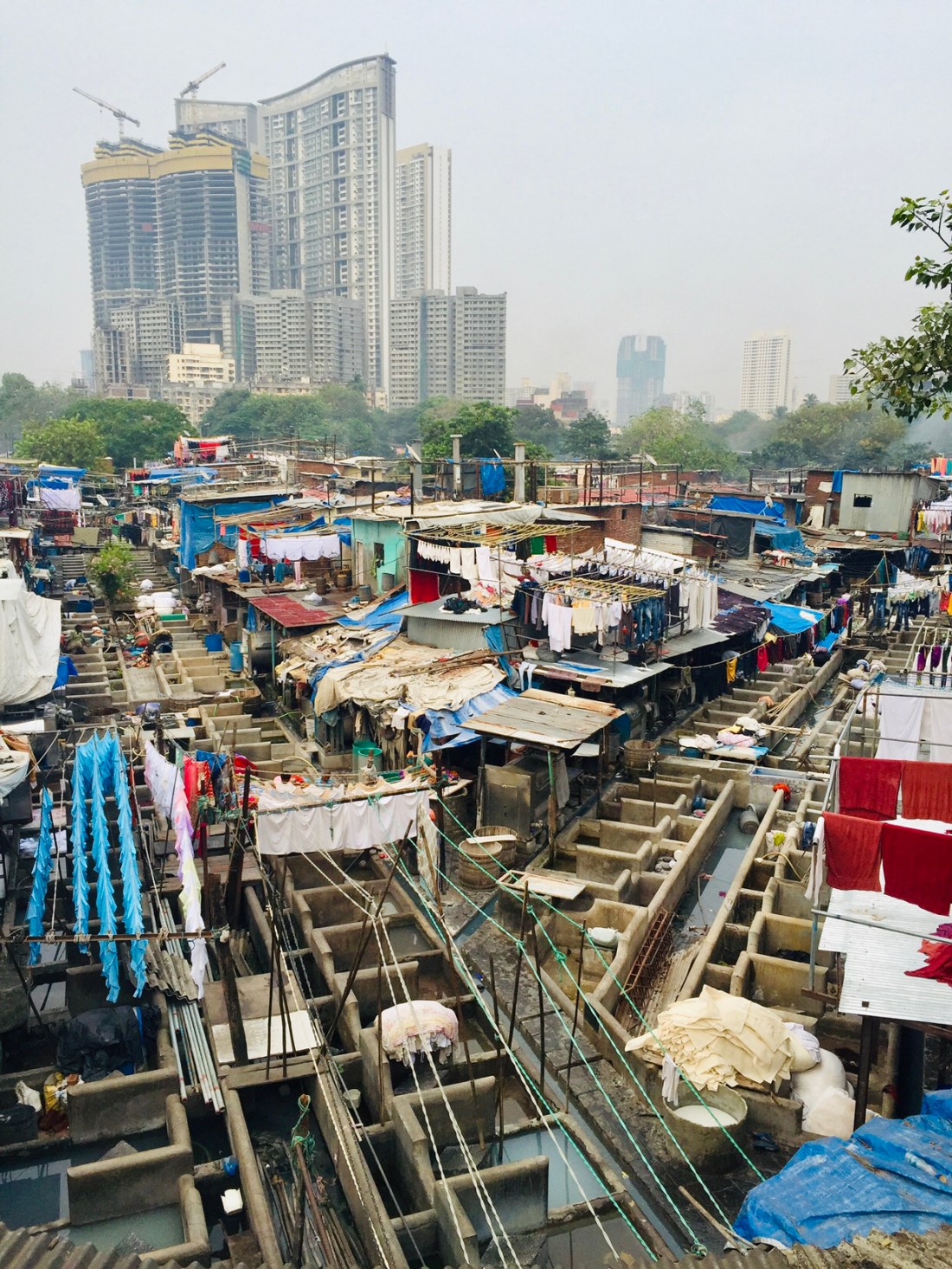
When in Mumbai, you need to visit Dhobi Ghat – an outdoor laundrette that employs thousands of men. It is located under a bridge near a local train station, so it might be worth getting the train there – but the taxis will stop in the middle of the road to let you take pictures, too. Laundry from hotels and locals are sent to Dhobi Ghat to be washed in large sement basins in the polluted Mumbai-air. Take pictures from the bridge and smell a mix of strong detergent and petrol, accompanied by a constant sound of car horns. You will quickly be surrounded by kids trying to sell you magnets and post cards. Be prepared that they will be very persistent and potentially grab you. Buy small items to support them, but watch your money and don’t show that you’ve got bigger notes.

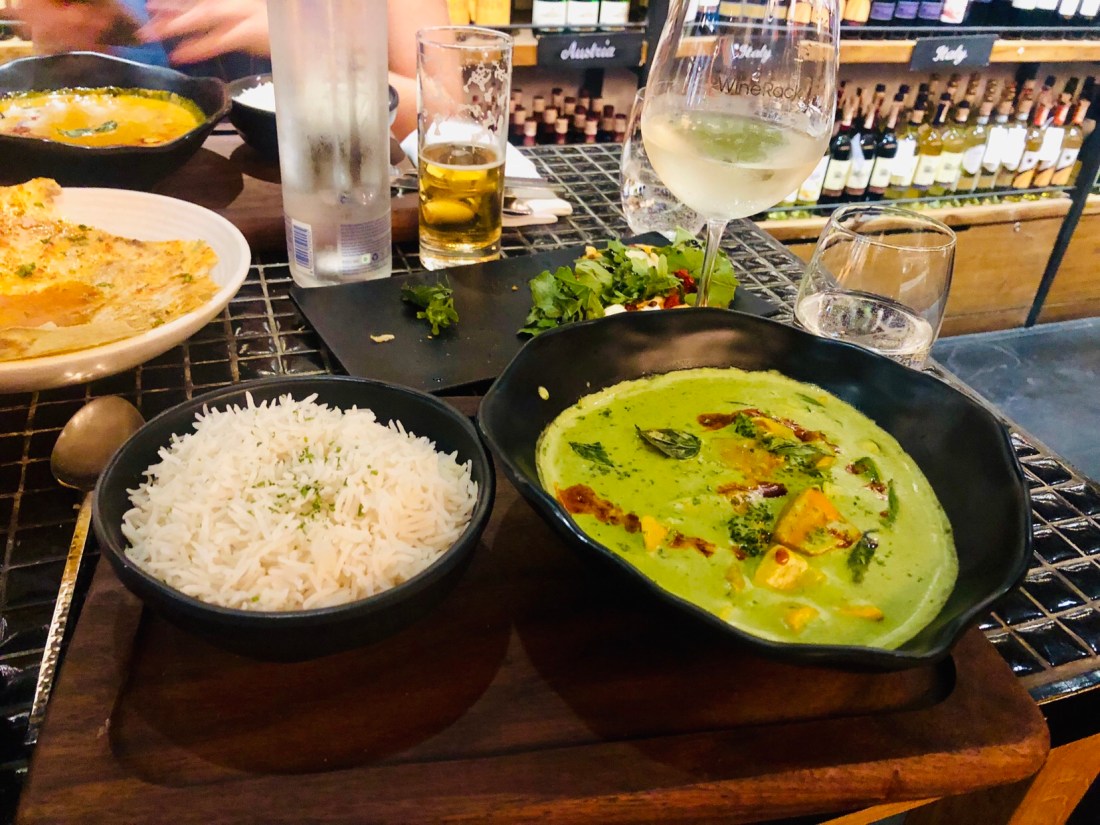
A short drive from Dhobi Ghat you will find the massive shopping centre High Street Phoenix. It is very Westernised and we’re certainly not going shopping, but to visit Australian Master Chef winner Sarah Todd’s New restaurant The Wine Rack as featured in her second TV programme “My second restaurant in India” that starts airing as I write this. Sarah Todd is half-Indian and has previously opened a restaurant in Goa. The Wine Rack serves an Italian/Asian fusion menu, as well as Indian Street Food inspired dishes and over 200 hand picked wines from all over the world, including many Indian wines. I had a good sparkling and a Sauvignon Blanc from Chandon – a winery just North of Mumbai. You can also get flights of wines from different countries and regions.
From outside, The Wine Rack looks a bit like a chain – but inside it is modern, laid back and chic with a large featured bar. The menu is a bit confusing as it is so big with a large range of flavours, but I’d recommend the massive Karari Roti to share, the seared tuna, the sun dried tomatoes kulcha and the green pineapple curry. They even have one beef dish on the menu here – though written with *** to not offend anyone. Remember that the cow is holy in India, and beef is only eaten in the Kerala region in the South of the country.
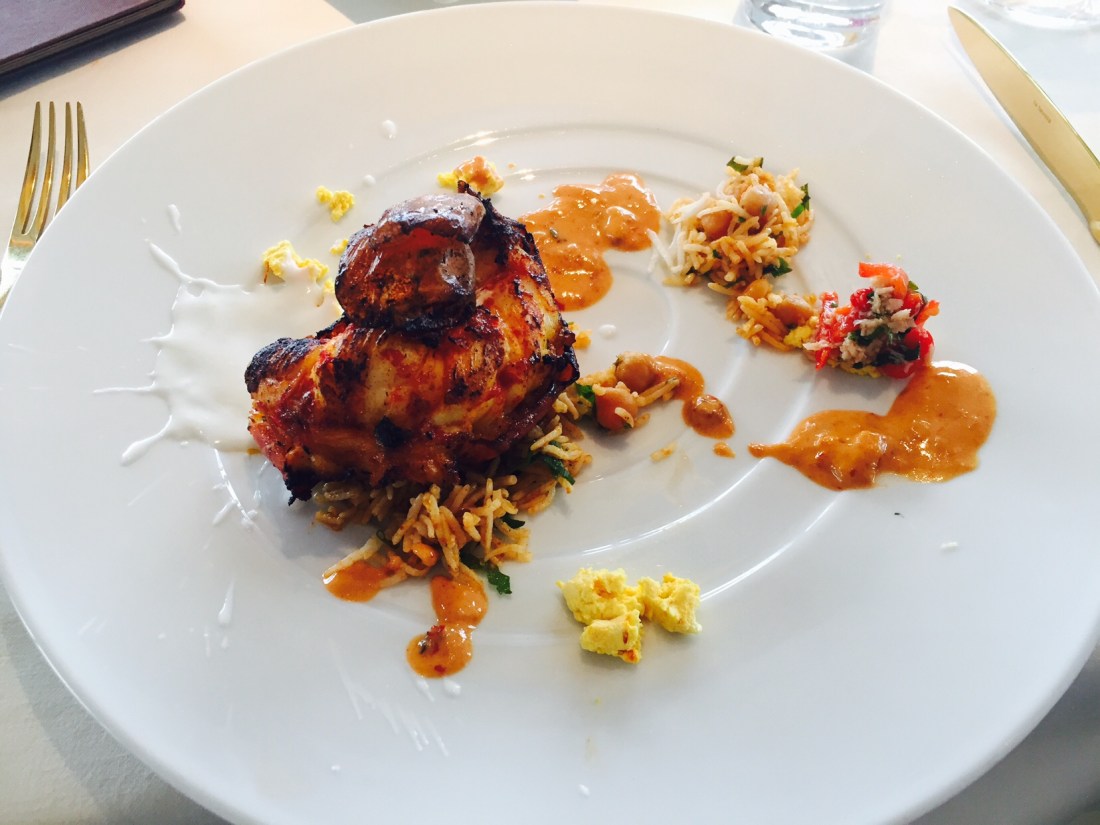
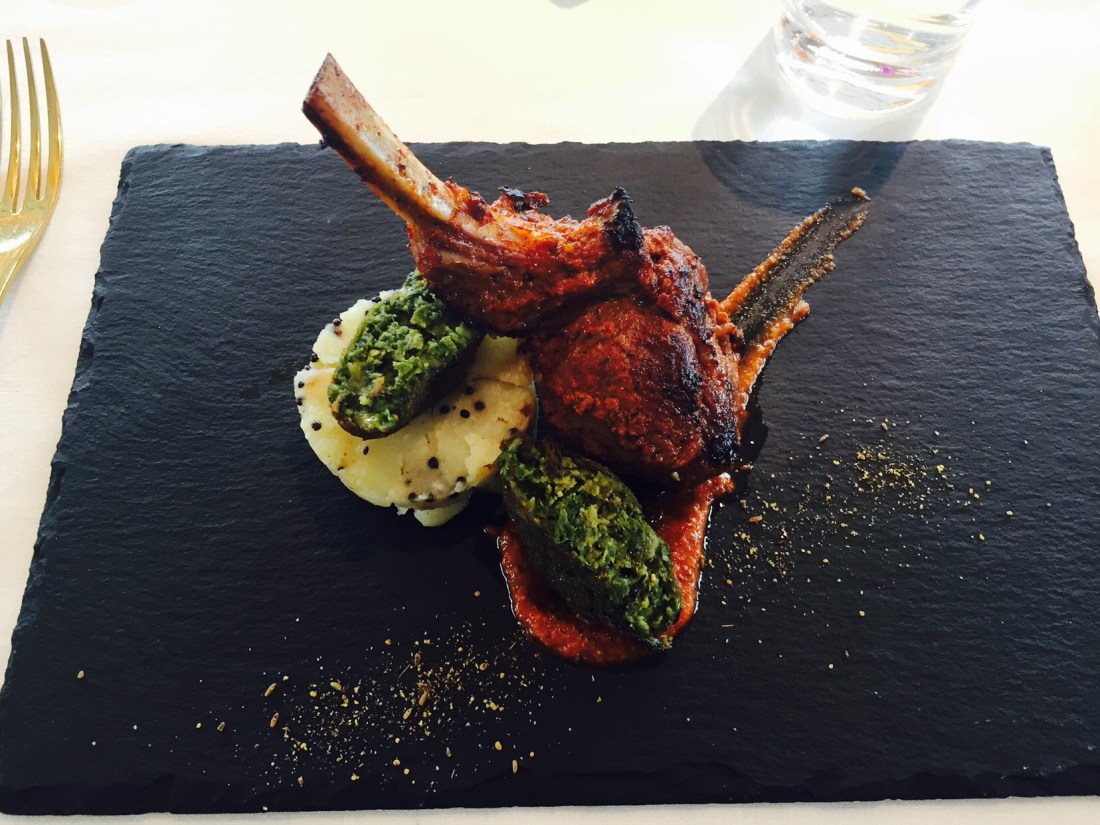
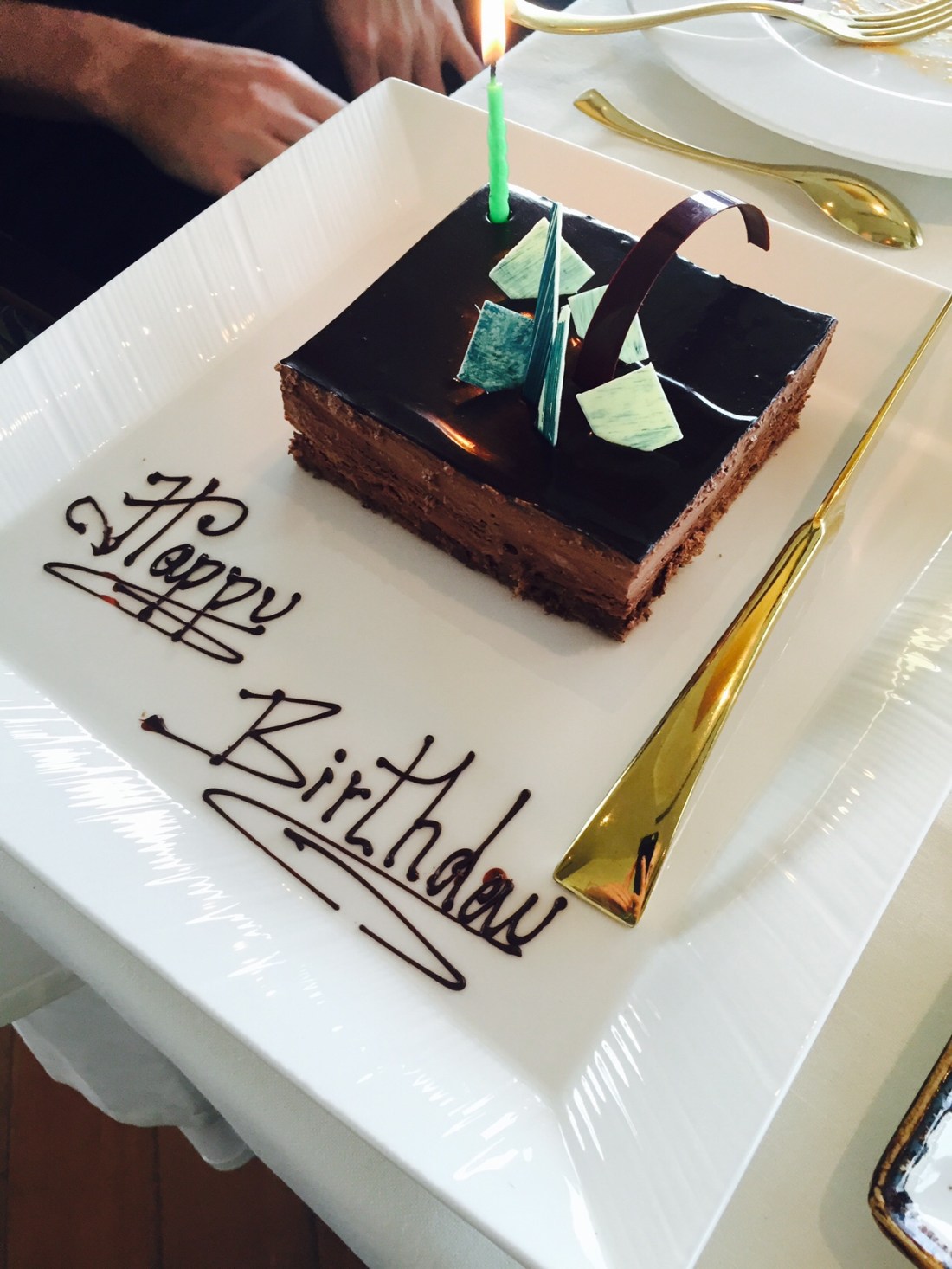
Another, more luxurious, option for lunch or dinner, is the Oberoi hotel’s restaurant Ziya with creations by thrice Michelin starred chef Vineet Bhatia. I actually celebrated my birthday here one year with a wonderful 7 course Indian tasting menu, followed by a rather large surprise birthday cake! The tasting menu changes all the time, but highlights included grilled curry leaf prawns, chilli burnt butter lobster and saffron champagne sorbet.
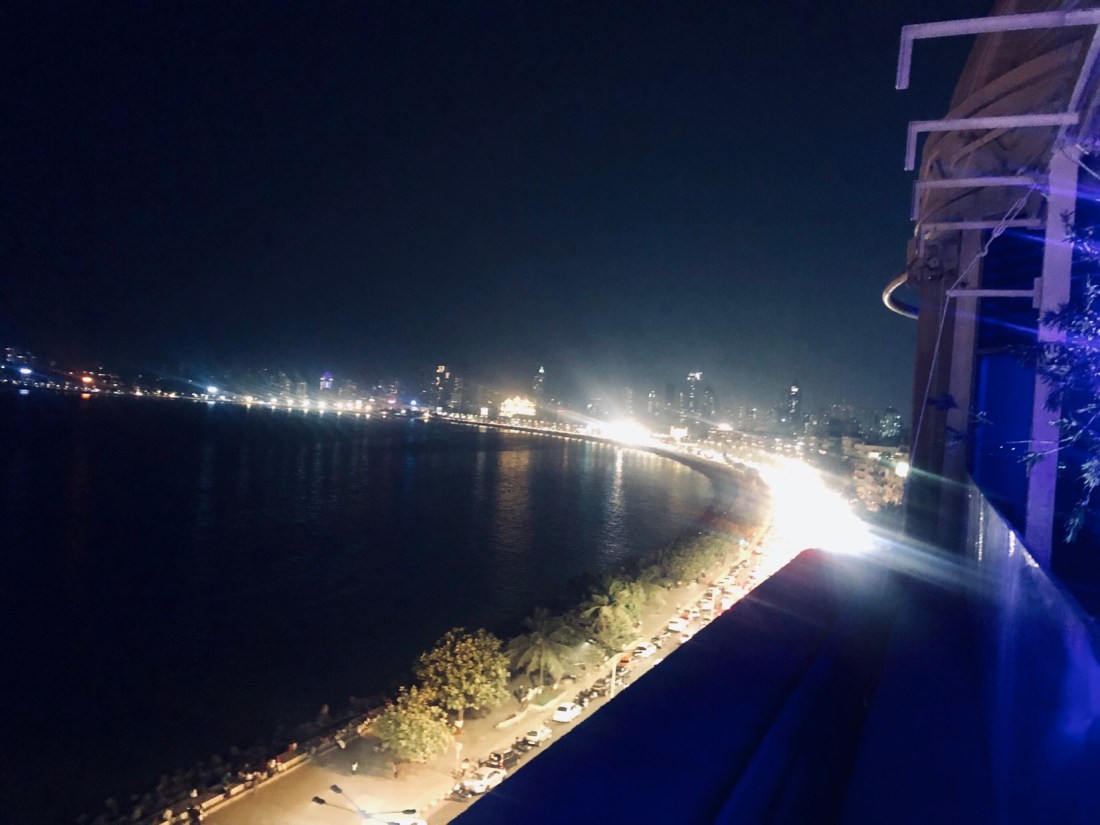
End your night at The InterContinental’s roof top Dome nearby with views over Marina Drive. Maybe have a gin – the true spirit of the British colony times. A cocktail made with Bombay Sapphire might be a very suitable suggestion as the darkness surrounds the city and the madness slows down, at least for a few hours.
TRAVEL:
I travelled to Mumbai with Seabourn Cruise Lines and MSC Cruises, but many cruise lines do itineraries with over-nights here.
British Airways fly direct from Heathrow.
Thank you to my second trip travel companions Leigh, Joanna & Sarah for input and for taking some of the photos in this post.

 Scandi Gourmet Girl
Brilliant blog!
LikeLiked by 1 person