Cuba – a vibrant, unique and colourful island. The communist state with the salsa rhythms and bright smiles all around isn’t exactly known for its food, more for its lack of such, which somehow makes it even more interesting. Because of the almost complete lack of import, particularly to local areas, the Cuban people use what they’ve got, they produce their own fruits and greens and there is even a black meat market. If your neighbour knocks on the door with some fresh beef to sell, it’s time to fill your freezer – as you don’t know when the offer will come around again.
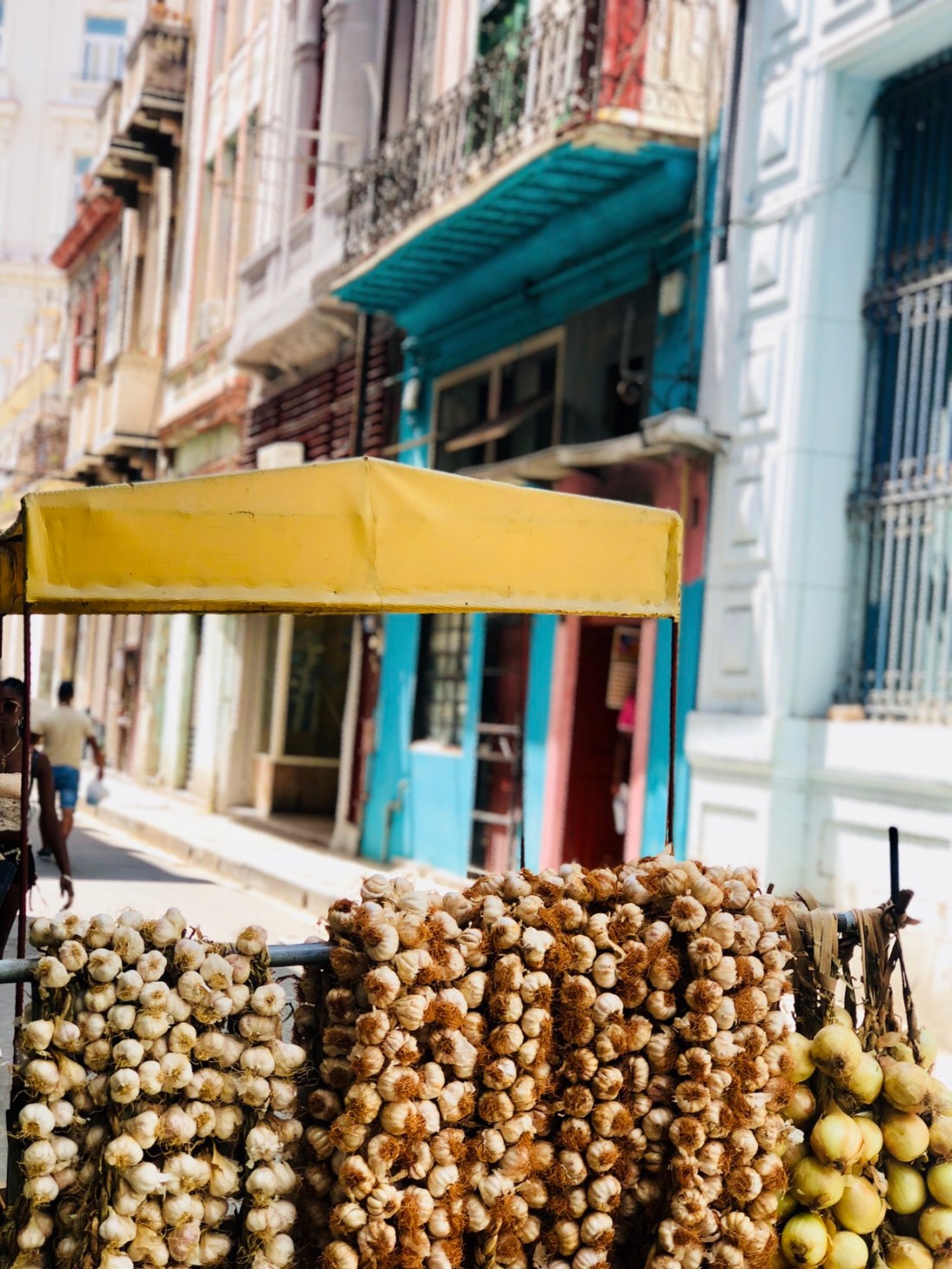
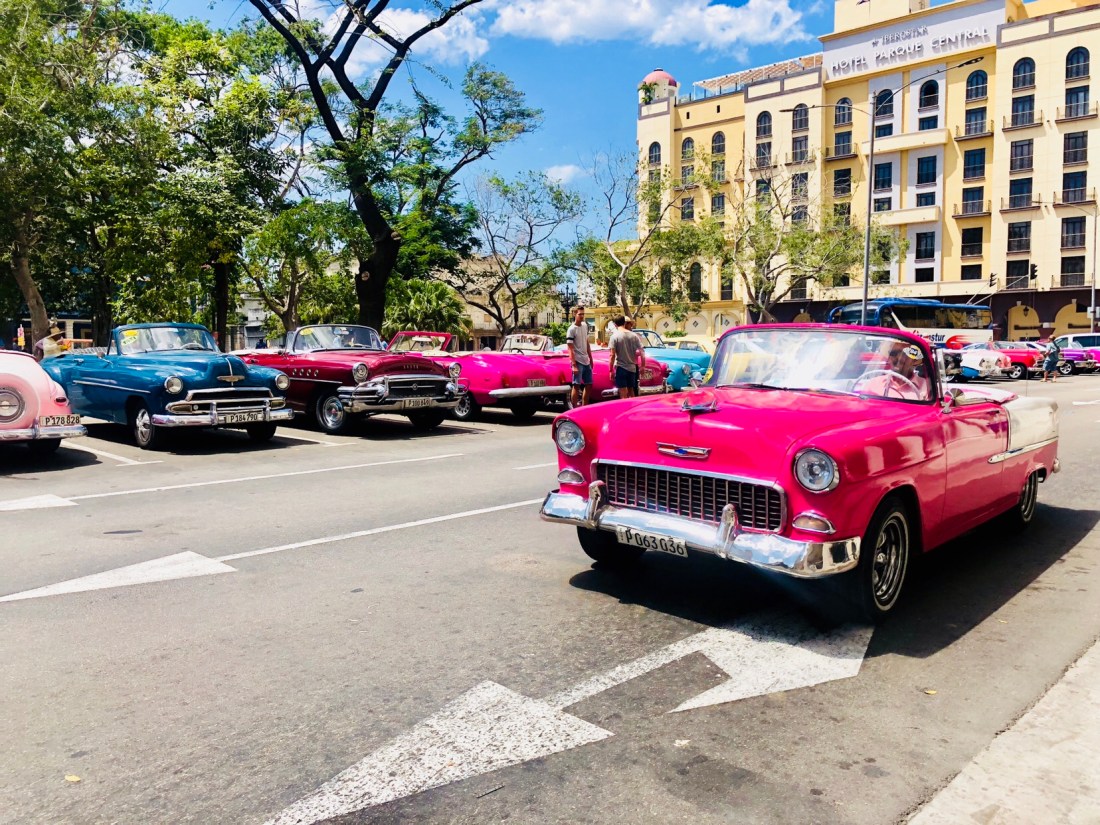
Now. I didn’t come to Cuba particularly for the food (more for the rum in that case), but I certainly came for an authentic experience and achieved it. I might have a strong card to hand as a member of my family recently married a Cuban and owns a house in a residential area just outside of Havanna – but I would recommend anyone to stay with the locals – even if just for part of their stay.
I can’t emphasise enough how different the local areas and way of life is to the downtown part of Havana where posh, shiny veteran cars are lined up to cater for the tourists, and food and drinks are ten times more expensive than in the local market. If you really want a resort holiday – at least treat yourself to one at the end of your Cuban stay and experience the real culture first.
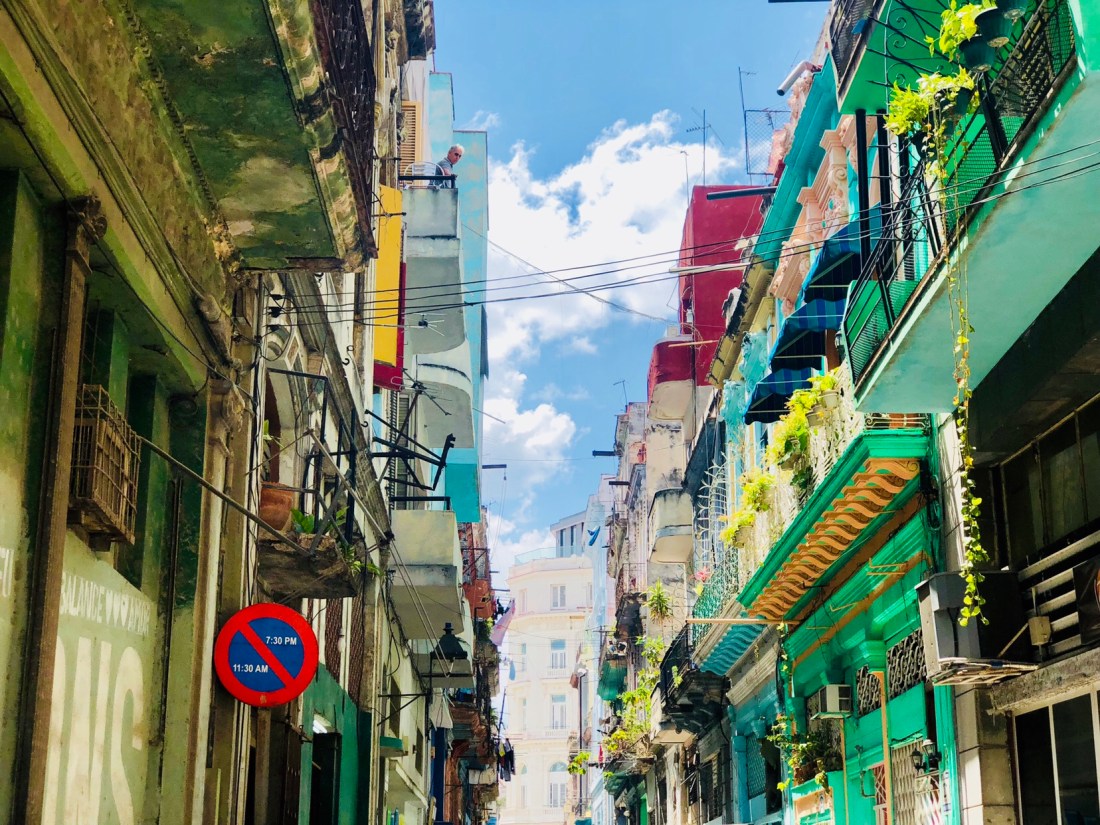
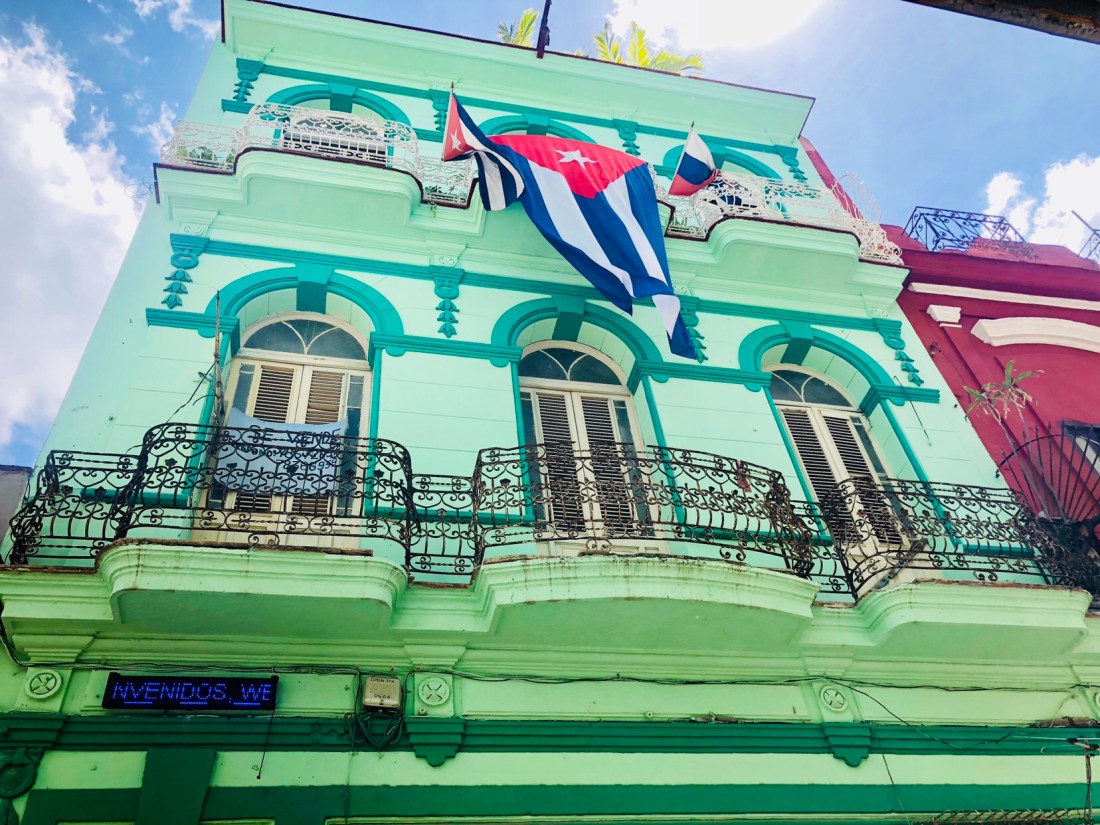
The Cuban people are extremely friendly; passionate and fiery, yes – they’re Latinos after all – but so many offer home stays where you can be a genuine part of the family. The more people in the house, the merrier, seems to be a Cuban vision and it’s normal for many generations to live together in one house.
Some might even offer to cook for you or pick you up in a charming wreck of a veteran car that wouldn’t be allowed on the country-roads in Europe, but, in Cuba, this is culture. For us tourists, at least. Importing cars to Cuba is extremely expensive, with car prices not far off UK prices, but wages about 80% lower, which is why the Cubans repair their old cars as best as they can. It doesn’t help that the roads are very poorly maintained, with massive holes, even in the fast lane on the motorway. Be cautious if you rent a car, and do also be aware this could be very expensive in high season and it might be useful to pre-book – but don’t listen to the people who tell you not to drive in Cuba – just keep your eyes and ears open and follow the locals. Remember to use your horn if you reach a crossroad – there are very few signs!

What to eat in Cuba? What you can get.
And chicken. Lots and lots of chicken.
With rice, fried plantain, tomatoes and beans. Unlike what you might think, Cuban food is very far from spicy. Spices are expensive, and the food is made, and supposed to be, plain. That is how the Cubans like it. Make sure you get the whole roast chicken and not the fillets, if you can even find them. They are pumped full of water!
If you visit the local areas, like San Miguel where we visited, it is completely normal for a pig to play with the dogs in the street one day, and then being roasted on a coal BBQ the next time you visit…
Don’t be fooled by the corn on the cob; this is animal food, and taste almost “floury” when cooked.
I got some of the best food in a local street stall in a residential area! Be cautious, but never listen to the books telling you to avoid street food; my friend got food poisoning in the poshest restaurant we visited.

For breakfast, the Cubans have hard boiled eggs – ideally from the chickens in the shed – white bread and coffee boiled on the hob. And pineapple. I should write a separate chapter on pineapple. Local merchants sell pineapple everywhere, and it is grown in many a back garden. Along with the coconuts, we get two of Cuba’s best known ingredients, and combined they make one of my favourite cocktails: The Pîna Côlada!
This is Cuba’s National cocktail and most places, it’s cheaper than water. Get it in a coconut at one of the local beaches.
(Maybe with more chicken?)
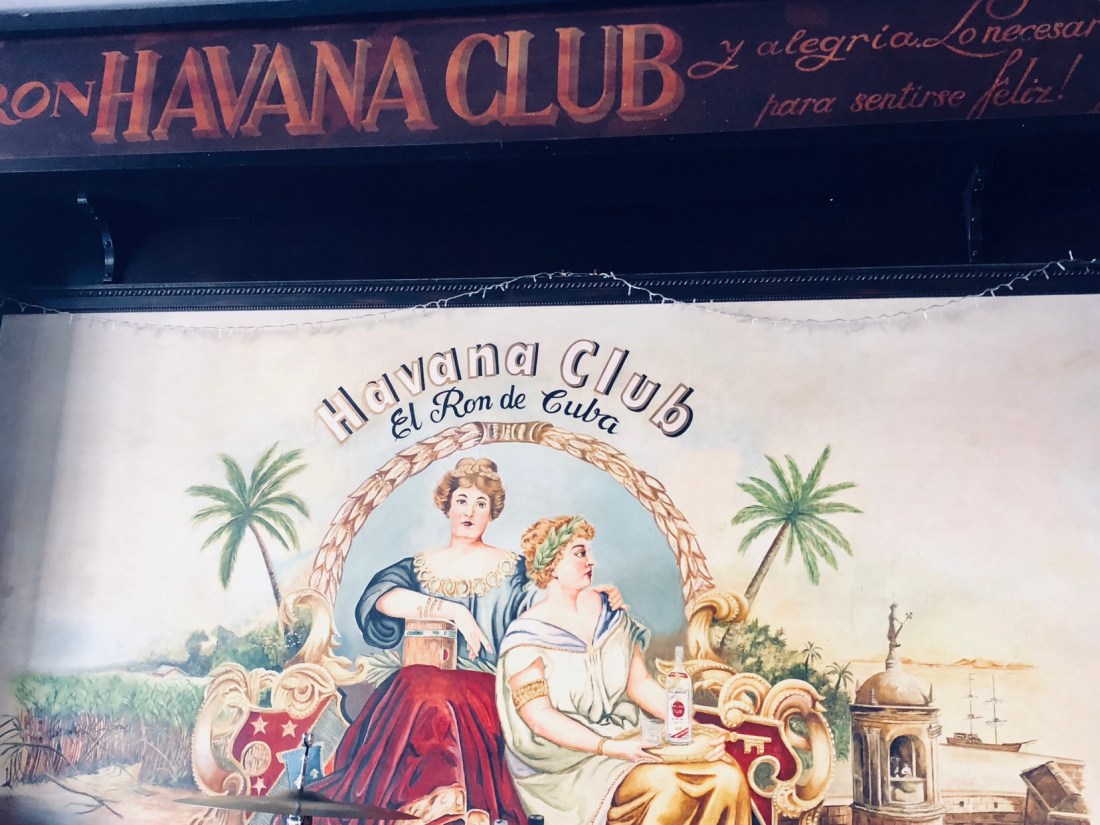
The local Havana Club rum is most commonly used, and it is really cheap to buy! Pay a visit to the Havana Club museum in downtown Havana. The 7 year dark rum Especial is my personal favourite.
Rum plantations are common, though most of them are on the South East coast of Cuba, in the hills over Santiago – an area that is not as accessible for tourists as it is a long drive. You can get a local flight there, but Cubana Airways are not known as the safest airline in the world.
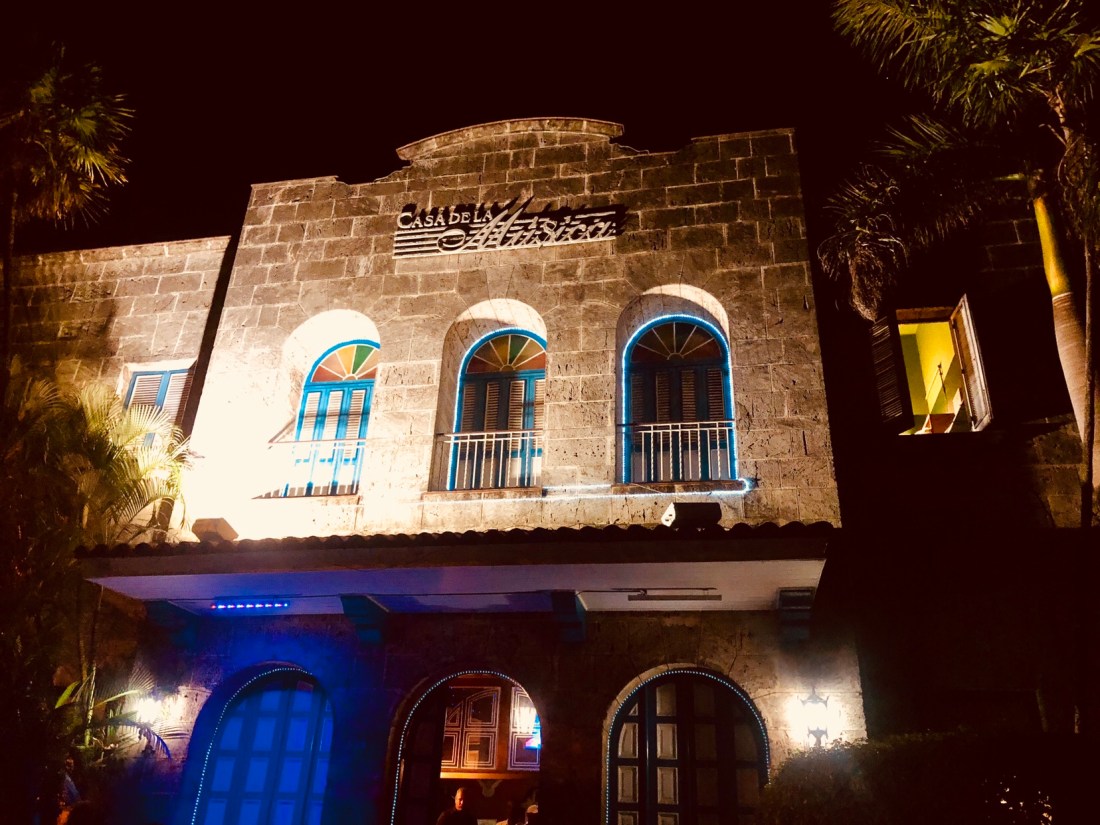
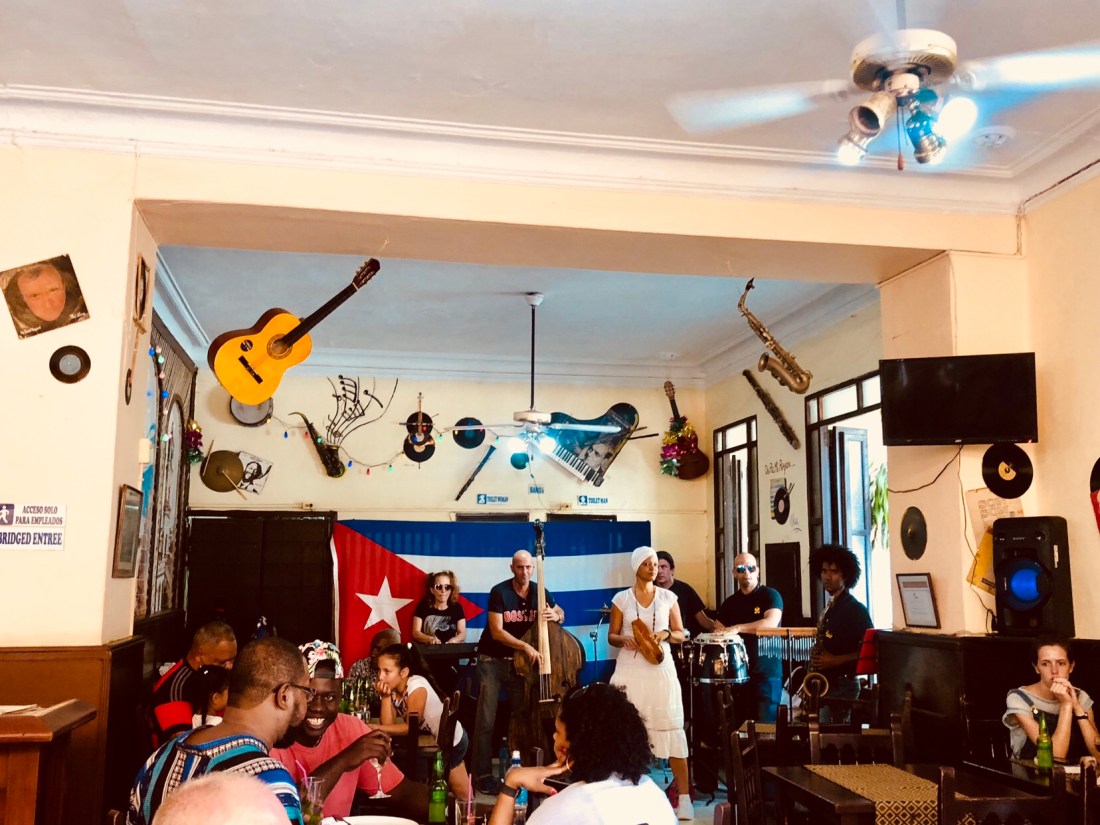
You need to go salsa dancing when in Cuba. The Cubans dance salsa everywhere, even on the beach. We had a great time at Casa la Musica in the posher area of Miramar in Havana, but make sure you go on a local night! On a local night the atmosphere is super lively, hot and authentic and the drinks are extremely cheap. The tourist nights, however, are expensive and completely different.
Most of the Cubans we met were polite and asking for a dance. There is very little violence, but do guard your things like a hawk.
Make sure you get pizza in a newspaper from the little underground garage next to Casa La Musica on your way home! And talking about going home; make sure your taxi have doors that can be opened from the inside…
Remember that the Cubans pay in the local currency Cuban Peso (CUP) which is worth a lot less than the Cuban Convertible (CUC). Make sure you get the right change back!

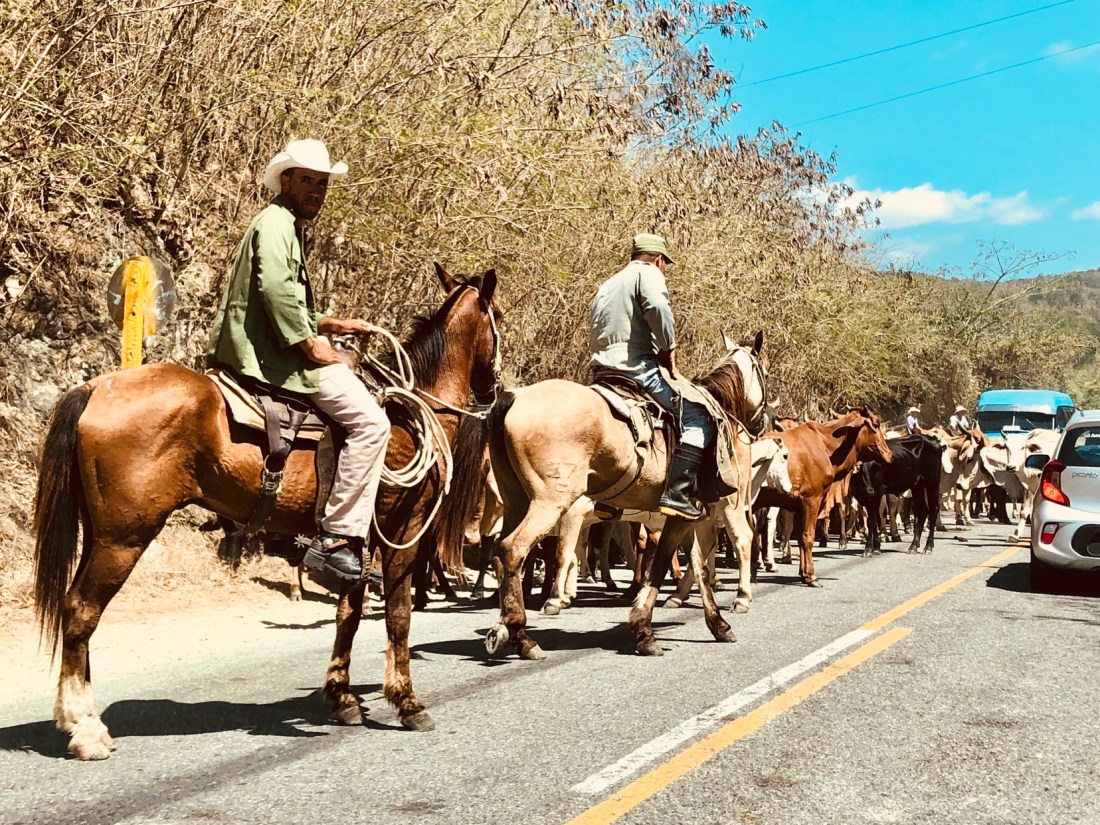
From Havana, you can easily drive to other areas of Cuba.
Varadero, the beach resort town, is 3 hours away and you can also get an express bus there.
We instead decided to drive to Trinidad, on the South Coast, a wonderful little town that is on the UNESCO heritage list.
Because you’re warned not to drive in the darkness, most places will tell you not to do this as a day trip, but we did, and it is completely do-able – just be aware of the crabs in the roads. I’m not even kidding; hundreds come out in the darkness to lay their eggs and it is like a video game trying to avoid them.
If you do want to stay in Trinidad overnight, there are plenty of guest houses and local families offering rooms – so you won’t ever be stuck. There are also some lovely hotels along the beach on the peninsula nearby.

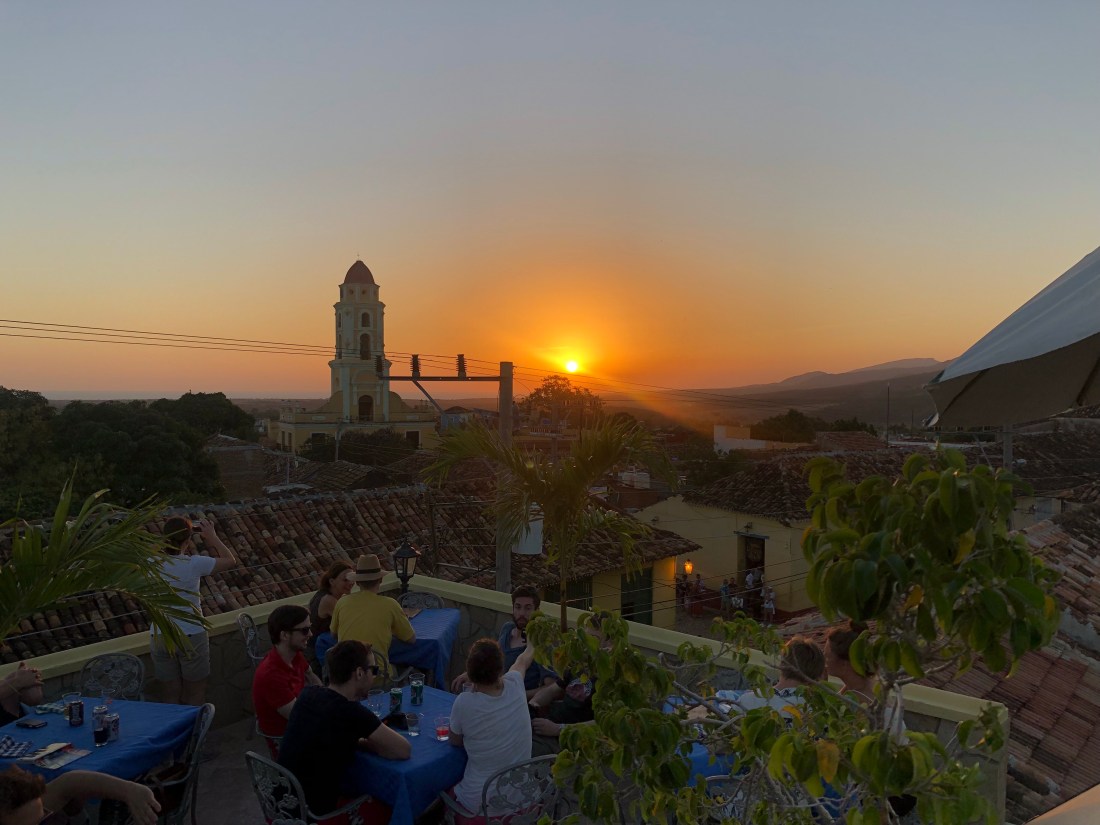
Trinidad is very picturesque and colourful with narrow streets and small shops selling local items. However, there are a lot of tourists and therefore, prices are more expensive.
The sunset from one of the balconies at the top of the town are stunning, and most of the restaurants have local live music in the afternoons, though food in these places are not amazing.
I’d like to emphasise again that you really shouldn’t go to Cuba to be in an all inclusive resort – but there are plenty of beaches just a 20 minutes drive from Havana, though they might be windy in spring time. We liked the local beach Playa Coco as it is more secluded and there are barely any tourists.
USA have now opened up flights to Cuba, and the cheapest way to fly is with Norwegian from London or Oslo to Fort Lauderdale and then from Miami to Havana with Jet Blue.
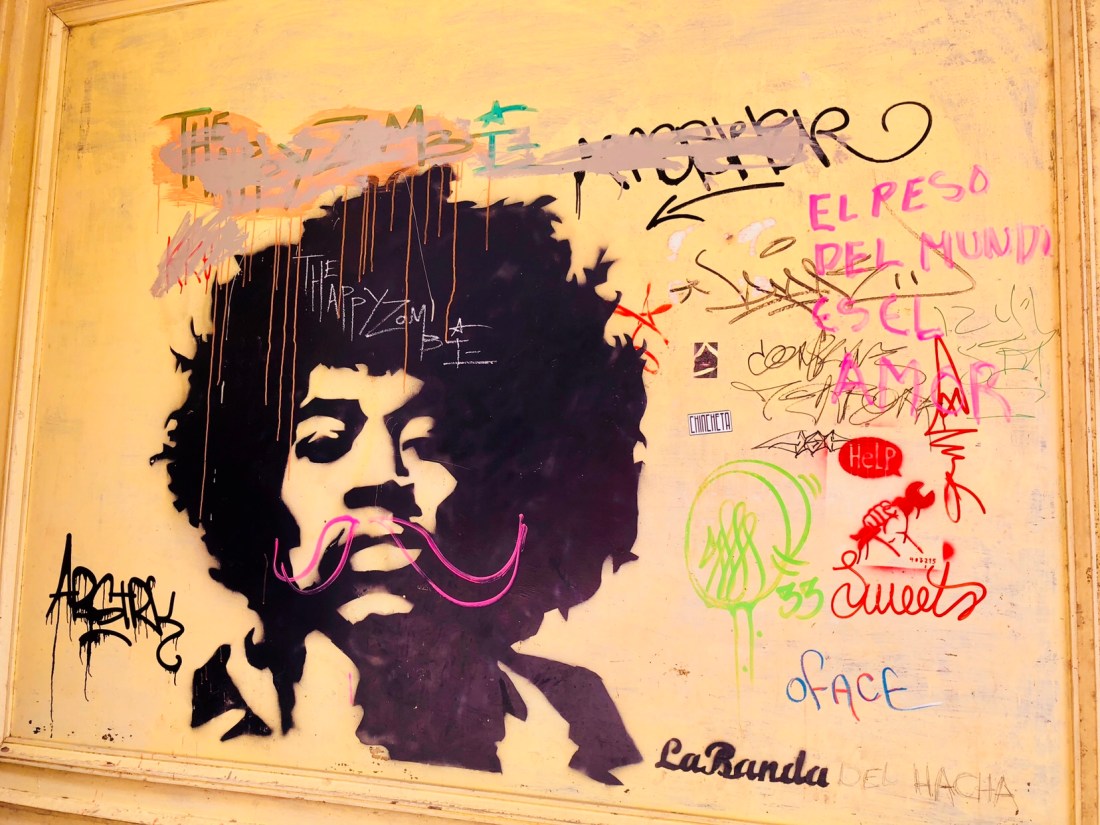
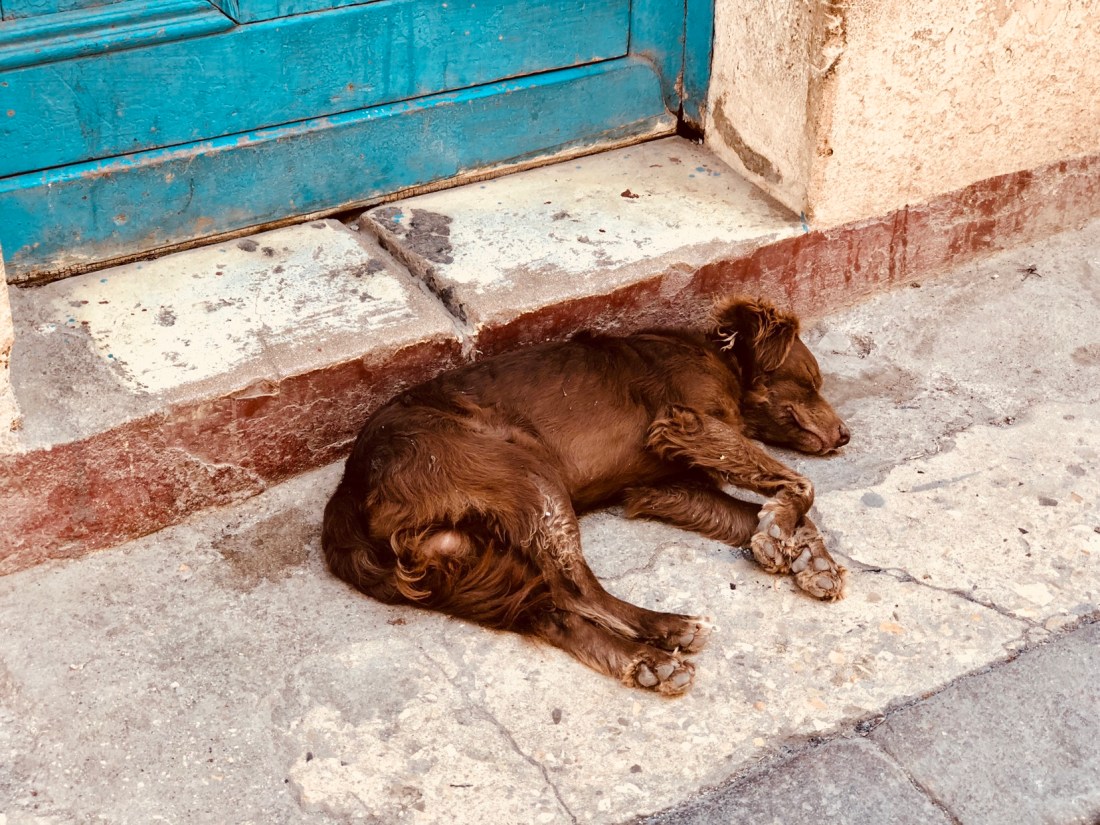
Cuba is truly a unique experience. Learn a bit of Spanish before you go – no one speaks English, switch off your phone and just take in the chill vibes of the authentic Cuba Libre.

 Scandi Gourmet Girl